
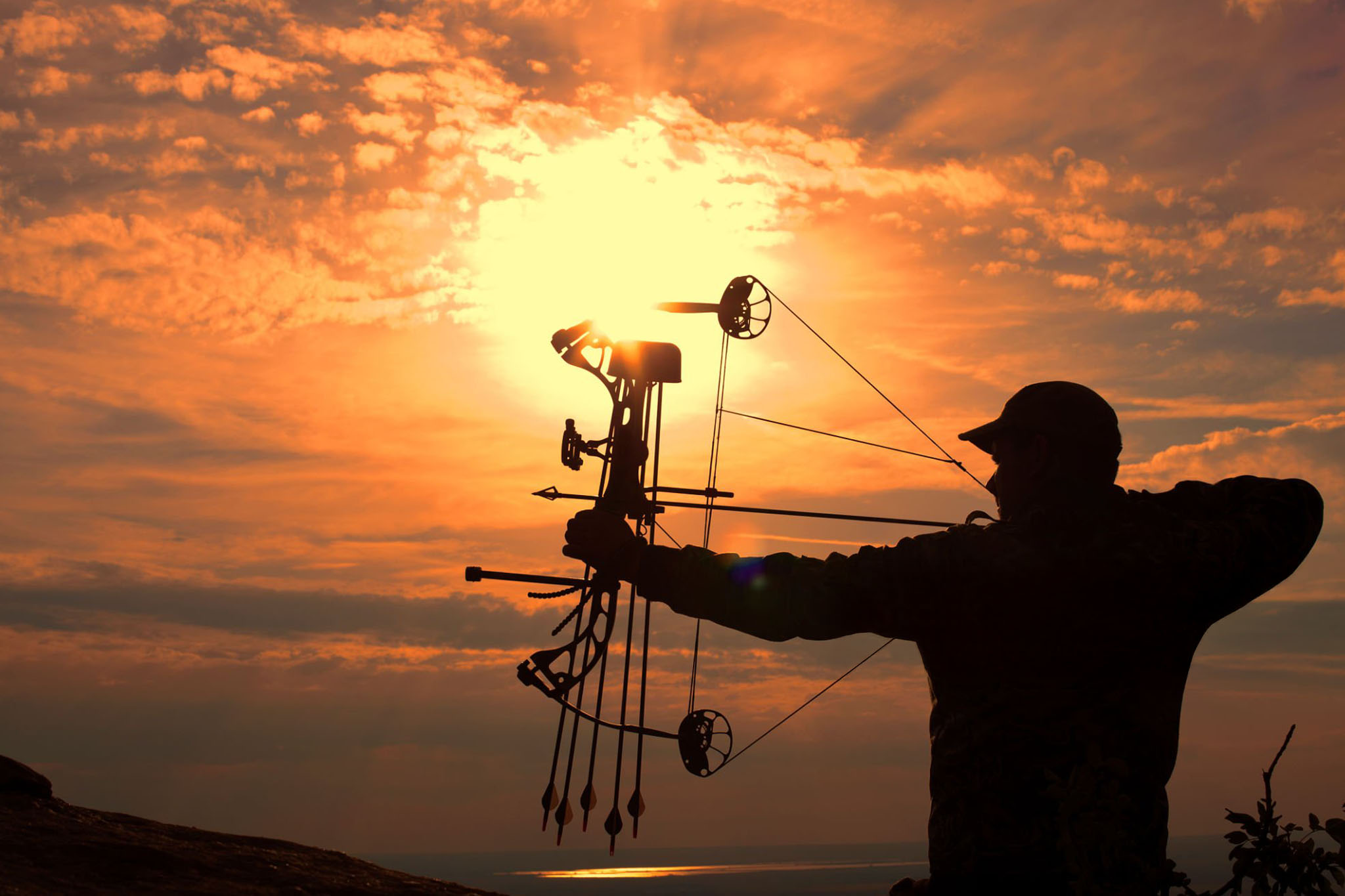
When bow season kicks off in early fall, many hunters face the same question: Which broadhead should I use? The broadhead you screw onto your arrow isn’t just a piece of gear—it’s the business end of your hunt, the deciding factor between a clean kill and a missed opportunity.
Choosing the right broadhead for early season hunts requires balancing penetration, cutting diameter, flight accuracy, and game conditions. Let’s break down the basics so you can step into the woods this September with confidence.
The Three Main Types of Broadheads
1. Fixed-Blade Broadheads
These are the traditional choice—solid, durable, and dependable.
- Pros:
- Consistent performance in all weather.
- Strong construction ideal for bone-breaking penetration.
- No moving parts to fail.
- Cons:
- Can be harder to tune for perfect arrow flight.
- Larger fixed heads may plane in the wind.
- Best For: Hunters who want reliability in thick cover or when targeting big-bodied deer.
2. Mechanical (Expandable) Broadheads
These heads deploy blades on impact, creating massive wound channels.
- Pros:
- Field-point-like flight—great accuracy even at longer ranges.
- Wide cutting diameter for heavy blood trails.
- Cons:
- Potential failure to deploy if brush or bone is hit first.
- Less penetration compared to fixed blades, especially on heavy-boned animals.
- Best For: Open fields and early season hunts when shots may be longer and angles clearer.
3. Hybrid Broadheads
A blend of fixed and mechanical, hybrids have a small fixed blade with expanding blades behind it.
- Pros:
- Offers reliable penetration with added cutting surface.
- Back-up fixed blades ensure a kill even if mechanicals don’t open fully.
- Cons:
- Can be more expensive.
- Slightly heavier and more complex.
- Best For: Hunters who want the security of fixed with the cutting power of mechanical.
Factors to Consider for Early Season
1. Game Behavior and Shot Angles
In September, deer are still in summer feeding patterns. You may be taking shots at feeding edges or trails with more quartering angles. A broadhead with solid penetration (fixed or hybrid) ensures success even on less-than-ideal angles.
2. Temperature and Meat Care
Warm weather means you’ll want quick, clean kills to recover deer fast. Mechanical broadheads with larger cutting diameters can provide heavy blood trails, speeding recovery before heat spoils the meat.
3. Arrow Speed and Bow Setup
- High-speed bows (IBO 320+ fps): Mechanical or hybrid broadheads tend to fly straighter.
- Moderate to low draw weight setups: Fixed blades often provide better penetration.
4. State Regulations
Some states restrict mechanical broadheads. Always double-check local regulations before heading into the woods.
Tips for Choosing and Using Broadheads
- Match Weight: Use the same grain weight (100, 125, etc.) as your field points for consistent flight.
- Spin Test: Check every arrow on a spinner to ensure your broadheads align perfectly. Wobble equals poor accuracy.
- Practice With Broadhead Targets: Don’t assume they’ll fly like your field points—confirm your zero before the season.
- Keep Them Razor Sharp: Broadheads dull easily. Always check edges and replace or sharpen before a hunt.
- Carry Extras: Blades can bend or break after a pass-through. Always have spares in your pack.
Common Mistakes Hunters Make
- Picking Broadheads by Hype Alone: Just because your buddy swears by a certain head doesn’t mean it fits your setup.
- Skipping Tuning: An untuned bow will make even the best broadhead fly poorly.
- Going Too Big: A 2.5-inch cut sounds deadly, but if your setup lacks kinetic energy, penetration suffers.
Final Thoughts
Broadheads aren’t one-size-fits-all. For early season hunts, your choice depends on your bow, your hunting environment, and your priorities. If reliability is your top concern, go with a fixed blade. If accuracy and wide cuts matter most in open country, mechanicals may be your best bet. And if you want the best of both worlds, hybrids are worth the investment.
This fall, don’t just screw on any broadhead and hope for the best. Take time to match your gear, practice with purpose, and walk into the woods knowing your setup is built for success.
The right broadhead doesn’t just help you make the shot—it helps you make it count.
