
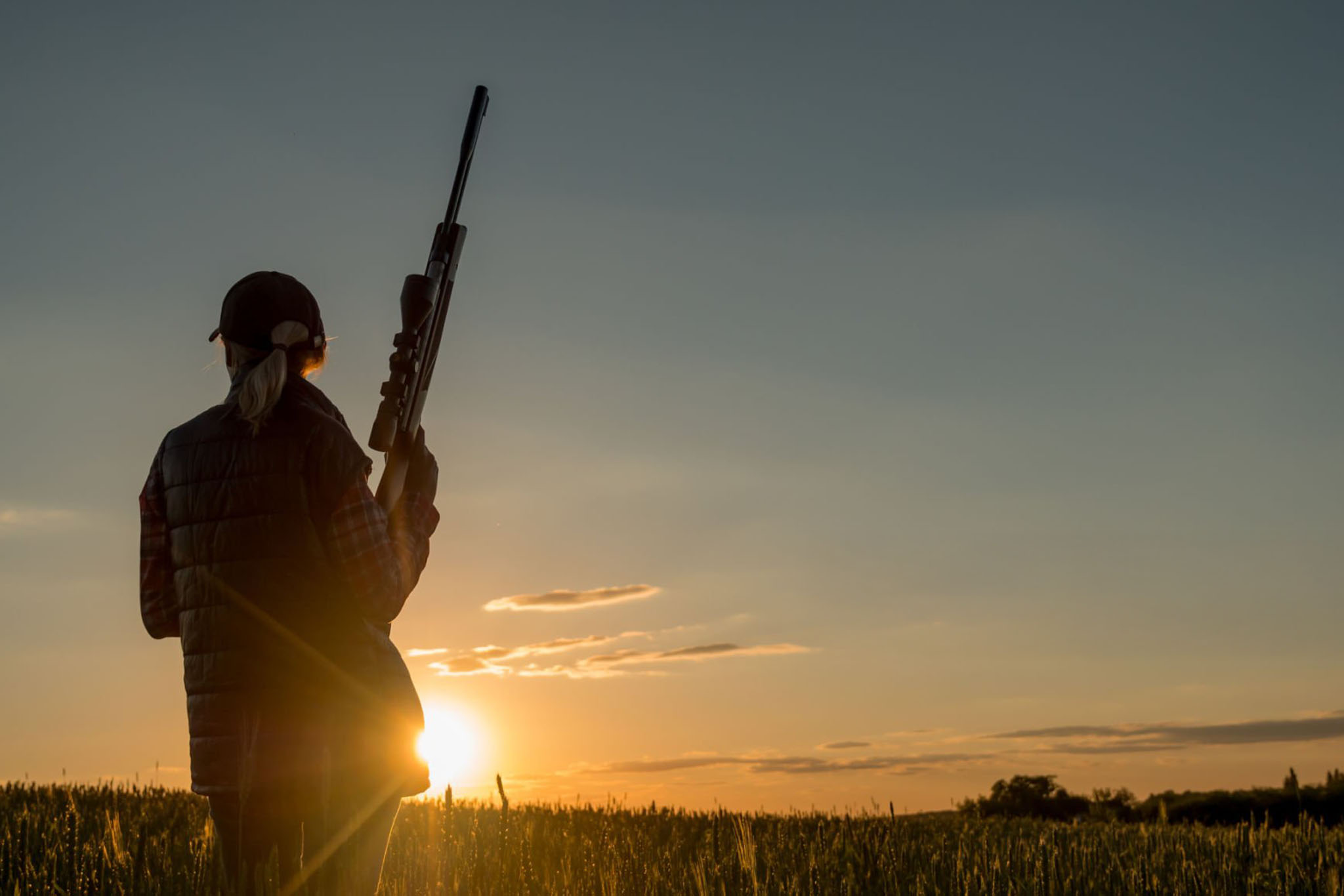
Every hunter knows the thrill of spotting a whitetail slipping silently through the timber. But if you’re only focusing deep in the woods or way out in the open fields, you might be missing the action. In late summer and early fall, edge habitat—the transition zones where two types of cover meet—is where deer activity often peaks.
Understanding why deer love these borders, and how to hunt them effectively, can dramatically improve your success rate this season.
What Is Edge Habitat?
Edge habitat is any zone where two different ecosystems meet. Common examples include:
- The border where a crop field meets a timberline.
- Brushy thickets transitioning into open pasture.
- Creek bottoms cutting through hardwood ridges.
- Overgrown logging cuts meeting mature forest.
These areas are natural funnels for wildlife activity. They provide food, cover, and safe travel corridors—all in one place. For deer, that’s the ideal combination.
Why Deer Gravitate to Edges
- Food Diversity
Deer are browsers, constantly seeking variety in their diet. Along edges, they can feed on crops, acorns, browse, and new growth without traveling far. A whitetail can step out of cover to nibble soybeans, then retreat into thick timber for safety in just a few strides. - Safety and Cover
Edges give deer the best of both worlds: visibility to monitor danger and quick escape routes into cover. Bucks especially use edge habitat during daylight when they’re cautious but still need to move. - Travel Corridors
Deer often follow natural transition lines as they move between bedding and feeding areas. A brushy fence row or hedgerow is like a highway for deer, guiding them through the landscape. - Early Fall Behavior
This time of year, bucks are still in bachelor groups, feeding heavily before the rut. Edges allow them to feed undisturbed while staying close to cover. As crops are harvested, deer concentrate even more on remaining edge cover.
How to Hunt Edge Habitat Successfully
1. Scout the Sign
Walk edges looking for trails, fresh tracks, droppings, and rubs. Pay attention to where deer enter and exit fields, especially corners and low spots.
2. Use Trail Cameras Strategically
Set cameras along edges facing both directions. This not only reveals deer movement times but also shows which side they prefer for entering or leaving cover.
3. Play the Wind
Edges can be tricky for scent control since air currents swirl where habitats meet. Always set up with the wind in your face and anticipate thermals during evening hunts.
4. Timing Matters
- Evenings: Deer often move out of cover into fields along edges to feed.
- Mornings: They typically return to bedding areas, hugging edge lines for safety.
- Midday: Bucks may stage in shaded edge thickets before moving again.
5. Stand Placement
Position your stand or blind 20–30 yards inside the cover, just off the edge. This keeps you concealed while giving you shooting lanes toward both the field and the timber.
6. Stay Mobile
Edges shift as food sources change. When corn or beans are harvested, deer movement patterns adapt quickly. Be ready to adjust stands or blinds to stay on active travel routes.
Mistakes to Avoid
- Hunting Too Close Too Soon: Over-pressuring an edge with frequent sits can push deer away.
- Ignoring Access Routes: If your entry and exit paths cross feeding areas, deer will know you’re there before you even sit down.
- Overlooking Small Edges: Even narrow strips of brush, fencerows, or old logging roads can hold deer.
Final Thoughts
Hunting edge habitat is about reading the landscape the way deer do. Borders offer food, cover, and security, making them a magnet for whitetails during late summer and early fall. By scouting carefully, respecting wind direction, and adapting to changing food sources, you’ll put yourself in the perfect spot when that buck steps out of the timber.
The edge isn’t just where two habitats meet—it’s where your opportunity begins.
