
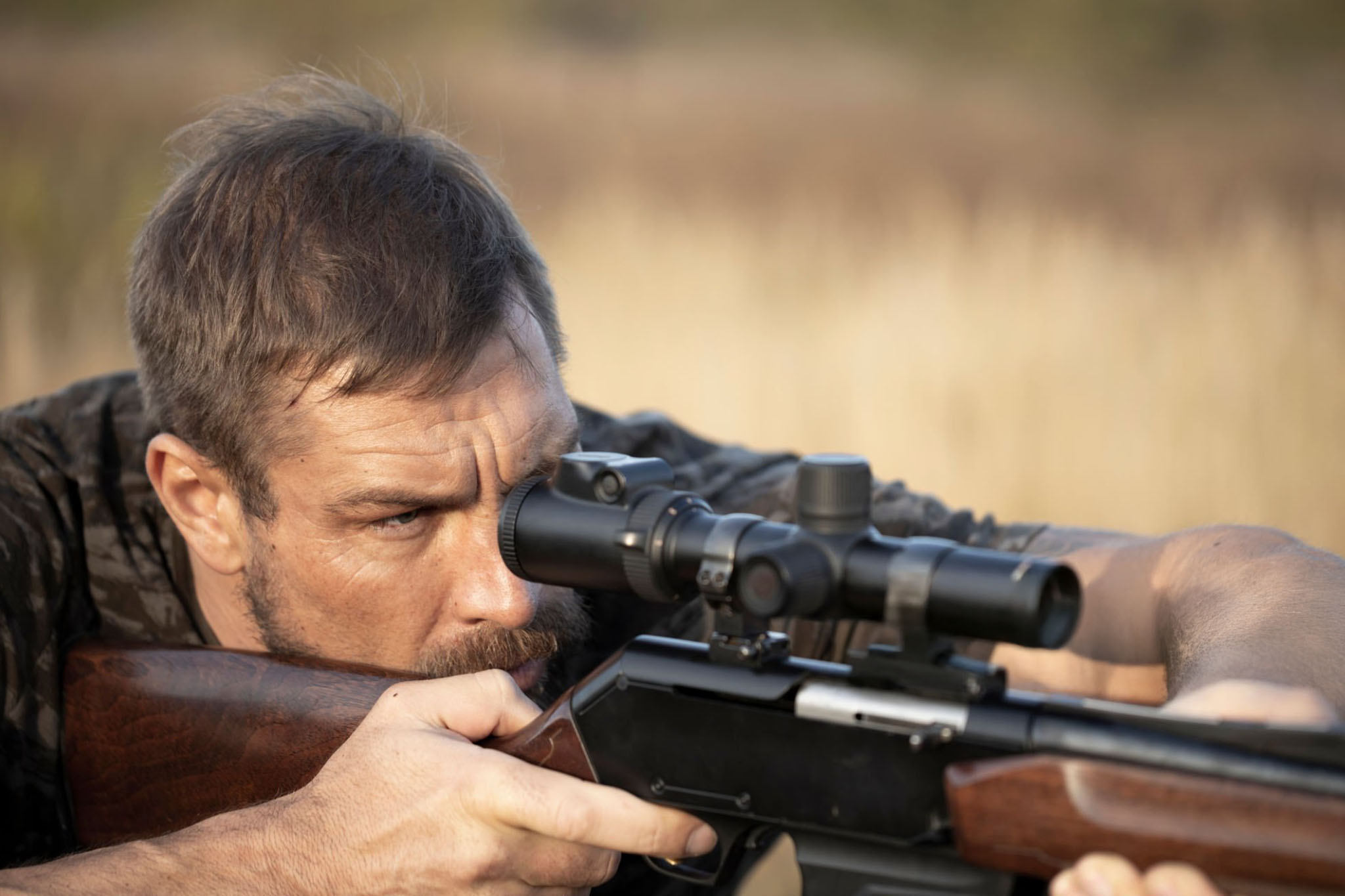
For hunters, confidence behind the trigger is just as important as finding the right stand or tracking game trails. Too many hunters dust off their rifles or bows only a week before the opener and then wonder why their shots miss the mark. The truth is, accuracy is built in the off-season—through consistent, practical drills that translate directly into field performance.
Whether you’re carrying a bow, shotgun, or rifle this fall, here are proven off-season shooting drills that will help you sharpen accuracy, build muscle memory, and step into the woods with total confidence.
Why Off-Season Practice Matters
- Muscle Memory: The more natural your draw, aim, or trigger pull feels, the steadier you’ll be when adrenaline spikes.
- Mental Confidence: Knowing you’ve put in the reps reduces buck fever and shaky hands.
- Equipment Familiarity: Off-season practice exposes loose screws, faulty optics, or form issues well before season.
- Ethical Shots: Practicing means fewer wounded animals and more clean, ethical harvests.
Drill 1: Dry Fire Practice
Dry firing is one of the simplest yet most effective accuracy drills.
- For Rifle/Shotgun: Practice mounting the gun smoothly, aligning sights, and pulling the trigger without disturbing the sight picture.
- For Archery: Use a release aid and go through your full draw cycle, anchoring, and “shooting” without releasing an arrow.
💡 Tip: Focus on a smooth trigger pull or release. Watch your sights—they should stay steady, not jerk when you fire.
Drill 2: The “First Shot” Test
In the field, your first shot is often your only shot. Replicate that scenario.
- Set your rifle or bow down for several minutes.
- Walk up, pick it up, and aim immediately at your target.
- Fire (or dry fire) without “warming up.”
This drill mimics real-world hunting situations where your shot opportunity comes unexpectedly.
Drill 3: Shooting from Hunting Positions
Rarely in the woods do you get a perfect bench rest. Practice from realistic stances:
- Kneeling behind brush or cover.
- Seated as if on a tree stand platform.
- Off-hand standing for quick, close-range shots.
- Using shooting sticks or bipods to steady your aim.
This variety prepares you for the awkward positions you’ll face when a deer walks in off-angle.
Drill 4: Breathing and Shot Control
Your breathing has a direct impact on accuracy. Try this:
- Take a deep breath.
- Exhale slowly.
- At the natural pause at the bottom of your breath, fire your shot.
Archers should focus on relaxing their chest and shoulders during release. Hunters with firearms should avoid yanking the trigger under stress.
Drill 5: Timed Follow-Up Shots
Sometimes that first shot doesn’t drop the animal. Practice safe, quick follow-ups.
- For rifles, practice working the bolt or lever smoothly and reacquiring the target.
- For bows, practice quickly nocking a second arrow and regaining anchor.
Use a timer app or buddy to call out a time limit—forcing you to blend speed with accuracy.
Drill 6: Low-Light Practice
Deer and other game often move at dawn and dusk. If your local range allows, practice during low-light hours. Focus on:
- Sight visibility (do you need a new reticle or fiber optic pin?).
- Target identification under dim conditions.
- Safe shooting habits when visibility is reduced.
Drill 7: Strength and Stability Workouts
Shooting isn’t just about the trigger—it’s also about endurance and stability. Incorporate:
- Planks and core exercises for steady posture.
- Resistance bands to mimic bow draw strength.
- Shoulder workouts to reduce fatigue during long holds.
A stronger body means a steadier shot in the stand.
Bonus: Record and Review
Set up your phone to record your shooting sessions. Watching playback often reveals flinching, poor posture, or grip issues you didn’t notice in the moment. Small corrections here translate to big improvements in the field.
Final Thoughts
Off-season shooting drills aren’t just about hitting bullseyes at the range—they’re about building total shooting confidence before the first deer steps into range. By practicing dry fire, first-shot drills, realistic positions, and follow-ups, you’ll be better prepared when the pressure is on.
Remember: a hunter’s responsibility is not just to make the shot, but to make it clean and ethical. That responsibility starts now, long before opening day.
So grab your bow or rifle, head to the range, and start sharpening your edge—you’ll thank yourself when that once-in-a-lifetime buck gives you a shot this fall.
