
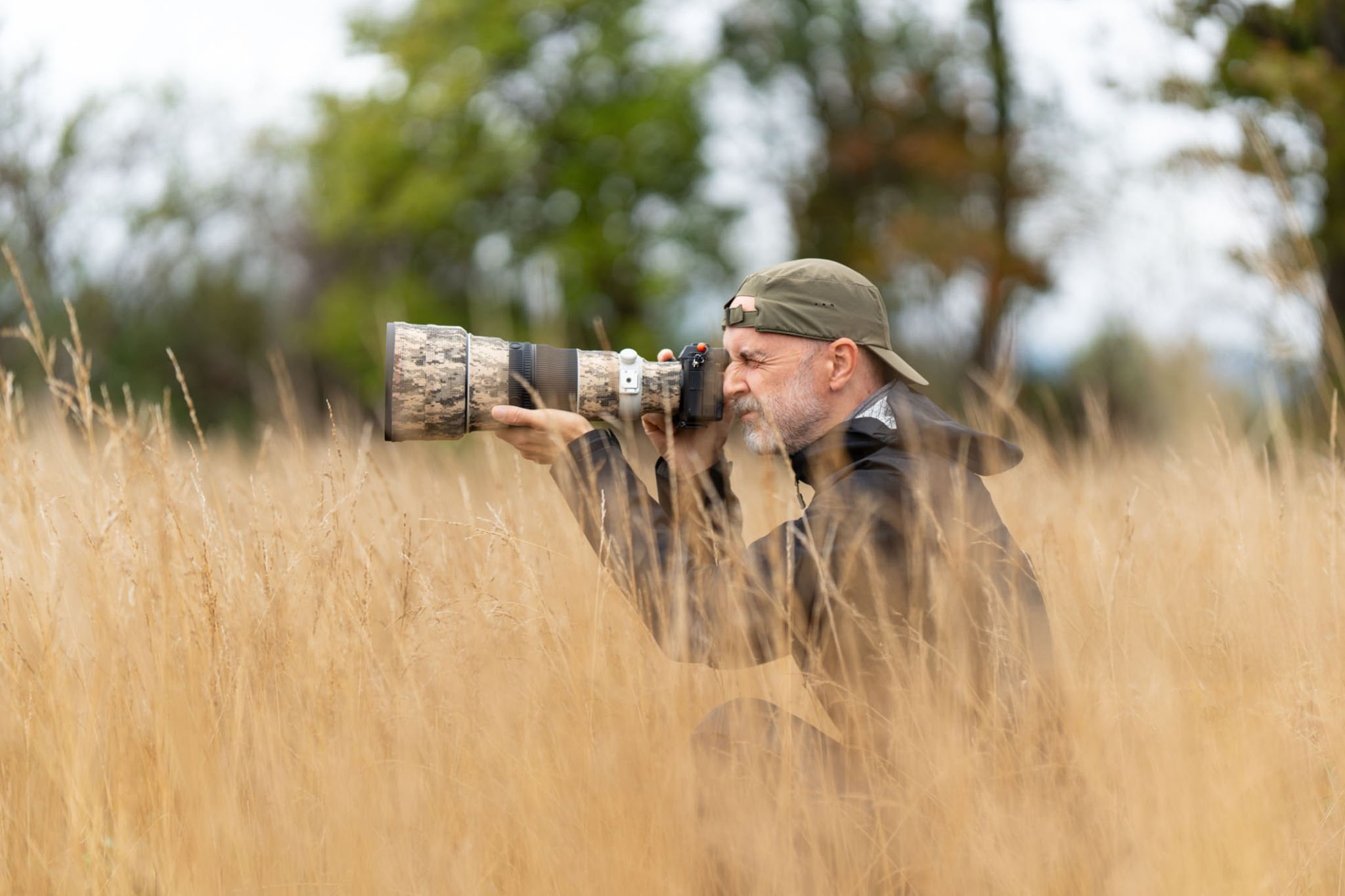
Every hunter dreams of the rut—the magical time when bucks throw caution to the wind in pursuit of does. But the truth is, many of the best opportunities come before the rut even begins. Early season hunting is all about understanding predictable deer movement patterns and setting up on whitetails while they’re still in their late-summer routines.
Here’s how to read the sign, track early deer behavior, and position yourself for success before the chaos of the rut kicks in.
Why Early Deer Patterns Matter
During early fall, deer behavior is driven less by breeding urges and more by food, bedding, and security. Bucks haven’t yet gone nocturnal, and does are still moving in consistent daily patterns.
If you can identify these routines—especially travel corridors between feeding and bedding—you can put yourself in bow range of a mature buck before pressure shifts him into the shadows.
1. Focus on Food Sources
Food is the number-one driver of deer movement in September and early October.
- Ag fields: Soybeans, alfalfa, and corn are prime evening feeding areas. Deer often enter from the same trails night after night.
- Hard and soft mast: Acorns, persimmons, and apples can suddenly become irresistible once they drop.
- Food plots: Early planted clover, brassicas, or cereal grains provide predictable deer activity at dawn and dusk.
💡 Pro Tip: Glass fields from a distance in late summer evenings. Watching feeding patterns will tell you not just where deer are, but which direction they come from.
2. Bedding-to-Feeding Travel
Deer usually bed in thick cover during the day and move toward food in the evening. In the morning, the pattern reverses.
- Transition zones: Look for staging areas like brushy edges, overgrown fence lines, or small openings near bedding cover. Bucks often linger here before committing to open fields.
- Terrain funnels: Saddles, creek crossings, and narrow timber strips naturally direct deer movement.
- Prevailing winds: Deer almost always travel with the wind in their favor when heading to feed.
These patterns are highly consistent early in the season—perfect for ambush setups.
3. Trail Cameras: Your Best Scouting Tool
Trail cameras shine during the early season.
- Place cameras on field edges to capture feeding activity.
- Move cameras to travel corridors once you’ve patterned evening movement.
- Use time-lapse mode in big fields where trails are harder to pinpoint.
Just remember: minimize intrusion. The more you bump deer with human scent, the quicker they’ll shift to nighttime activity.
4. Weather and Temperature Shifts
Even before the rut, weather plays a huge role in deer movement.
- Cold fronts: A sudden drop in temperature often sparks increased daylight movement.
- Wind direction: Consistent winds make deer feel secure. Shifting winds can push them into new trails.
- Rain showers: A light rain can encourage deer to move earlier in the evening.
Monitoring local forecasts can give you an edge on when to be in the stand.
5. Hunting Strategy Before the Rut
- Evening hunts are best: Deer are more predictable heading to food in daylight.
- Morning hunts can be risky: Walking in before daylight may spook deer already returning to bedding.
- Be scent-smart: Use scent-control sprays and always hunt the wind. Early season deer are cautious, but they’re not yet run-ragged from breeding. One bad encounter can change a buck’s pattern.
- Go mobile: Lightweight stands or saddles let you adjust quickly if deer shift trails.
6. Signs to Watch For
Even before scrapes and rub lines explode in late October, you’ll still see early season sign.
- Tracks and trails: Fresh hoofprints in soft soil show regular travel routes.
- Droppings: Heavy concentrations near mast trees or feeding fields confirm feeding activity.
- Early rubs: Bucks shed velvet in September, leaving rubs that mark travel corridors.
Learning to read and interpret this sign is just as important as running cameras.
Common Mistakes to Avoid
- Overhunting a stand: Deer quickly pattern hunters. Rotate stand sites to keep pressure low.
- Ignoring access routes: If deer see or smell you on the way in, the hunt is over before it starts.
- Waiting for the rut: Many hunters miss out on the best shot at a mature buck by assuming action only comes later in the season.
Final Thoughts
Tracking early deer patterns is about discipline, patience, and observation. Bucks may not be chasing does yet, but they’re moving with consistency that you can exploit. By focusing on food-to-bedding travel, leveraging trail cameras, and hunting smart around weather and wind, you can tag a buck before the rut even begins.
Remember: the rut is exciting, but the early season often gives you the most predictable and huntable deer movement of the year.
