
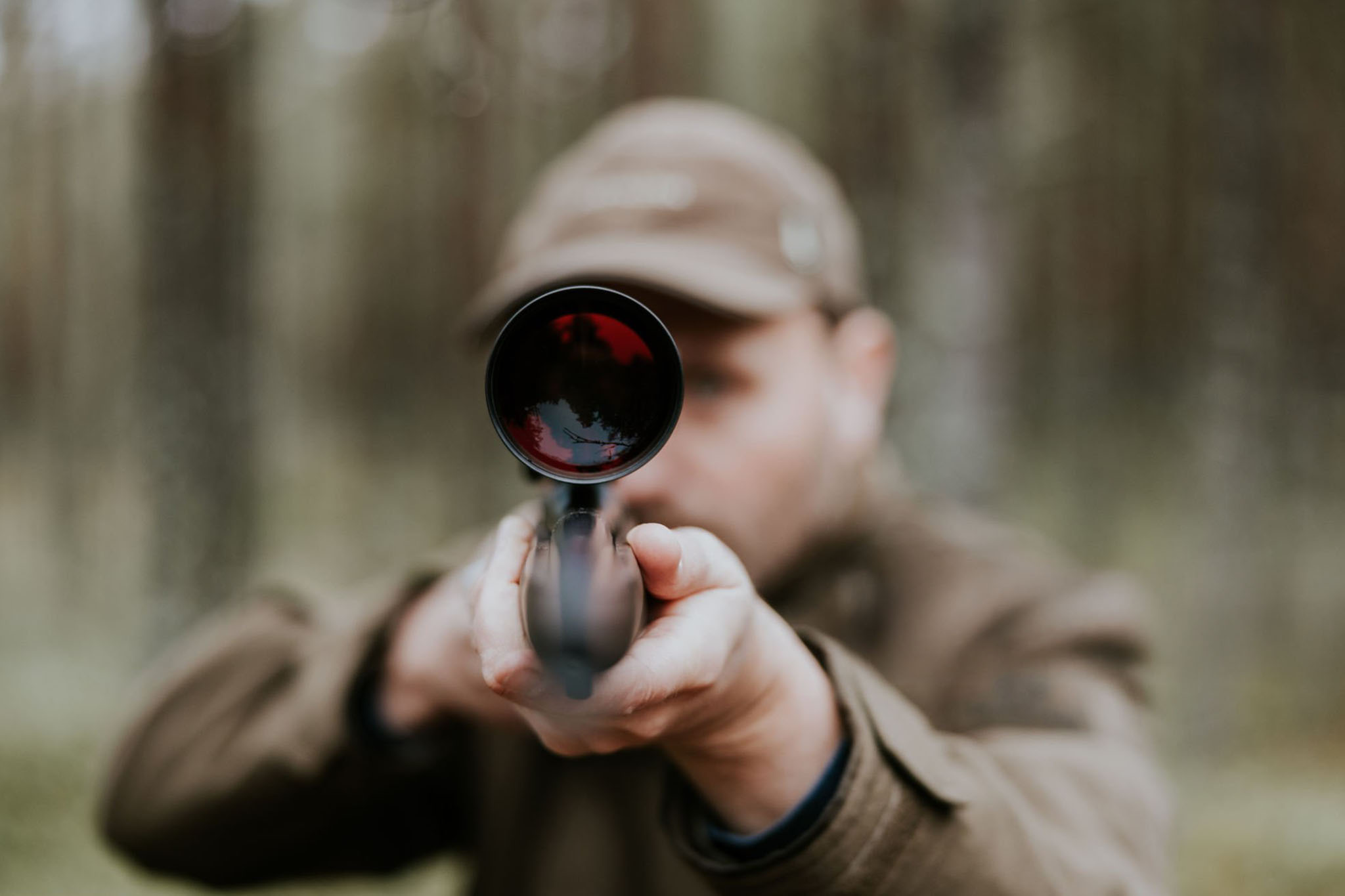
When it comes to hunting, accuracy isn’t just about hitting the target—it’s about making ethical, effective shots that result in clean harvests. As fall approaches, pre-season is the time to sharpen your shooting skills, rebuild muscle memory, and ensure confidence when the moment of truth arrives.
Practicing only at the range from a benchrest won’t prepare you for real-world hunting scenarios. Instead, focus on practical shooting drills that mimic field conditions. Here’s a guide to the most effective pre-season shooting exercises to help you close the distance with confidence this fall.
Why Pre-Season Drills Matter
- Muscle memory: Regular practice helps your body move smoothly under pressure.
- Confidence: Knowing you’ve practiced realistic situations reduces buck fever.
- Consistency: Good drills reveal flaws in form, breathing, and follow-through before season starts.
- Preparedness: Field shooting rarely offers perfect conditions—you’ll need to adapt quickly.
Drill 1: The Cold-Bore Shot
In hunting, your first shot is often your only shot. Practicing cold-bore shots simulates this high-pressure scenario.
- How to do it: Start each practice session with a single shot at a hunting distance without warm-up.
- Focus: Accuracy over volume. Keep track of where your first shots land to understand how your rifle or bow performs cold.
Drill 2: Position Transitions
Rarely will you have the luxury of a benchrest in the woods. Practice shooting from multiple field positions.
- Positions to cycle through: Standing, kneeling, sitting, and prone.
- Variation: Use a backpack, shooting sticks, or a tree for improvised rests.
- Goal: Get comfortable acquiring a target quickly from each position.
Drill 3: Timed Shooting
Hunting often demands fast, decisive action. Training under time pressure prepares you for fleeting shot opportunities.
- How to do it:
- Start with your firearm or bow in a safe, ready position.
- Use a shot timer or phone stopwatch.
- Practice bringing the weapon up, acquiring the target, and taking a clean shot within a set time.
- Tip: Emphasize accuracy first, then gradually increase speed.
Drill 4: Elevated and Angled Shots
Tree stands and mountain terrain require shooting at steep angles. Practicing flat-range shots alone won’t cut it.
- How to do it:
- Use a safe elevated platform (tree stand, deck, or hill).
- Practice both downward and upward angles.
- Adjust aim point to account for true horizontal distance rather than line-of-sight.
This drill is especially important for bowhunters who face steep angle shots from stands.
Drill 5: Follow-Up Shots
Even with good accuracy, sometimes a quick follow-up shot is necessary. Smooth reloading and reacquiring the target can make all the difference.
- How to do it:
- After your first shot, cycle your action or nock another arrow quickly.
- Stay locked on the target, focusing on speed with control.
- Practice until it feels natural, not forced.
Drill 6: Breathing and Trigger Control
Fine accuracy often comes down to how you breathe and break the shot.
- How to do it:
- Aim, then exhale slowly.
- Pause briefly at the bottom of your breath and squeeze the trigger (or release) smoothly.
- Avoid jerking or rushing the shot.
This drill is simple but builds consistency and steadiness.
Drill 7: Shooting in Hunting Gear
Don’t wait until opening morning to realize your bulky jacket or harness affects your form.
- How to do it: Practice while wearing the same clothing and gear you’ll use in the field.
- Include accessories: Backpack, gloves, and safety harness if using a stand.
- Goal: Ensure nothing interferes with a clean, comfortable shot.
Bonus: Mental Rehearsal
Visualization is a powerful pre-season drill. Picture yourself in real hunting scenarios—spotting a deer, shouldering your rifle, controlling your breathing, and executing a clean shot. Athletes use visualization to improve performance, and hunters can too.
Final Thoughts
Pre-season shooting drills bridge the gap between the range and the field. By practicing cold-bore shots, field positions, timed shooting, angled shots, and gear-specific scenarios, you’ll enter the season with more confidence and better accuracy.
Remember: it’s not about shooting the most rounds—it’s about practicing with purpose. The more realistic your drills, the more prepared you’ll be when that critical moment arrives in the woods.
