
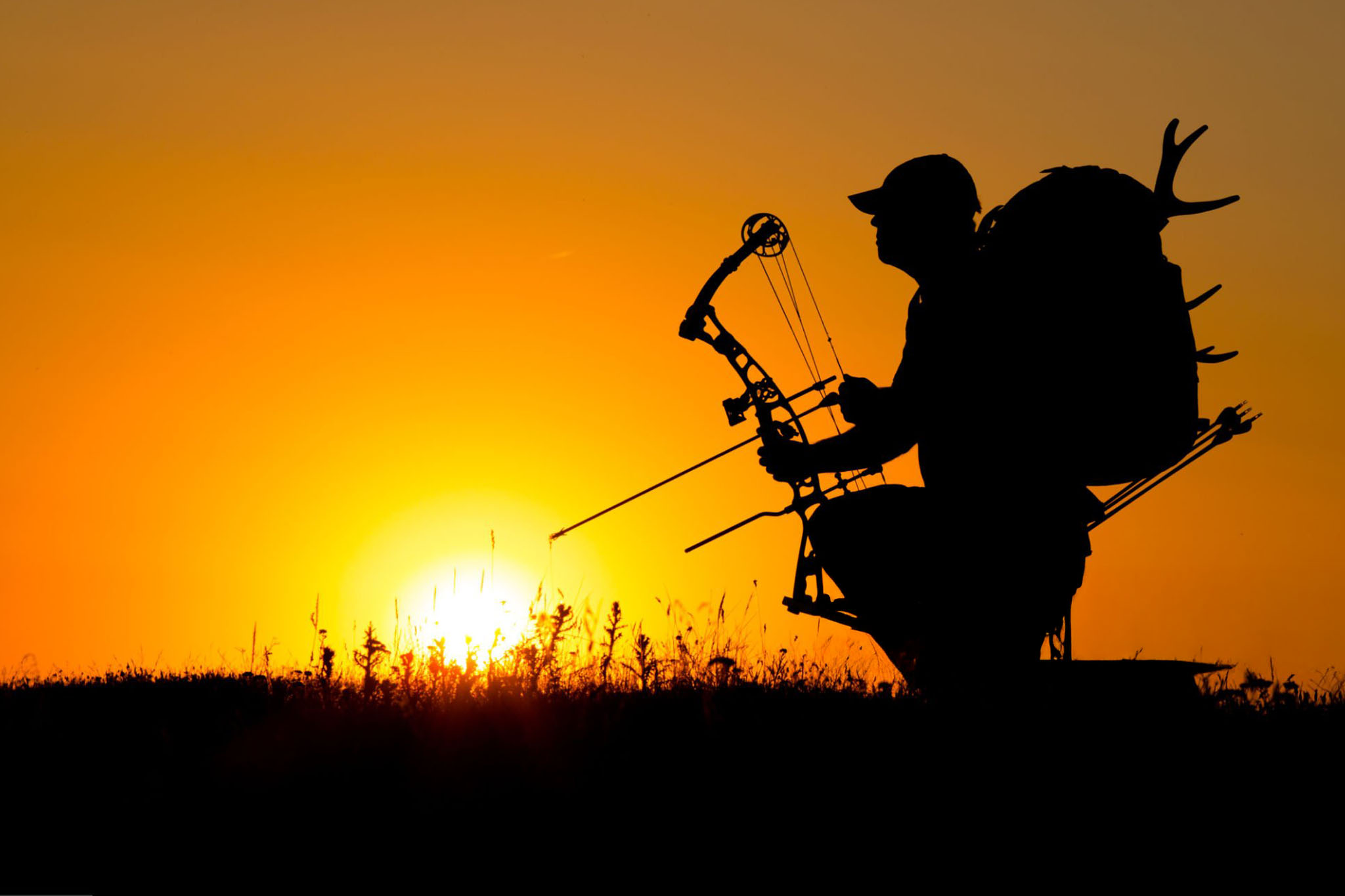
Every experienced deer hunter knows the window between late summer and early fall is a time of change. Whitetails shift their feeding patterns, alter travel routes, and become less predictable as velvet sheds and bachelor groups disperse. Understanding this seasonal transition is the key to staying ahead of the herd and setting yourself up for early-season success.
Here’s a closer look at where deer move—and why—when summer fades into fall, plus practical strategies to help you adapt.
The Seasonal Shift: Why Deer Change Patterns
In late summer, deer are often visible in open fields, feeding heavily on soybeans, alfalfa, and other high-protein crops. But as days shorten and temperatures cool, several factors push them to change habits:
- Dietary needs: Deer begin transitioning from protein-rich greens to carbohydrate-heavy acorns and mast crops that fuel them for the rut and winter.
- Cover preferences: Summer bedding in open, breezy areas gives way to thicker timber and brush as deer seek security and cooler shade.
- Velvet shedding: Bucks lose their velvet in early September, leading to more solitary and territorial behavior.
- Hunting pressure: Pre-season scouting and the first days of archery season can push deer off their summer routines quickly.
Key Areas to Focus on During the Transition
1. Field Edges and Food-to-Cover Funnels
Early in September, deer may still use crop fields, but they’ll start traveling more cautiously. Look for edges where fields meet timber, and focus on trails that connect feeding areas with bedding cover.
2. Hard Mast Sources (Acorn Hotspots)
As white oaks and red oaks begin dropping acorns, deer flock to these food sources. Oak flats, ridge tops, and bottoms with heavy acorn production can become deer magnets overnight.
3. Thick Bedding Cover
Expect bucks to leave summer bedding in grassy ditches or open CRP fields. Instead, they’ll shift to dense cover in woodlots, cedar thickets, and brushy draws that provide both shade and security.
4. Water Sources
Even in early fall, warm days make water a critical draw. Creek crossings, ponds, and secluded seeps along ridges are often overlooked stand locations during the transition.
5. Travel Corridors and Pinch Points
As deer shift patterns, they use predictable travel routes. Saddles, creek crossings, and narrow funnels between bedding and food make excellent ambush sites.
Tactics for Hunting the Transition
- Rely on trail cameras: Use cameras on both field edges and interior woods to catch movement changes. Cellular cams can reveal exactly when bucks abandon summer routines.
- Go mobile: Don’t cling to one stand. Be willing to move deeper into cover as deer shift.
- Hunt fresh sign: Droppings, rubs, and freshly opened trails are more reliable than memory of where deer “used to be” in August.
- Timing matters: Evening hunts near feeding transitions are often more productive early in the season, while morning sits improve as fall progresses.
- Play the wind: Bucks become less forgiving once velvet is gone. Always set up downwind of travel routes and bedding cover.
Mistakes to Avoid in the Transition Period
- Overhunting field edges: Pressuring deer too much near crops can push them nocturnal before the season gets rolling.
- Ignoring acorns: Many hunters stay focused on fields and miss the sudden shift to mast feeding.
- Neglecting scouting updates: Deer patterns in late August may look nothing like mid-September. Daily changes are normal during this period.
Final Thoughts
Hunting the transition from summer to fall is both challenging and rewarding. Deer are shifting habits rapidly, but that also means opportunity for hunters who pay attention. By keying in on changing food sources, adjusting to thicker bedding areas, and staying flexible with stand locations, you’ll stay one step ahead of wary whitetails.
The hunters who understand this transition aren’t just waiting for the rut—they’re filling tags early and consistently.
