
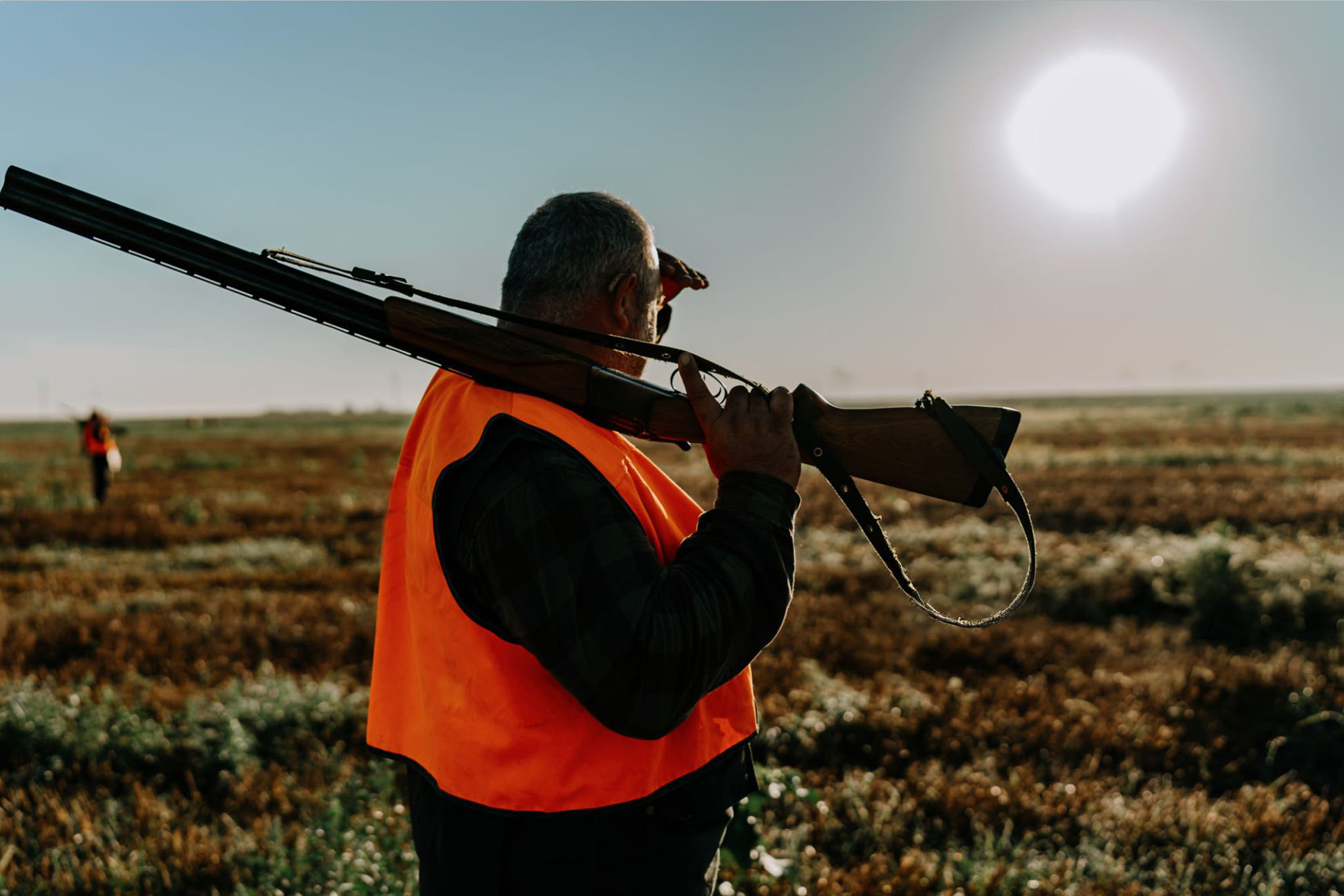
For deer hunters, the holy grail is finding a buck’s core area—the relatively small slice of his home range where he feels safest, spends the majority of his daylight hours, and is most killable. Locating it isn’t about guesswork; it’s about carefully reading the woods and piecing together subtle clues. By studying rubs, beds, and trails, hunters can crack the code of a mature buck’s routine and dramatically increase their odds of success.
Understanding the Core Area
Every buck has a home range that might span hundreds of acres. But within that range is a much smaller core area—often less than 100 acres—where he spends upward of 70% of his time outside of the rut. This is where he feels most secure, bedding, staging, and moving cautiously within a tight loop. If you can pinpoint that area, you’re no longer hunting “a deer,” you’re hunting the deer.
Rubs: The Calling Cards of a Mature Buck
Rubs are one of the most visible indicators of a buck’s presence. But reading them correctly requires more than counting the number of scarred saplings.
- Size and Height Tell the Story: A wrist-thick tree shredded shoulder-high is a far better clue to maturity than a cluster of pencil-sized rubs. Mature bucks tend to hit thicker trees with more aggressive marks.
- Rubs in Clusters vs. Rub Lines: A single rub might indicate nothing more than a passing deer. But a line of rubs, particularly along edges or funnels, shows a travel route. Clusters of rubs in a thicket or staging area often suggest a bedding zone nearby.
- Freshness Matters: Bright, wet shavings on the ground signal a rub that’s only hours old. That can tell you when a buck is actively using that spot.
Think of rubs as a buck’s handwriting. They not only prove he’s there—they reveal his patterns, his size, and sometimes even his personality.
Beds: The Heart of the Core
Finding a buck’s bed is like finding his address. Mature bucks choose bedding locations with layers of defense, and these can teach you volumes about his behavior.
- Wind Advantage: Bucks bed with the wind at their back and a view ahead. Hillsides, points, and benches are common bedding features because they allow deer to detect danger from multiple directions.
- Proximity to Food and Cover: Younger deer may bed close to food, but mature bucks often separate themselves, preferring thick cover with limited access points. If you find a bed surrounded by rubs and droppings, you’re likely in the heart of his daytime sanctuary.
- Single vs. Community Beds: Large, oval-shaped beds with big hoof impressions are typically buck beds. Multiple smaller beds grouped together often belong to does.
Locating a bed doesn’t mean you should immediately set up on top of it. Instead, use it as a compass point, then look for trails and staging areas where you can intercept the buck without tipping him off.
Trails: Highways of the Whitetail Woods
Deer trails connect the dots between food, water, and bedding. But not all trails are created equal.
- Primary vs. Secondary Trails: Wide, beaten paths often belong to does and yearlings. Mature bucks typically use secondary trails—faint paths running parallel to the main highways, offering more cover and safety.
- Trail Junctions: When two or more trails meet, especially near bedding cover, it’s a prime ambush location. Add in a scrape or a cluster of rubs, and you’ve likely found a staging area.
- Timing the Movement: Trail cameras can confirm when bucks are using specific trails. Early-season photos of daylight movement often pinpoint the edge of a core area.
By studying trails in combination with rubs and beds, you can build a clear picture of how a buck travels within his safe zone.
Putting It All Together
Think of rubs, beds, and trails as puzzle pieces. Alone, each offers a clue, but together they reveal the bigger picture:
- Rubs show where he travels.
- Beds tell you where he rests.
- Trails explain how he connects the two.
Marking these findings on a map—digital or paper—can expose patterns you’d otherwise miss. Perhaps the rub line along an oak ridge points straight toward a bedding thicket, with a faint trail veering off toward a food source. That’s not random; that’s a buck’s routine.
The Payoff: Hunting with Precision
When you’ve identified a buck’s core area, the difference in your hunting strategy is night and day. Instead of sitting over a generic food plot or travel corridor, you’re now within striking distance of his most guarded space. That means higher odds of daylight encounters, especially in the early and late season when bucks are least likely to wander.
The trick is to move carefully. One mistake—walking into the bed itself, letting your scent drift into the core, or overhunting the area—can send a buck packing. But if you respect his sanctuary and set up on the fringes of his patterns, you’ll have the chance at the kind of close, daylight encounter most hunters dream of.
Final Thoughts
Mature bucks don’t leave neon signs advertising their presence. But they do leave clues—rubs etched into saplings, oval beds pressed into thick cover, and faint trails threading the timber. Hunters who slow down, read those signs, and fit the puzzle together gain something far more valuable than luck: they gain knowledge.
And in deer hunting, knowledge is the edge that turns long sits into filled tags.
