
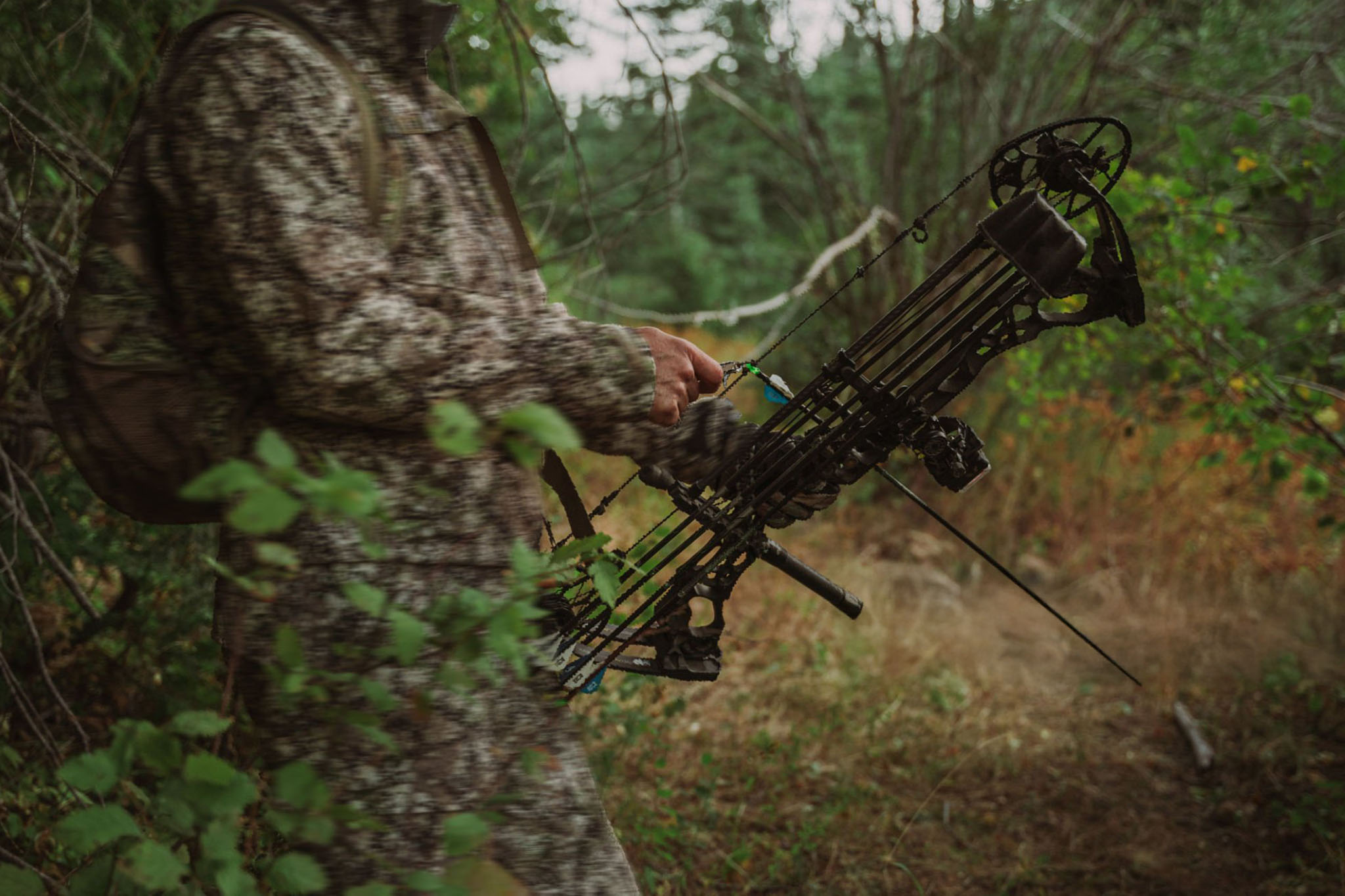
Every hunter knows the gut-punch feeling of a missed shot. Whether it’s the hollow whack of an arrow skipping off a limb or the echo of a rifle crack that sends deer bounding into cover, those moments can haunt you long after the woods grow quiet. But seasoned hunters also know that a miss doesn’t have to mean the season is over. In fact, with the right mindset and adjustments, a blown opportunity can become the foundation for late-season success.
Step One: Analyze Without Emotion
The first step after a missed shot is shaking off the sting and breaking down why it happened. Did a branch deflect your arrow? Did you rush the trigger pull? Was the deer quartering harder than you realized? The goal isn’t to wallow in frustration but to learn. Every miss is a free lesson in real hunting conditions—and those lessons often stick better than any day at the range.
Step Two: Rebuild Confidence in Your Shot
Confidence kills deer just as surely as broadheads and bullets. After a miss, many hunters subconsciously hesitate on the next opportunity, second-guessing anchor points, sight pictures, or ranges. The antidote is practice.
- Recreate the Scenario: If you shot from an awkward angle in a stand, set up a target and drill those angles.
- Dial in Cold-Bore Shots: In late season, you often get just one chance. Practice taking one perfect shot at the beginning of each session, mimicking real-world pressure.
- Trust Your Setup: Sometimes it’s not you but your gear. Double-check broadhead flight, bow tune, or scope zero before heading back out.
Step Three: Adjust to Deer Behavior Post-Miss
Deer don’t simply vanish after a missed shot—they adapt. Often, they’ll circle back into their home range within days, but their approach may change.
- Shift Setups Slightly: If a buck busted you at one stand, move 50–100 yards downwind along his likely travel route. He may skirt the original location but stay in the area.
- Watch Body Language: A deer that was spooked by sound may return more cautiously, but a deer alerted by human scent may abandon the area longer. Read the situation before diving back in.
Step Four: Capitalize on Late-Season Patterns
Late-season deer are often more predictable than in October’s chaos. Food becomes the driving force, and cold weather tightens patterns. Your miss might sting, but the advantage of late season is that deer have to feed. If you refocus your hunting strategy on primary food sources—cut corn, standing beans, brassica plots, or oak ridges with lingering acorns—you can catch that same buck back on routine.
Step Five: Turn the Mental Page
One of the hardest parts of hunting isn’t physical skill but mental grit. Missing a shot is humbling, but dwelling on it will only cost you the next chance. The best hunters use a miss as motivation, turning self-doubt into sharper awareness and renewed determination. Remember: every buck taken in the late season had to survive months of pressure, weather, and human intrusion. If you get another shot, it means you did something right after the miss.
The Payoff of Persistence
Many hunters can recall their “second-chance buck” stories: the giant that ducked an arrow in October but stepped out on a bean field in December, or the heavy 8-pointer that slipped by out of range only to return on a bitter January evening. These moments aren’t accidents—they’re the reward for hunters who learn from mistakes, stay adaptable, and keep hunting with confidence.
A miss doesn’t define your season. It simply sets the stage for a comeback. And sometimes, that second chance—earned through patience, persistence, and reflection—makes the final success taste even sweeter.
