
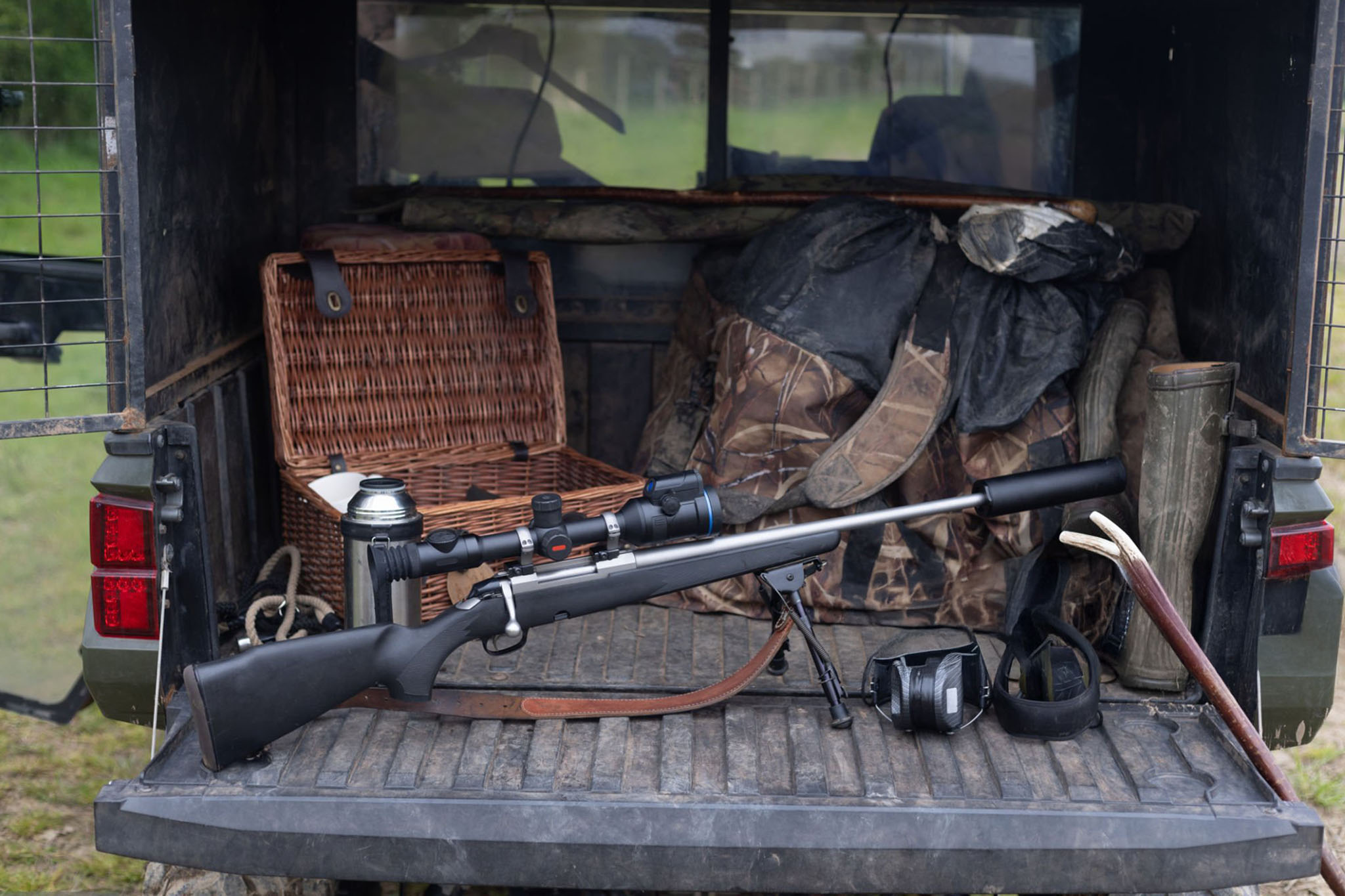
October is a tricky month for deer hunters. The early season excitement is wearing off, the rut hasn’t quite kicked into high gear, and many hunters fall into patterns that cost them opportunities. Mature bucks are already adjusting to pressure, food sources are shifting, and the weather can change on a dime. That’s why October is often called the “make-or-break” month—it exposes sloppy habits and poor judgment faster than any other time of year.
If you want to turn October from a frustrating grind into a month of smart hunting, it starts with identifying the mistakes most hunters make—and learning how to avoid them.
1. Overhunting a Stand Too Early
One of the biggest October mistakes is hunting your best stand too often. Many hunters can’t resist slipping in repeatedly, hoping each sit will be “the one.” But pressured deer don’t need much to change their habits. A couple bad winds or careless exits can be enough to shift a buck’s pattern completely.
The Fix: Treat your best stand locations like fine wine—save them for the right conditions. Focus early-October hunts on observation stands, fringe areas, or spots with easy entry and exit. When a cold front hits or pre-rut activity kicks in, then move into the prime spot with confidence.
2. Ignoring Entry and Exit Routes
A stand can be perfect, but if your approach blows deer out of the area, the hunt is over before it starts. Too many hunters walk right through feeding or bedding areas without thinking about wind, noise, or visibility. Deer notice every intrusion, and mature bucks rarely forgive repeated mistakes.
The Fix: Plan your routes with as much care as you plan your stand placement. Use creeks, ditches, or terrain features to stay hidden. Time your entry so deer are less likely to be nearby, and always exit quietly, even if it means walking an extra half-mile around.
3. Relying Too Much on Early Season Patterns
September bucks often stick to predictable food-to-bed routines. By October, shifting acorn drops, cut cornfields, and cooling temps throw those routines out the window. Hunters who cling to early-season intel often find themselves staring at empty fields.
The Fix: Stay mobile. Glass food sources in the evenings, check fresh sign like rub lines and scrapes, and shift with the deer. October is about adaptation, not stubbornness.
4. Misreading the “October Lull”
The infamous “October lull” is often blamed for lack of deer movement. In reality, deer don’t vanish—they just change where and when they move. Hunters who assume deer activity has died off may stay home when opportunity is actually high.
The Fix: Focus on cover transitions, staging areas, and daylight-safe travel corridors. Bucks may not be parading through open fields, but they’re often moving just inside the timber or along edges. Adjust expectations and hunt smarter, not less.
5. Getting Sloppy with Wind and Thermals
October weather is unpredictable, and so are thermals. Hunters often misjudge how wind swirls through hill country or around cover edges, contaminating an area without realizing it. A single whiff of human scent can send a mature buck nocturnal for weeks.
The Fix: Study how thermals rise in the morning and fall in the evening. Use milkweed fluff or powder to track subtle air currents, and only hunt a stand when the wind is bulletproof. Never force a sit just because it’s convenient.
6. Hunting Afternoons Only
Some hunters skip mornings in October, assuming deer won’t move until dusk. While evenings often shine, mornings can be golden—especially in the mid-to-late October window when bucks start checking scrapes and pushing closer to bedding areas.
The Fix: Mix in strategic morning hunts, particularly near staging areas or doe bedding cover. Just be sure your entry route doesn’t spook deer already bedded down.
7. Losing Patience Too Soon
October is about laying groundwork. Too many hunters expect nonstop action and get frustrated when deer sightings slow. That frustration often leads to cutting corners—walking in late, skipping scent precautions, or abandoning smart setups.
The Fix: Remember that October hunts build momentum toward the rut. Stay disciplined with your preparation, and think of each hunt as gathering intel, not just filling a tag.
Final Thoughts
October exposes the difference between a casual sit and a calculated hunt. It punishes hunters who rush in, repeat mistakes, or hunt without a plan. But for those who adapt, respect the wind, and stay patient, October can deliver some of the most rewarding encounters of the year.
Deer hunting is a game of adjustments, and October is the month that rewards those who learn quickly. Avoid the pitfalls, hunt with intention, and you’ll set yourself up for a November to remember.
