
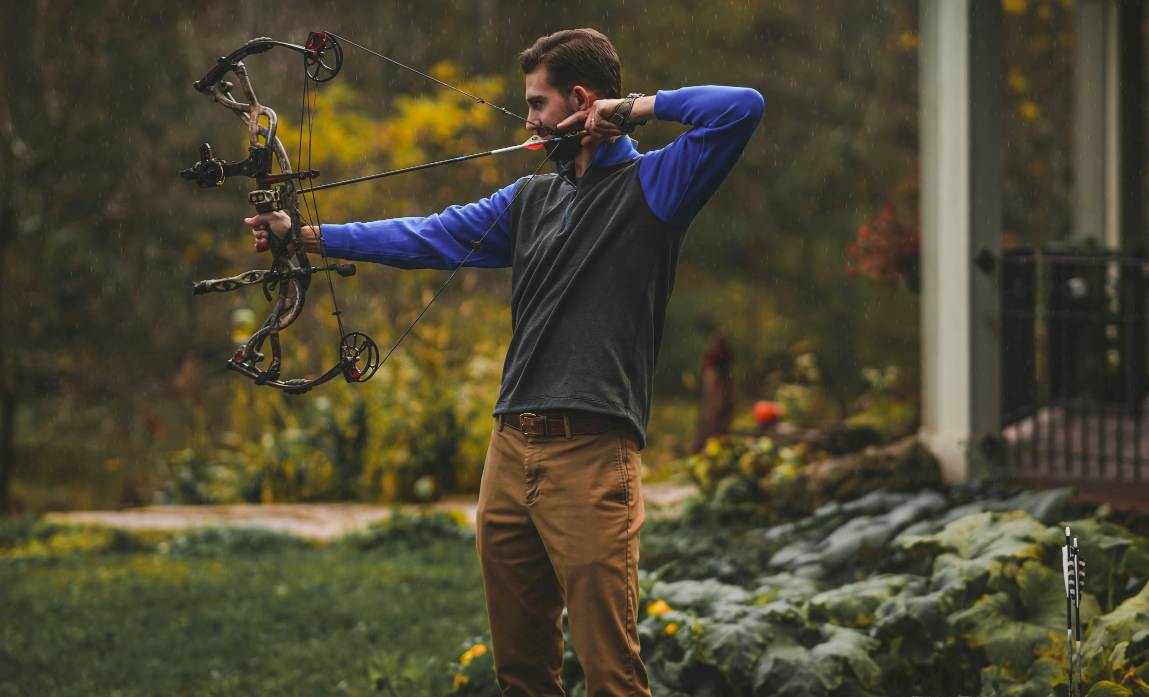
The middle of hunting season isn’t the time you want to second-guess your equipment. By now, you’ve logged hours in the stand, weather has started shifting, and deer movement is picking up pace. But mid-season also brings another reality: your bow has endured temperature swings, humidity changes, and the normal wear of hauling it in and out of the field. Even the smallest adjustment slipping out of tune can mean the difference between a clean pass-through and a frustrating miss. That’s why a mid-season bow check is critical.
Why Mid-Season Tuning Matters
Many hunters carefully dial in their setups before opening day but forget that equipment performance changes over time. Strings stretch. Cams drift. Broadheads can shift after repeated practice shots. Add in the impact of cool mornings followed by warm afternoons, and your bow’s precision can easily slip.
A bow that was stacking arrows in September can suddenly hit two inches left in October. That margin might not matter at 20 yards, but at 35 or 40, it can spell disaster. Regular mid-season tuning ensures confidence in your shot when the opportunity finally comes.
Step One: Inspect the Bow from Top to Bottom
Before you shoot, start with a careful inspection:
- Strings and Cables: Look for fraying, stretching, or wax build-up. If strings are more than two years old or heavily worn, it may be time to replace them.
- Cams and Modules: Check timing marks. Even minor shifts can throw off accuracy.
- Bolts and Screws: Vibration from repeated shooting can loosen rest bolts, sight screws, or quiver mounts. Tighten everything down.
- Limb Condition: Examine for cracks or splintering. Even a hairline fracture can compromise safety.
This process takes only a few minutes but can prevent costly errors.
Step Two: Reconfirm Arrow Flight
The heart of tuning lies in arrow flight. Mid-season is the time to confirm your arrows are still flying true.
- Paper Tuning Check: A quick tear test can expose tuning issues like tail-left or tail-high flight.
- Broadhead vs. Field Point Test: Practice with both. If broadheads group differently, fine-tune rest position or make micro-adjustments to sight alignment.
- Spin Test: Roll each arrow on a flat surface. Wobbles indicate bent shafts or loose inserts that will ruin consistency.
Consistency at the range translates to confidence in the woods.
Step Three: Confirm Sight and Rest Alignment
A small bump climbing into a stand or brushing through thick cover can shift your sight or rest.
- Sight Pins: Re-sight at 20, 30, and 40 yards. Don’t assume you’re still dead-on.
- Arrow Rest: Drop-away rests can sometimes fail to fully reset in colder weather. Test functionality multiple times.
- Bubble Levels: If your sight has a level, double-check its accuracy—especially if you’ve been hunting steep terrain.
Remember, a half-inch of sight shift in the garage can mean six inches of miss in the field.
Step Four: Shoot in Hunting Conditions
Tuning isn’t just about the bow—it’s about the shooter. Mid-season is the perfect time to check yourself, too.
- Full Gear Practice: Shoot with your hunting jacket, gloves, and safety harness on. Bulky layers can change anchor points and affect release.
- From the Stand: If possible, practice a few arrows from an elevated platform to mimic real-world shots.
- Cold-Bow Shots: Instead of emptying quivers at the target, take one shot with a cold bow. That’s how hunting happens.
This type of practice reveals whether your accuracy holds up in the exact conditions you’ll face.
Step Five: Don’t Forget the Release
Many hunters overlook their release aid, but it’s just as vital as the bow. Check for:
- Consistent Trigger Tension: Adjust if it feels lighter or heavier than you’re used to.
- Jaw or Hook Wear: Replace if there’s visible wear that could lead to misfires.
- Strap Security: Make sure wrist straps or clips are snug and reliable.
A failing release can undo months of preparation.
Confidence Is Accuracy
The biggest advantage of a mid-season bow check isn’t just mechanical—it’s mental. When a buck finally steps into range, hesitation kills. Confidence that your bow is dialed-in allows you to focus fully on shot execution, not equipment doubts.
Hunting is full of variables you can’t control: wind shifts, deer behavior, and pressure from other hunters. Your bow shouldn’t be one of them. By taking an hour for a thorough tune-up, you stack the odds in your favor when it matters most.
✅ Final Tip: Make mid-season checks part of your routine. Just like you recheck your stand straps or sharpen your broadheads, tune your bow. The hunters who do are the ones who walk out of the woods with filled tags, not excuses.
