
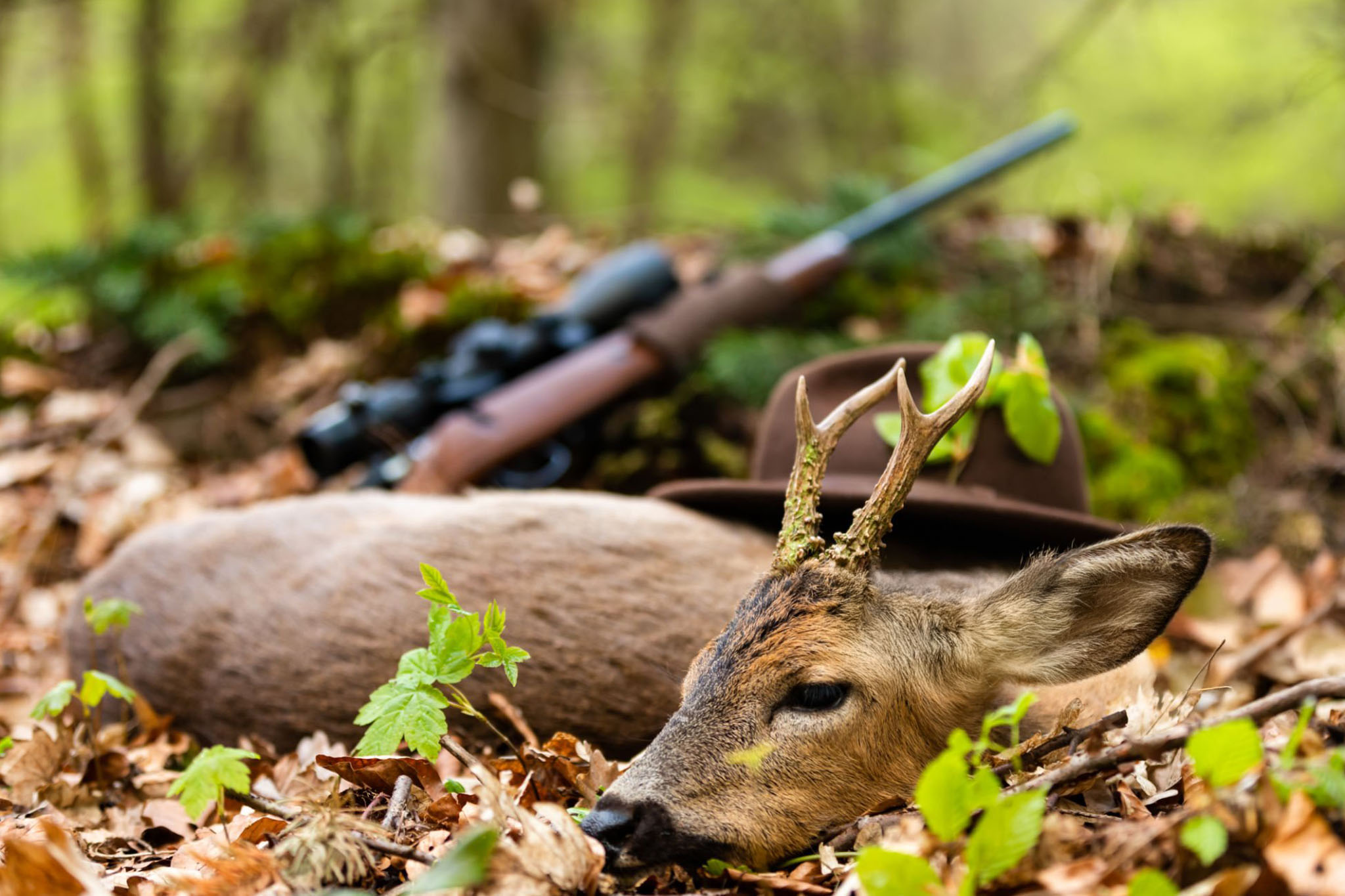
October is one of the most challenging yet rewarding times to hunt whitetails. While many hunters rush into the woods expecting rut-like activity early in the month, seasoned hunters know October is a game of subtle patterns, discipline, and observation. Before the chaos of the rut ignites, bucks operate on a predictable rhythm driven by food, cover, and security. Learning to read these pre-rut movements can transform slow hunts into filled tags.
The “October Shift” – What Really Happens
As September fades, deer slowly transition away from their late-summer bachelor groups and agricultural food sources. Velvet is long gone, and bucks begin to separate, staking out individual home ranges. They’re not chasing does yet, but testosterone levels are rising, which sparks small changes in behavior:
- Food Priorities Change – Soybean fields and alfalfa plots lose their appeal, while hard mast crops like acorns become magnets. If you’re still glassing green fields, you may miss where deer are actually feeding.
- Security Takes Center Stage – Hunting pressure increases, and deer react accordingly. Mature bucks spend more time in thick cover or feeding under low-light conditions.
- New Travel Routines – Bucks start staging closer to bedding cover and often move through transition areas (edges, funnels, creek bottoms) on their way to food sources.
Key Pre-Rut Movement Patterns
1. Edge-to-Food Travel
Deer rarely walk straight across open fields in October. Instead, they hug edges—timberlines, overgrown fence rows, and brushy ditches—using natural cover to conceal movement. Positioning stands along these edge routes offers high odds during evening hunts.
2. Acorn Obsessed
When white oaks start dropping acorns, food plots and crop fields can go dead overnight. Deer often bed close to oak flats, feeding heavily right at dusk. Locating productive trees is often the fastest way to crack October patterns.
3. Staging Areas
Mature bucks may not step into fields until after dark, but they frequently pause in staging areas—small pockets of cover 50–100 yards back from food sources. These are ideal ambush locations if you can slip in undetected.
4. Scrape and Rub Activity
Scrapes and rub lines start appearing heavily in mid-to-late October. While bucks aren’t chasing yet, they’re laying down signposts and scent-marking. Monitoring active scrapes with trail cameras can reveal which bucks are in the area and when they’re moving.
Hunting Tactics for October Success
Play the Wind Like It’s the Rut
In October, bucks are still cautious and rely heavily on their noses. Thermals, swirling winds, and slight changes in direction can ruin hunts fast. Setting up downwind of travel corridors, scrapes, or staging areas is non-negotiable.
Hunt Evenings Over Mornings
Morning hunts can be risky in early October, as you risk bumping deer heading back to bedding areas in the dark. Evening sits near food sources, acorn flats, or staging areas typically offer better odds without spooking deer.
Stay Mobile
Don’t get locked into one stand. If deer shift food sources or you see fresh sign elsewhere, adjust quickly. Portable stands or a lightweight saddle setup give you flexibility to keep up with changing patterns.
Use Trail Cameras Wisely
Trail cameras are gold in October, but placement matters. Focus on scrapes, staging areas, and travel funnels rather than wide-open fields. Be cautious with intrusion—check cameras sparingly or use cellular units to avoid educating deer.
Avoiding the “October Lull” Trap
Many hunters complain about the dreaded “October lull,” when deer activity seems to vanish. The truth is deer aren’t disappearing—they’re simply adjusting to changing food, cover, and pressure. If you keep hunting the same field edge without adapting, it’s easy to believe deer aren’t moving. The key is staying one step ahead of their shifts.
Final Thoughts
October is a month of nuance, not chaos. Bucks aren’t yet running wild after does, but they’re leaving a trail of clues in their food preferences, scrape activity, and travel patterns. By paying attention to the subtle shifts—acorn drops, staging areas, and travel edges—you can intercept bucks before the rut takes over and hunting pressure spikes.
The hunters who succeed in October aren’t the loudest or busiest in the woods—they’re the ones who observe, adapt, and let the deer’s own patterns dictate the hunt.
