
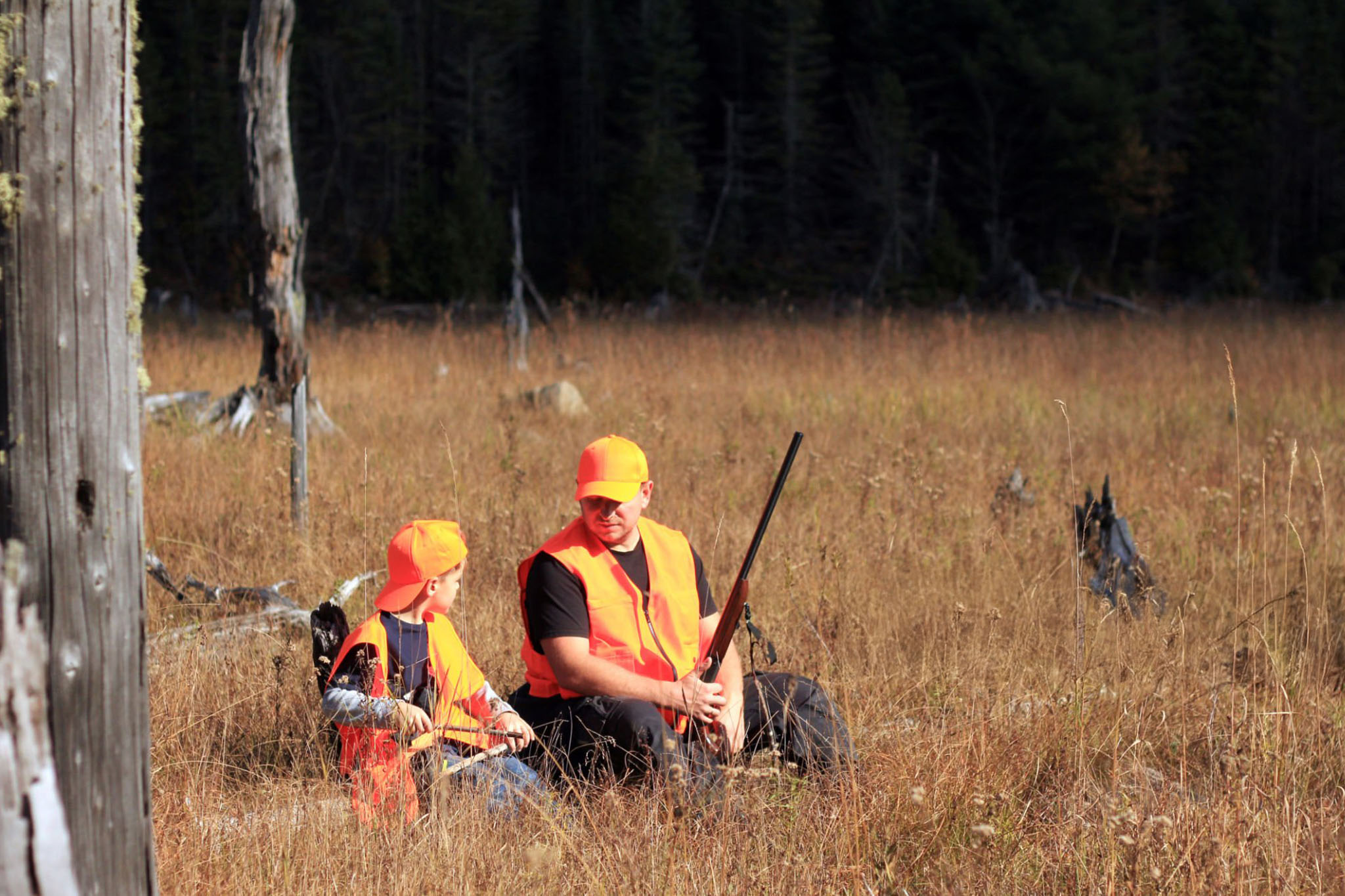
October is a month of subtle shifts in the whitetail woods. Acorns hit the ground, crops come off the fields, and deer start adjusting their patterns in preparation for the rut. But before the woods fill with hunters and bucks become wary of every sound, there’s a window where edge cover transitions provide some of the most reliable ambush opportunities. Hunting these transition zones—where one habitat type blends into another—can be the difference between just seeing deer and tagging a mature buck before hunting pressure sends them nocturnal.
Why Edges Matter
Whitetails are edge-oriented creatures. While thick cover provides security and open fields provide food, deer rarely linger in either for long during daylight. Instead, they travel and stage along the seams where cover types meet.
- Natural Travel Corridors: Deer prefer paths of least resistance. A brushy fence line between a cornfield and a timber block, or a grassy strip between hardwoods and CRP, creates a natural highway.
- Security in Blends: Edges provide just enough cover for deer to feel safe while still letting them survey their surroundings. A buck slipping along a timberline can scent-check both cover and field without exposing himself.
- Food-to-Bed Connections: Many edge transitions link bedding thickets to food sources. Hunting these connectors lets you intercept deer in daylight before they fully commit to the open.
Prime Transition Types to Target
Not all edges are created equal. The most productive ambush points usually combine food, cover, and security.
- Field-to-Timber Lines
Classic staging areas. Bucks often linger just inside the timber before entering fields at dusk, scent-checking the open space before committing. - Hardwoods to Brushy Thickets
A mix of open oaks dropping acorns next to dense bedding cover creates perfect feeding-security edges. Mature bucks feel comfortable moving earlier here than in wide-open hardwoods. - CRP to Timber
Grassy cover adjacent to woods often serves as bedding for does and travel corridors for bucks. Look for trails cutting between the two, especially near funnels like creek crossings or corners. - Cutovers or Clearcuts
The line between young regrowth and mature timber is a favorite travel route. Deer browse the new growth while staying close to cover. - Water Edges
Creeks and rivers create natural transition lines. Deer often hug these waterways, using them as both cover and travel routes.
Timing Is Everything
The beauty of hunting edges is their effectiveness before deer feel the full brunt of hunting pressure.
- Early October: Focus on evening sits near field edges and staging areas. Deer are predictable, moving from bedding to feed in daylight.
- Mid-October: Shift slightly deeper into cover transitions as bucks start to check scrapes and show cautious daylight movement.
- Before Peak Pressure: Many hunters flood into the woods during late October. Getting in early and taking advantage of unpressured edges can put you in front of deer that will soon turn nocturnal.
Edge Ambush Strategies
Hunting edges isn’t as simple as sitting on the field line. Smart setups are key to success.
- Play the Wind and Thermals: Edges create swirls, especially where open fields meet timber. Always test wind direction and set up downwind of expected movement.
- Stay Off the Obvious: Don’t sit right on the field edge unless you’re hunting does. Bucks often stage 20–50 yards back inside cover before stepping out. Hang stands in these staging zones.
- Trim Shooting Lanes, Not Clearings: Bucks use edges for security. Over-clearing brush can make them wary. Instead, cut small lanes just wide enough for ethical shots.
- Quiet Entry and Exit: Walking across open fields to reach a timber edge often blows your hunt before it starts. Use ditches, fence lines, or creek beds for stealthy approaches.
- Mobile Options: A saddle or lightweight hang-and-hunt setup lets you adapt quickly as deer shift patterns. Edges can heat up overnight and cool off just as fast.
Reading Deer Behavior on Edges
Watch how deer use edges differently depending on time of day:
- Morning: Bucks use edges as travel corridors back to bedding. Funnels and creek edges are prime setups.
- Evening: Staging areas just inside cover near fields shine, especially when acorns or cut crops provide food.
- Midday: Scrape lines along edges can see surprising activity in mid-October, as bucks scent-check while traveling.
Final Thoughts
Edges are where deer feel comfortable moving in daylight, especially before hunting pressure ramps up. By focusing on cover transitions—timber to field, brush to hardwoods, or creek lines—you can set up ambushes where deer naturally want to travel. The key is timing: hunt these areas in early to mid-October, before heavy hunting pressure changes their patterns.
Edges aren’t just boundaries between habitats; they’re highways of whitetail activity. Learn to read them, set up smart, and move before the crowds, and you’ll stack the odds in your favor for an October encounter with a mature buck.
