
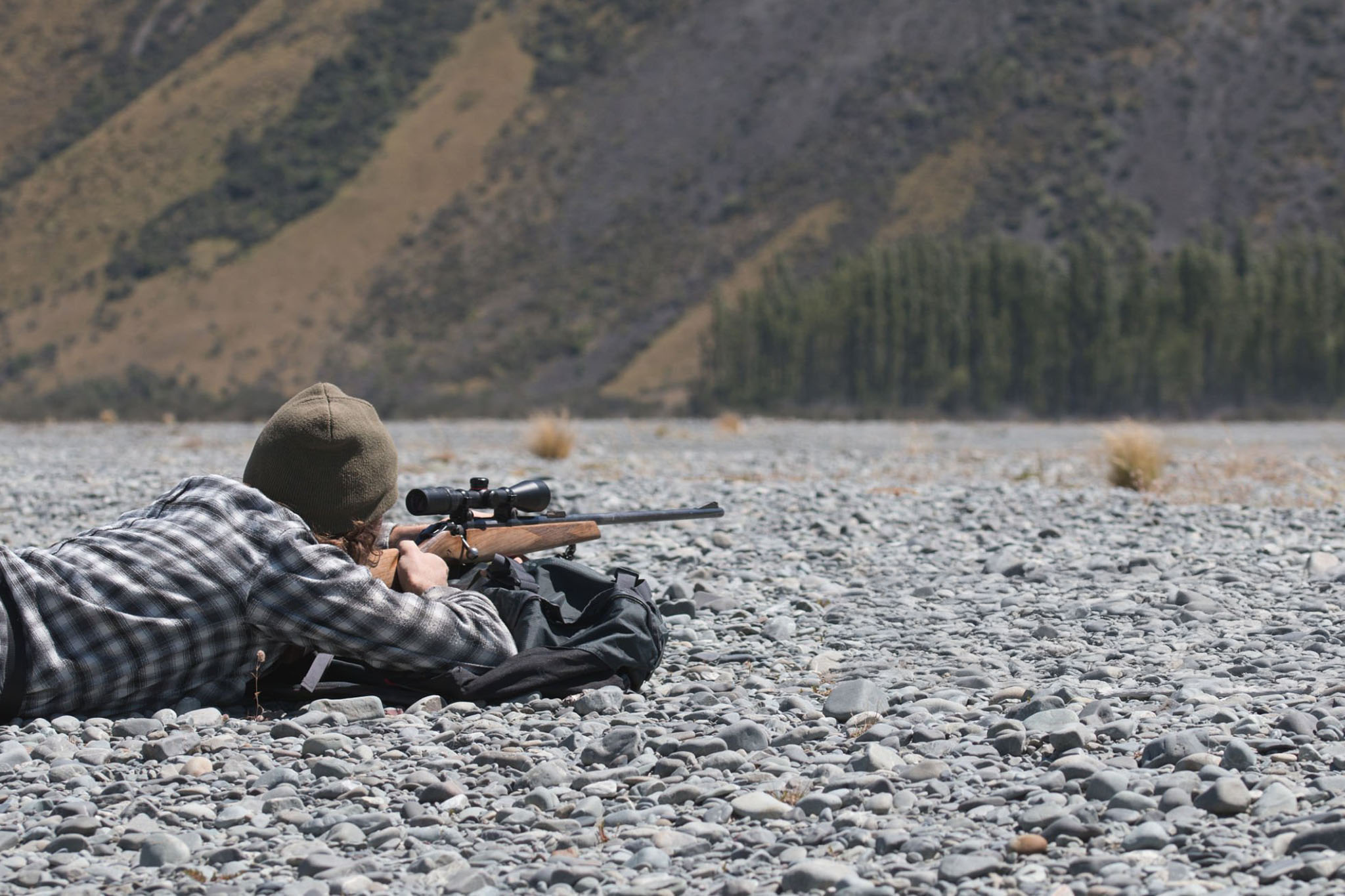
Every bowhunter has felt the surge of adrenaline that comes when a deer finally steps into range. Your heart pounds, your breathing shortens, and your instincts scream to draw and release. But successful hunters know that discipline—not impulse—separates clean kills from lost opportunities. Shot discipline is the art of knowing when not to shoot, and in October hunts where deer are unpredictable, it can make all the difference.
The Temptation of Early Opportunities
October brings unique challenges. Bucks begin shifting patterns, leaving summer food plots for acorns and early scrape lines. You might see deer moving more in daylight, but not always in predictable ways. That first glimpse of antlers slipping through cover can make you rush a decision. Yet forcing a shot when the angle isn’t right—or the deer isn’t settled—often leads to poor penetration, a marginal hit, and a long tracking job that may never end in recovery.
The truth is, not every shot opportunity is a good one. Holding back takes patience and confidence in the bigger picture.
Factors to Consider Before Releasing
Developing shot discipline means weighing several elements in seconds:
- Shot Angle
Broadside or slightly quartering away shots are the gold standard. They open the vitals for a clean pass-through. Quartering-to, steep downhill, or facing shots often leave too little margin for error. - Distance
Just because your bow is sighted to 40 yards doesn’t mean every 40-yard shot is ethical. Wind, movement, and low light conditions magnify errors at longer ranges. For most bowhunters, 20–30 yards is the sweet spot for consistent accuracy. - Deer Behavior
Is the animal calm and feeding, or alert and ready to bolt? A tense deer can “jump the string,” dropping several inches at the sound of your release. Waiting for the deer to relax its posture greatly increases your odds. - Surroundings
Branches, brush, or tall grass can deflect an arrow just enough to spoil the shot. Always assess what lies between you and the vitals—not just the deer itself. - Your Readiness
Fatigue, shaky hands, or rushing to beat fading light can all compromise accuracy. If you don’t feel steady, let down. There will be another chance.
Practicing Patience in Real Hunts
Shot discipline is easier said than done. Here are ways to train yourself to wait for the right moment:
- Simulate Stress at Home: Practice shooting after sprints, or with your heart rate elevated, to mimic the adrenaline rush of a real hunt.
- Pass on Purpose: In early season hunts, commit to letting younger bucks or marginal opportunities walk. This builds the muscle memory of restraint.
- Mentally Rehearse: Before each hunt, visualize scenarios where you’ll pass. That way, the decision won’t feel rushed when it happens.
- Remind Yourself of the Goal: A clean, ethical harvest should always outweigh the thrill of simply releasing an arrow.
The Reward of Discipline
Hunters who exercise shot discipline consistently report higher recovery rates and greater satisfaction. Passing on a marginal shot often means getting a second chance at the same deer later in the season—this time under better circumstances. Bucks that survive poor hits rarely move the same way again, but deer that were passed cleanly often return to their patterns.
And when the right shot does present itself—a calm buck at 25 yards, quartering away—you’ll know you waited for it. That confidence in your decision-making, paired with a clean harvest, is what defines a truly successful hunter.
Closing Thoughts
Shot discipline isn’t about playing it safe—it’s about playing it smart. Every hunter wants to release, but seasoned woodsmen know that holding back at the wrong moment is just as important as letting an arrow fly at the right one. This fall, commit to patience, trust your preparation, and let discipline guide your decisions. In the end, restraint today could mean a buck on the ground tomorrow.
