
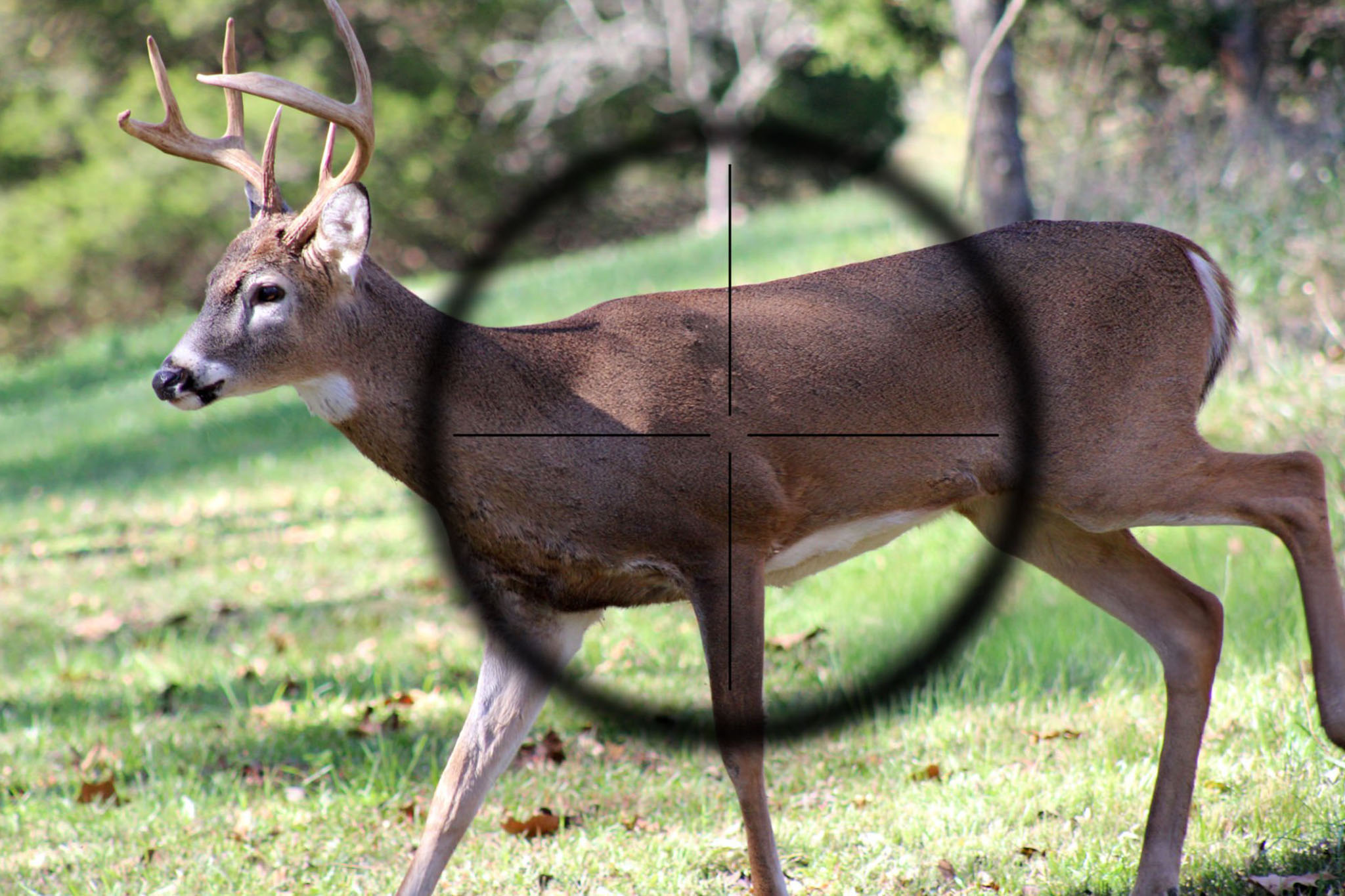
Few topics in the deer hunting world stir as much debate as the moon. Ask a group of hunters at deer camp whether the moon phase affects deer movement, and you’ll get as many answers as there are opinions—some swear by it, others dismiss it as folklore. For decades, moon charts, hunting almanacs, and coffee shop conversations have fueled the idea that certain lunar phases dictate when bucks are most likely to move. But how much of this is science, and how much is tradition passed down over generations?
Let’s peel back the layers and look at what we really know about the moon’s influence on deer activity.
The Tradition: Moon Myths and Hunter Beliefs
Hunters have long tied moon phases to deer movement, particularly during the rut. The most common beliefs include:
- Full moon movement: Many hunters claim deer bed longer in daylight during a full moon, then move mostly under cover of night.
- New moon advantage: Some believe darker nights prompt deer to be more active during daylight hours.
- Moon overhead/underfoot theory: This popular idea suggests deer are more likely to move when the moon is directly overhead or beneath the earth.
These theories often come bundled with detailed hunting calendars and predictions, giving the impression that the moon is a secret code to cracking deer movement.
The Science: What Research Tells Us
Scientific studies on deer movement and moon phases paint a more complicated picture. GPS-collared deer tracked across multiple states and seasons show consistent patterns:
- Primary movement drivers: Deer movement is influenced far more by weather (temperature, barometric pressure, wind) and hunting pressure than by the moon.
- Daylight activity: Data shows little correlation between moon phase and deer moving more or less during daylight. A cold front or lack of human pressure has a much stronger effect.
- Feeding cycles: While the moon may influence slight adjustments in nighttime feeding, these shifts don’t necessarily translate into noticeable changes for hunters during legal shooting hours.
In short, science suggests the moon doesn’t override the core factors that dictate when and how deer move.
Where the Moon Might Play a Role
That doesn’t mean the moon has zero effect. Many hunters—and even some researchers—acknowledge subtle influences worth noting:
- Visibility at night: A bright full moon can extend nighttime feeding, which may slightly reduce early morning activity. Conversely, darker nights may compress feeding windows, nudging deer to move earlier at dawn or dusk.
- Breeding timing: Some hunters argue the moon affects peak rut timing, but biological studies show rut dates are far more tied to photoperiod (day length) than lunar cycles. Still, the moon may influence secondary rut activity or doe movement.
- Confidence factor: If moon charts make a hunter sit longer or hunt harder, that belief alone can create more opportunities.
How to Hunt Smarter with or Without the Moon
Whether you buy into moon theory or not, there are practical takeaways for October and November hunts:
- Prioritize weather fronts. A temperature drop of 15–20 degrees or a high-pressure system is far more reliable than any moon phase.
- Time sits to conditions, not charts. Hunt mornings when it’s cool, crisp, and winds are steady. Save evenings for food sources after calm, sunny days.
- Overlay, don’t replace. If you enjoy moon predictions, use them as an extra layer—but don’t ignore proven factors like wind direction and hunting pressure.
- Trust fresh sign. Scrapes, rub lines, and trails tell you what deer are actually doing, not what a chart predicts they should be doing.
Final Thoughts: Truth in the Tradition
The moon’s influence on deer hunting likely lies somewhere between science and tradition. It isn’t the all-powerful force some hunters claim, but it isn’t entirely irrelevant either. At most, it’s a subtle background factor—one piece in a much bigger puzzle dominated by weather, food availability, and human intrusion.
The real truth? Successful hunters don’t wait on the moon—they make the most of every huntable day, adjusting strategies to what deer are showing them in real time. Whether you believe in moon charts or not, the key is time in the woods, sharp woodsmanship, and a willingness to adapt.
The moon may light the night sky, but it’s not the magic key to October or November success.
