
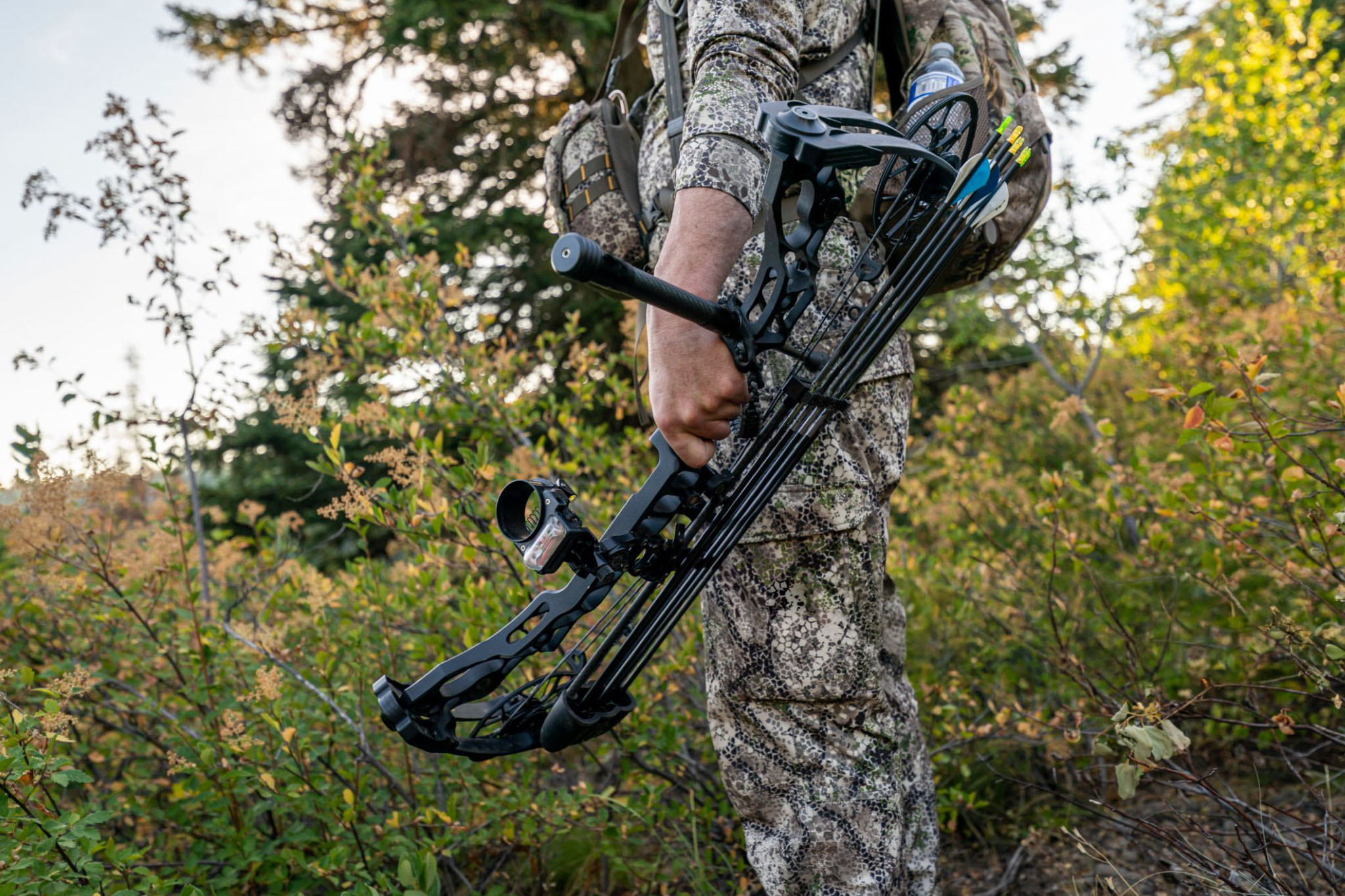
The first few weeks of deer season can feel like striking gold — bucks are visible, on predictable patterns, and often feeding in daylight. But seasoned hunters know this phase doesn’t last long. By late September in most states, those easy sightings vanish like steam off a hot cup of coffee. The trick? Gathering the right intel in August and early September so you can strike while the pattern holds.
1. Understand the Early-Season Window
Early-season whitetails are often in bachelor groups, moving from bedding to food in a routine dictated by safety and calorie needs. During this time, deer are less pressured and more visible, especially in the evenings. Once the first arrows fly or acorns start dropping, bucks change patterns fast. That means your scouting window is narrow — typically 2–4 weeks before and after opening day, depending on your region.
2. Locate Primary Food Sources
In early season, food rules everything. If you can pinpoint what’s drawing deer right now, you’ve found the heartbeat of their movement.
- Ag Fields – Soybeans are a top draw through late summer, especially before leaves yellow. Alfalfa and clover plots also attract deer during cooler evenings.
- Soft Mast – Apples, pears, and persimmons ripening early can pull bucks off larger fields and into smaller orchards.
- Transition Forage – Weeds, forbs, and browse along edges can be hot spots in dry summers when other forage is stressed.
Scout from a distance with optics, focusing on evening movements toward these feeding areas.
3. Follow the Trails, Not Just the Fields
While big feeding areas are easy to spot, the real kill opportunities often happen between bedding and food. Early-season bucks prefer low-risk travel routes:
- Field-edge brush lines
- Drainages with tall grass
- Shaded creek crossings
- Slight depressions that hide movement from roads and farmhouses
Look for fresh tracks, droppings, and slick, matted vegetation along these routes.
4. Use Trail Cameras Strategically
Trail cams are a powerful tool, but in early season they’re best used cautiously. Place them:
- On Field Edges – Aim for evening entry points rather than bedding areas to avoid pushing deer.
- On Mineral Sites or Water Sources – In hot weather, a camera over a pond or seep can reveal patterns without much intrusion.
- At Transition Funnels – Small gaps in brush or fence crossings can give you a predictable camera trap for multiple bucks.
Check cameras sparingly — once a week at most — and use scent control every time.
5. Mind the Wind and Entry Routes
Bucks tolerate less human presence in summer than during the rut. Walk the wrong trail once or twice with your scent blowing toward bedding cover, and you could push them into a nocturnal pattern before the season even starts. When glassing or hanging stands:
- Approach from downwind.
- Use creeks, ditches, or hedgerows as cover.
- Avoid walking across primary feeding areas altogether.
6. Strike Fast When the Conditions Align
When you’ve confirmed a buck’s pattern — especially if you have two or three days of consistent daylight movement — don’t wait for “the perfect day.” Many early-season opportunities vanish after the first cold front, change in wind, or human disturbance. Evening hunts with consistent wind, warm temps, and minimal pressure are prime for slipping into a pre-hung stand and capitalizing.
7. Adjust When the Pattern Shifts
Even if your first plan doesn’t work, don’t pack it in. Early September often brings the first acorns, which can pull bucks off ag fields overnight. Keep glassing, check cameras near oak flats, and shift your setups accordingly.
Final Thoughts
Early-season whitetail hunting rewards hunters who prepare early, observe carefully, and move decisively. It’s less about chasing deer in the woods and more about letting your homework bring them to you. If you can find that one daylight pattern and slip in without tipping the buck off, you’ll be filling your tag while most hunters are still waiting for the rut.
