
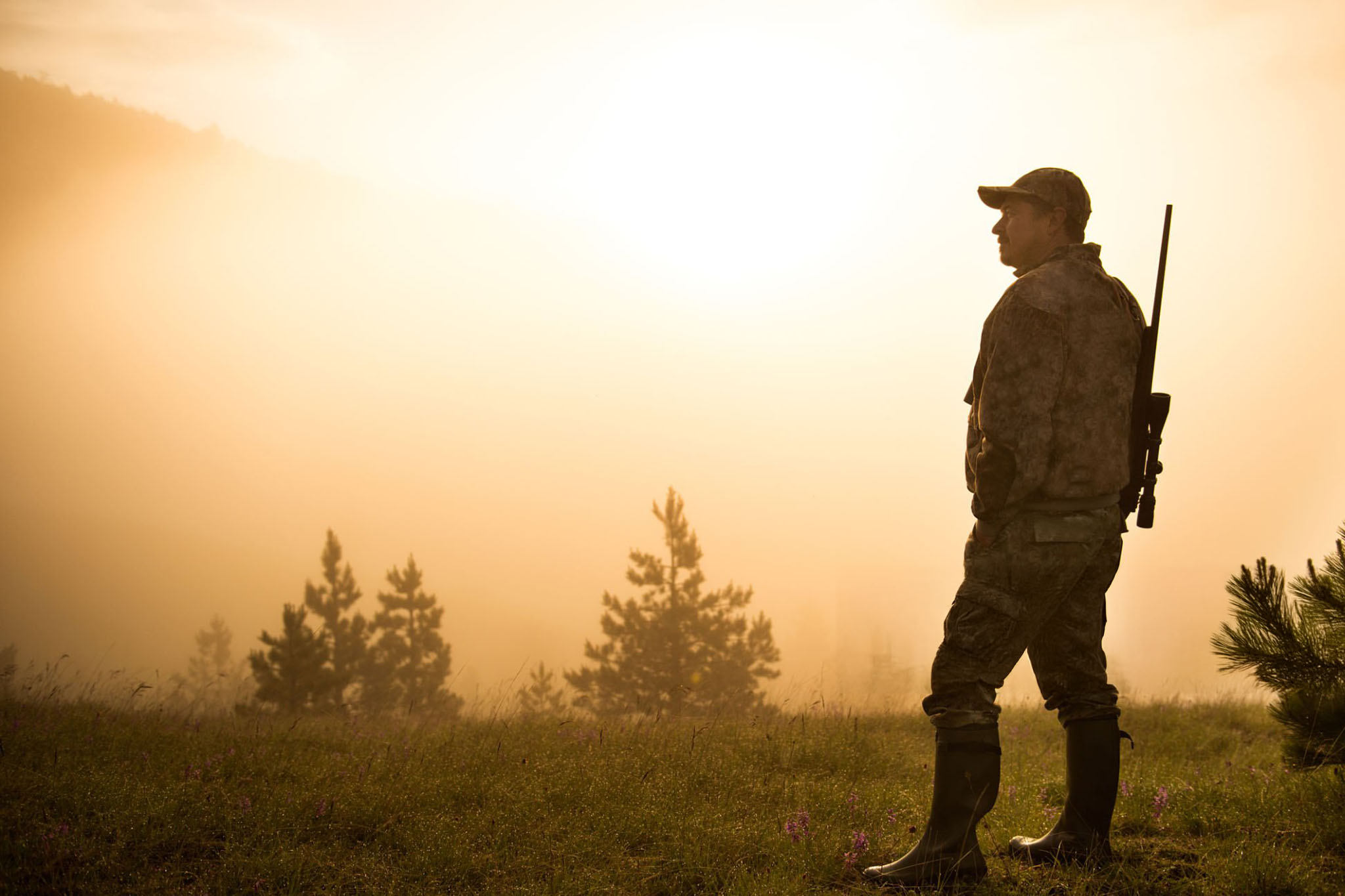
In heavily hunted areas, mature whitetail bucks don’t survive by luck—they survive by mastering the art of invisibility. They’ve learned to bed in places that most hunters walk past, places that don’t look like “classic” deer bedding areas. If you want to consistently find these ghosts before the season, you have to think like a pressured buck and train your eyes to spot the subtle clues they leave behind.
Why Overlooked Terrain Is Prime Real Estate for Big Bucks
Hunting pressure changes deer behavior fast. In public land and pressured private tracts, bucks quickly abandon open hardwood ridges, obvious bedding points, and easy-to-access thickets. Instead, they gravitate toward areas that offer:
- Low human intrusion – Spots that are inconvenient, noisy, or uncomfortable for humans to reach.
- Visual advantage – Locations with a clear view of approach routes.
- Wind and scent control – Beds positioned so prevailing winds and thermals alert them to danger before it’s close.
What does this mean for you? The best buck bedding might be 50 yards from a parking lot, hidden behind a screen of briars, or on a tiny island in a swamp.
Common Overlooked Bedding Spots
If you’re hunting where pressure is high, don’t waste all your time glassing big fields or walking ridge lines. Instead, put these often-ignored areas at the top of your scouting list:
1. Nasty, Impenetrable Thickets
Multiflora rose, greenbriar tangles, and waist-high honeysuckle aren’t fun to push through—but they’re perfect for bedding. Bucks know most hunters won’t fight the briars for a shot. Look for small openings inside the cover where a deer can bed and still escape quickly.
2. Tiny Habitat Pockets
A patch of tall weeds between a road and a farmhouse, a fencerow with thick cover, or a brushy corner of a pasture can hide a mature buck. These areas don’t “look” like hunting spots, which is exactly why they work.
3. Steep or Awkward Terrain Features
Sharp ditches, bluff edges, or eroded gullies offer security because hunters rarely approach from the right angle. Bucks bed where they can watch the open approach while having a steep drop or wall at their back.
4. Water-Adjacent Hiding Spots
Creek bends, cattail marsh points, or small swamp islands give bucks a wind and scent advantage. They can hear predators splashing through water long before they’re in bow range.
5. Downwind Sides of Human Activity
It sounds counterintuitive, but some mature bucks bed within sight of roads, houses, or hiking trails—just downwind. They use human noise as a security blanket, knowing most danger comes from deeper in the woods.
Scouting Tactics for Locating These Beds
Finding overlooked bedding isn’t just about walking more miles—it’s about scouting smarter.
Use Aerial and Topo Maps First
On satellite imagery, look for odd cover transitions, tiny brush pockets, or isolated timber surrounded by open land. On topo maps, mark steep terrain features that could offer security.
Scout Midday
Avoid bumping deer from their beds during prime movement times. Midday, deer are less likely to relocate permanently if bumped.
Look for Bedding Sign
Bedding sign is subtle. Key indicators include:
- Oval depressions in leaves or grass.
- Multiple rubs in a tight cluster.
- Droppings nearby.
- Worn escape trails leading to cover.
Play the Wind When You Scout
Approach suspected beds from downwind to avoid educating deer. If you must enter a bedded area, do it once and do it thoroughly.
Hunting Strategy Once You Find the Beds
Locating the bed is only half the job—you need a plan to hunt it without blowing it up.
- Hunt the Exit Routes – Bucks leave beds with the wind in their favor. Set up where trails intersect or where cover meets open feeding areas.
- Use Low-Impact Access – Approach in a way that doesn’t cross main travel routes. Water access or sneaking along terrain breaks can keep you hidden.
- Strike When Conditions Align – Wait for the perfect wind, weather shift, or first cold front to hunt tight to the bed.
- Limit Pressure – One or two sits per season in a bedding area is often all you get before the buck changes patterns.
Final Thoughts
In high-pressure hunting areas, the biggest bucks survive by becoming experts at choosing bedding spots you’d never expect. By deliberately targeting overlooked terrain—and resisting the urge to hunt only “textbook” spots—you give yourself a real chance at catching these elusive deer on their feet.
Think like a buck. Avoid the obvious. Hunt where no one else is willing to go.
