
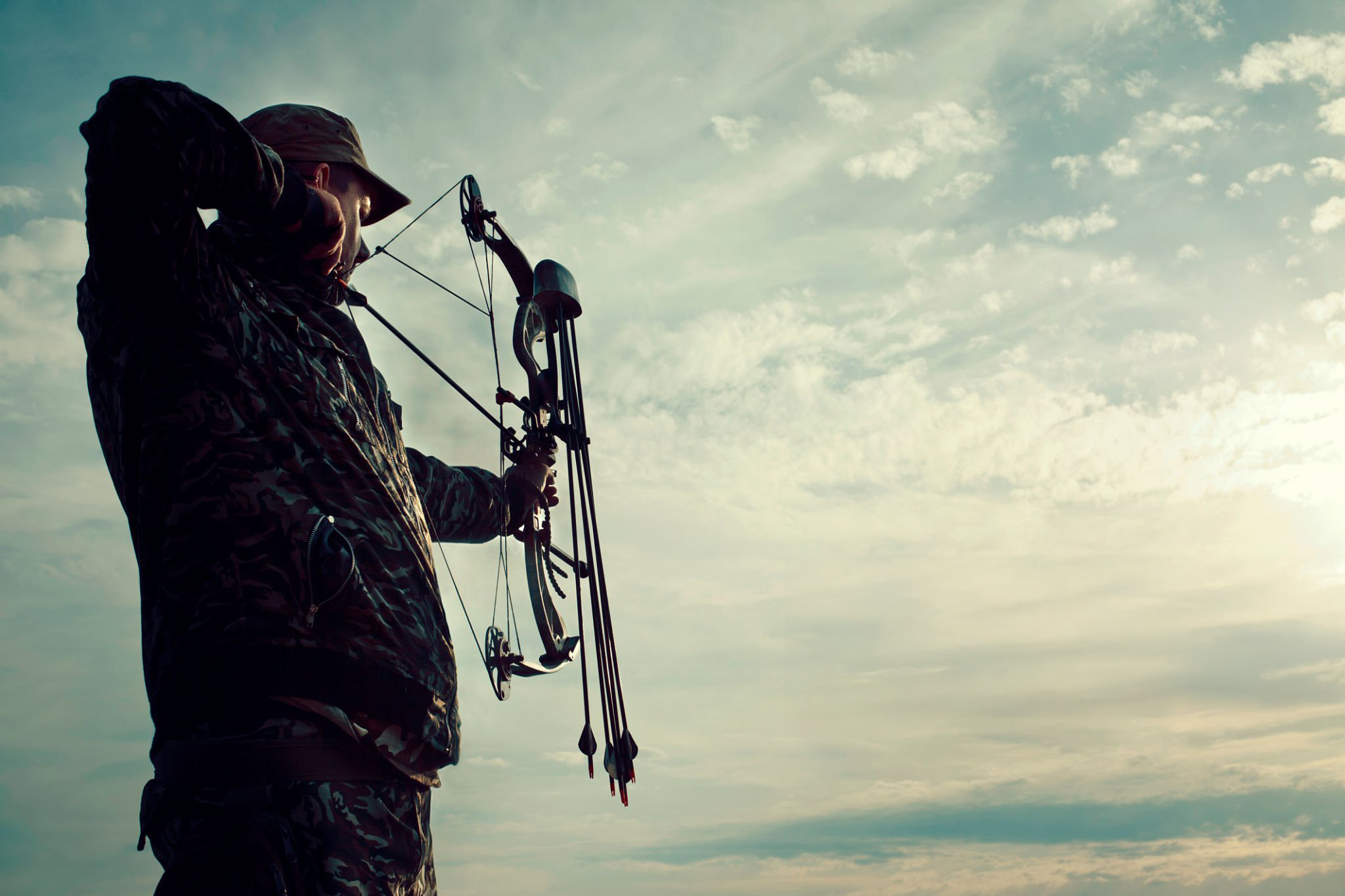
With bow season just around the corner, many hunters are dusting off their gear and getting in some last-minute practice. But here’s the big question: Is your bowhunting gear truly ready for opening day—or are you overlooking some critical details that could cost you a shot at a trophy buck?
Late summer is the time to go beyond casual prep and put your entire setup under the microscope. From broadheads to boots, here’s your ultimate late-summer bowhunting gear checklist to ensure you’re ready when that big buck steps into your shooting lane.
1. Bow Tune-Up and Inspection
Even if your bow has been shooting well all summer, this is the time for a final full inspection—because the smallest flaw can become a major problem in the field.
✅ Check limb bolts and cam timing
✅ Inspect limbs for cracks or splinters
✅ Spin-test your arrows for true flight
✅ Check D-loop and nocking point for wear
✅ Wax your string and cables
✅ Ensure your rest is level and secure
✅ Shoot through paper to confirm clean arrow flight
Pro Tip: If it’s been more than a year since your last tune-up, stop by a local pro shop for a professional once-over.
2. Broadhead Testing and Matching
Too many hunters slap on a broadhead the night before the hunt and expect field point accuracy. Don’t make that mistake.
✅ Shoot your hunting broadheads well ahead of time
✅ Match broadhead weight and shape with your field points
✅ Check broadhead blades for sharpness and integrity
✅ Practice with at least one arrow outfitted exactly like your hunting setup
Mechanical or fixed blade—broadhead flight testing is non-negotiable. A poorly flying broadhead is a recipe for wounding, not harvesting.
3. Arrows and Fletching
Your arrows are your projectiles—so they need to be pristine.
✅ Check all arrows for cracks, dents, or loose inserts
✅ Inspect fletching for tears or detachment
✅ Ensure all arrows are the same length and spine
✅ Number your arrows to track consistency during practice
✅ Keep at least a half-dozen fully prepped hunting arrows in your quiver
Pro Tip: Always carry a couple of arrows tipped with small game heads. You never know when a squirrel or rabbit might offer a shot during slow times.
4. Release Aid Check
You’d be amazed how many hunters overlook their release aid—until it fails.
✅ Test your release under pressure (long hold, quick shots, cold fingers)
✅ Inspect the hook or caliper for wear or grit
✅ Clean and lubricate the mechanism if needed
✅ Always carry a backup if you use a mechanical release
If you’re shooting a finger tab or glove for traditional archery, make sure the leather isn’t stretched or worn through.
5. Sight and Rangefinder Dial-In
An accurate shot starts with trustworthy optics.
✅ Confirm all sight pins are properly set and sighted in
✅ Practice from real hunting ranges (15, 23, 35 yards—not just 20/30/40)
✅ Replace batteries in electronic sights or red dots
✅ Test your rangefinder in various light and weather conditions
✅ Practice ranging common objects to build speed and confidence
Bonus Tip: Range landmarks before the deer show up. That way you’re not fumbling when a buck is closing in.
6. Treestand and Saddle Safety
If your hunting strategy includes elevation, your safety system must be rock solid.
✅ Inspect all treestand straps for fraying or dry rot
✅ Test tree steps and climbing sticks for stability
✅ Check saddle bridge, lineman’s rope, and carabiners
✅ Practice hanging and hunting from your system at height
✅ Repack gear to minimize noise while climbing or shifting position
Safety isn’t optional. A pre-season gear failure 15 feet up can end your season—or worse.
7. Clothing and Scent Control Prep
Early-season conditions are warm and sweaty—so plan accordingly.
✅ Wash hunting clothes in scent-free detergent
✅ Store gear in scent-controlled containers or bags
✅ Break in boots to avoid blisters in the stand
✅ Prepare for layering: mornings are cool, afternoons can scorch
✅ Test mobility and draw your bow in your full kit
Also, make sure your gloves and facemask don’t interfere with your anchor point or string path.
8. Pack Essentials and Emergency Gear
A disorganized pack can slow you down—and you can’t afford delays when deer are moving.
✅ Inventory gear: field dressing kit, license, tags, headlamp, extra batteries, knife
✅ Restock any first aid or survival supplies
✅ Ensure hydration system is cleaned and filled
✅ Check that rangefinder, wind checker, and calls are easily accessible
✅ Load up your scent eliminator spray and insect repellent
Don’t forget extras like a bow hanger, pull rope, or thermacell—those details can make your sit far more effective.
9. Trail Camera and Intel Update
Your gear doesn’t stop at the bow. Trail cameras are key scouting tools.
✅ Replace SD cards and batteries
✅ Check for proper camera angle and height
✅ Ensure date/time stamp is correct
✅ Sync remote access (if cellular) and test notifications
✅ Review images for new patterns and daytime movement
Hot Tip: Bucks may start shifting patterns in late August. Keep checking cameras until the day before the opener.
10. Mindset and Muscle Memory
Your gear may be ready—but are you?
✅ Finish every practice session with a single, focused shot
✅ Practice drawing slowly and holding for 30+ seconds
✅ Visualize real hunting scenarios while shooting
✅ Rehearse mental steps: range, breathe, anchor, pick a spot, release
Confidence isn’t just gear deep—it’s built with repetition, planning, and knowing you’ve checked every box.
Final Thoughts
Late summer prep isn’t glamorous, but it’s what separates the consistently successful from the “almost had him” crowd. Use this checklist to fine-tune every piece of your bowhunting kit before the season starts. Because when the opportunity finally walks into range, you want your focus on making the shot—not wondering if your gear will hold up.
Is your gear really ready? After going through this checklist, it will be.
