
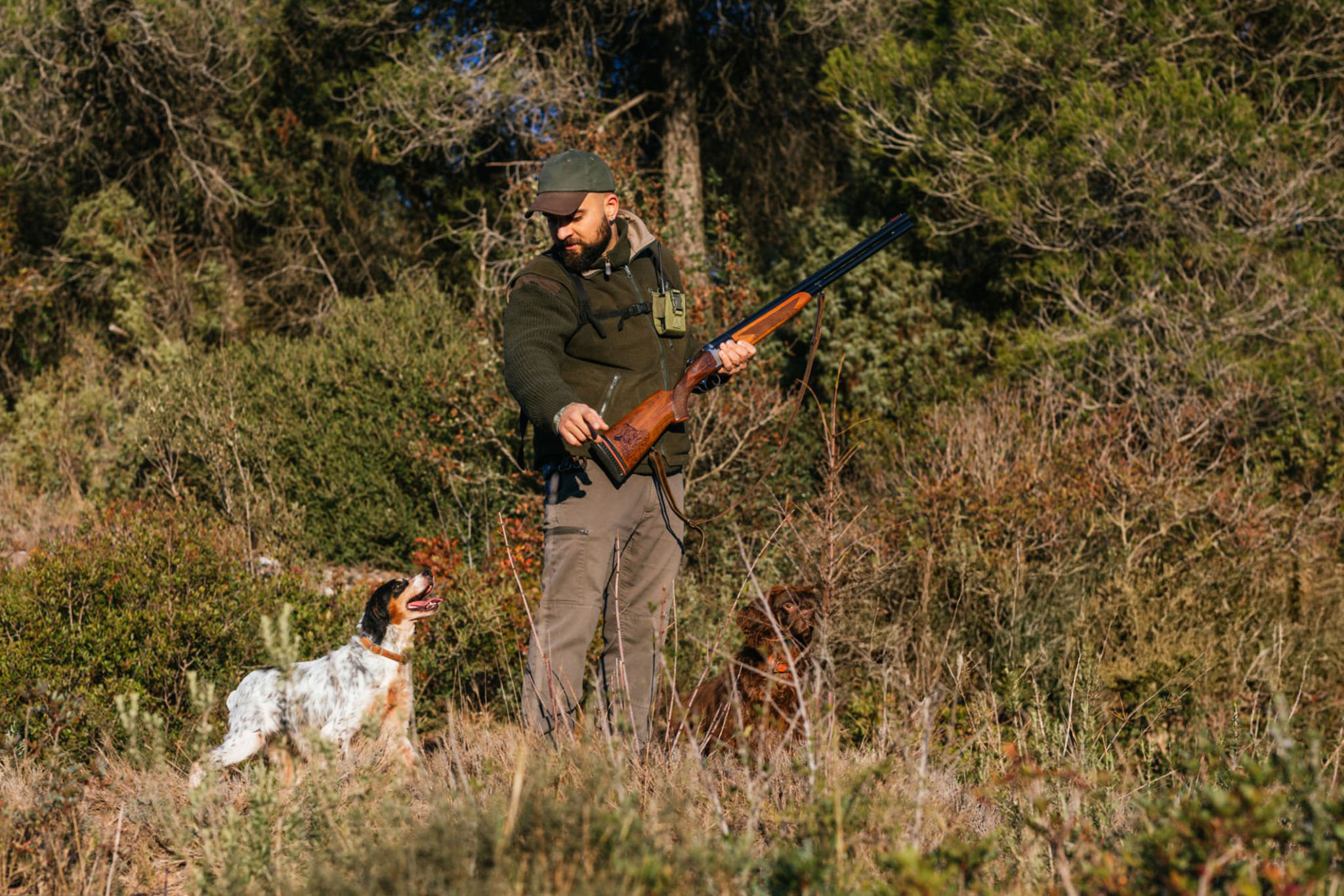
The early season offers a unique window of opportunity to tag a mature buck before the pressure builds and patterns shift. Bucks are still predictable in late summer and early fall—primarily because their behavior revolves around feeding and bedding. If you want to punch your tag early this year, understanding and hunting food source patterns is the key to finding success.
Here’s how to break it down.
1. Know What They’re Eating — Right Now
Before you ever step into the woods, you need to know what’s in season and what deer prefer in your area. Early-season bucks typically target:
- Soybeans: Green and full of protein in August and early September. Bucks will hit these fields hard until the leaves start yellowing.
- Alfalfa: A lush, palatable option if it’s available in your region.
- White oak acorns: If they’re falling early, they’ll quickly pull deer off fields.
- Food plots: Clover and chicory plots can be magnets if planted and maintained correctly.
- Soft mast: Apples, persimmons, or wild plums can steal the show if they’re dropping.
Understanding local plant growth stages—and the timing of crop changes—can help you anticipate where deer will be feeding from week to week.
2. Glass from Afar to Pinpoint Entry Points
Scouting isn’t just walking into the woods and hanging a stand. The most effective early-season hunters spend late summer glassing fields at last light.
From a safe distance (a truck, tractor path, or treeline), use quality optics to:
- Identify bucks in bachelor groups
- Note what time they’re entering the field
- Watch where they’re coming from and how they leave
These entry and exit routes are gold. A buck may only feed in daylight a few times a week, so you want to intercept him between bed and food without tipping him off.
3. Backtrack to Bedding Cover
Once you’ve identified where the bucks are feeding, it’s time to work backward.
Early-season bucks often bed close to food—sometimes within 100–300 yards—especially if pressure is light. Look for:
- North-facing slopes
- Thicker brush, especially near the field edge
- Points or ridges with prevailing wind advantage
Avoid walking directly into bedding zones. Use topographic maps, wind direction, and careful observation to connect the dots between food and bed.
4. Use Trail Cameras Wisely
Trail cameras can confirm patterns you’ve observed while glassing, but their placement is critical:
- Hang them on trails between food and bedding, not just on the field edge.
- Mount them higher and angled down to avoid detection.
- Check them midday or use cell cams to limit intrusion.
You’re looking for consistent daylight movement. If a buck is only hitting the field at night, you’ll need to hunt his route, not his dinner plate.
5. Consider Wind and Thermals
Bucks don’t just walk out into the open. Even in the early season, they’re using the wind to stay alive.
- Mornings can be tough unless you’ve patterned a buck bedding late.
- Evening hunts are more predictable, as deer move toward food as thermals settle.
- Use wind mapping apps and powder to understand how scent travels along terrain features.
Plan your access routes accordingly to avoid alerting deer. One bad entrance can blow up an entire early-season setup.
6. Stay Mobile, Stay Fresh
Bucks will notice if something changes—especially in lower-pressure areas. If your setup doesn’t produce after a few sits, don’t be afraid to:
- Shift 50–100 yards closer to travel routes
- Try a saddle or hang-and-hunt setup for mobility
- Pull out and wait for better conditions
Your goal is to strike early while the pattern is strong. Overhunting one location will push a mature buck into nocturnal behavior quickly.
7. Watch the Weather for Feeding Flurries
Cold fronts, light rain, and overcast evenings can trigger unexpected daylight movement, especially in late August or early September. Monitor weather apps and be ready to move when conditions shift.
Final Thoughts
Hunting early-season bucks by focusing on food source patterns is about observation, patience, and stealth. The bucks are there. They’re moving in daylight. But if you move too fast, or guess without a plan, they’ll vanish as quickly as they appeared.
Do your homework, watch the fields, connect the bedding dots, and time your entry right. When you finally slip into that ambush spot on the edge of a feeding pattern, you’ll be set up for one of the most rewarding shots of the season—before anyone else has even warmed up their tree stand.
