
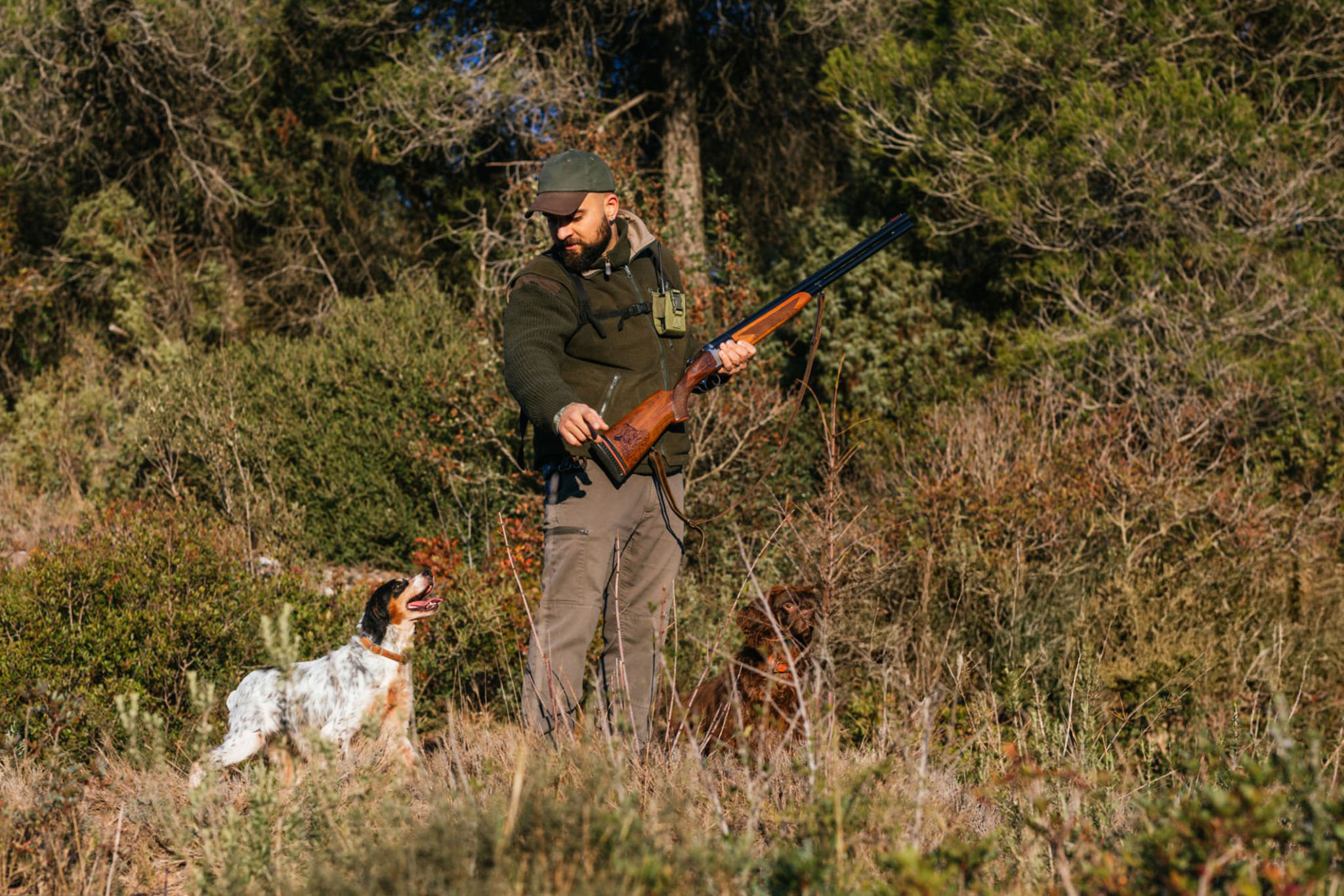
When the first days of hunting season arrive, many hunters step into the woods armed with tuned bows, sighted-in rifles, and carefully prepared gear. Yet the tool that often determines success isn’t in your hands—it’s in your head. Focus and patience are the cornerstones of early-season hunting success, and they separate the hunters who consistently fill tags from those who walk out frustrated.
Early-season hunts can be physically comfortable but mentally challenging. The weather is warm, deer are often in tight summer patterns, and opportunities may be few and fleeting. To capitalize on those moments, hunters must prepare their mental game as thoroughly as they prepare their equipment.
Here’s how to develop focus, patience, and mental resilience for a successful early-season hunt.
1. Understand the Mental Demands of Early-Season Hunting
Unlike the adrenaline-packed chaos of the rut, early-season hunting is often a slow, methodical game. You may spend hours in a treestand or blind with limited movement, waiting for a mature buck to step out before dark.
- Long Sits Require Discipline: It’s easy to fidget, check your phone, or shift positions when action is slow.
- Minimal Margins for Error: In warm weather, deer are hypersensitive to scent and noise, so one careless movement can ruin your hunt.
- Few Opportunities: Early-season bucks are predictable, but they give you very little daylight exposure—patience is critical.
Mindset Shift: Treat every sit as an investment, not a gamble. Even if you don’t release an arrow or pull the trigger, you’re gathering valuable intel.
2. Build Focus Through Preseason Preparation
Mental toughness begins before you ever step into the field. Preparation breeds confidence, and confidence calms the mind.
- Know Your Property: Study maps, trail camera photos, and wind patterns so you can hunt without second-guessing.
- Establish Entry and Exit Plans: Reducing uncertainty helps you move quietly and stay focused on the hunt.
- Practice With Purpose: Shooting under mild stress—timed shots, varied positions—helps condition your brain for real encounters.
When your mind trusts your preparation, it’s easier to stay still and focused in the woods.
3. Develop Patience as a Hunting Skill
Patience isn’t just waiting; it’s waiting with discipline and purpose.
- Train for Stillness: Start with shorter sits in the preseason, gradually increasing your time in the stand.
- Break Time Into Segments: Mentally divide a long hunt into half-hour chunks to keep your focus sharp.
- Use Your Senses: Instead of daydreaming, actively listen for distant movement and scan your surroundings slowly.
Pro Tip: Remember that many early-season opportunities appear in the last 30 minutes of shooting light. Hunters who leave early often miss the only chance of the evening.
4. Control Your Mind in the Moment of Truth
When a mature buck finally steps into range, excitement can ruin even the most prepared hunter. Controlling your mind in this high-pressure moment is critical.
- Breathe and Reset: Slow, controlled breathing lowers your heart rate and steadies your shot.
- Pick a Single Spot: Focusing on a specific point on the deer’s body keeps your aim precise.
- Commit to the Process, Not the Outcome: Follow your shot routine exactly as you practiced it at the range.
Training your mind to stay calm under pressure is what turns scouting and patience into a filled tag.
5. Use Visualization and Mental Rehearsal
Elite athletes use mental rehearsal to prepare for game day—and hunters can do the same.
- Picture Success: Imagine a buck stepping out, drawing your bow or shouldering your rifle, and executing a perfect shot.
- Visualize Challenges: Mentally rehearse scenarios like wind shifts, deer approaching from unexpected angles, or long periods without action.
- Combine with Real Practice: Pair visualization with preseason shooting drills to create a strong mind-body connection.
This mental practice makes the real moment feel familiar instead of overwhelming.
6. Stay Mentally Fresh Throughout the Hunt
Even the most disciplined hunter can lose focus during long sits. Keeping your mind engaged helps you remain sharp.
- Plan Quiet Observations: Track how the wind swirls, listen for birds or squirrels reacting to movement, and note the light changes.
- Use Positive Self-Talk: Remind yourself why you’re there and that patience pays off.
- Limit Distractions: Phones and unnecessary movement break your focus and can cost you a shot.
Early-season hunting rewards the hunter who stays alert when others mentally check out.
Final Thoughts
Hunting is as much a mental pursuit as a physical one. Focus, patience, and mental preparation allow you to maximize the limited opportunities that early season provides. By training your mind to stay calm, present, and disciplined, you position yourself for success when the woods are quiet and the shot finally presents itself.
The hunters who master the mental game are the ones who consistently convert slow sits into unforgettable moments—and early-season tags.
