
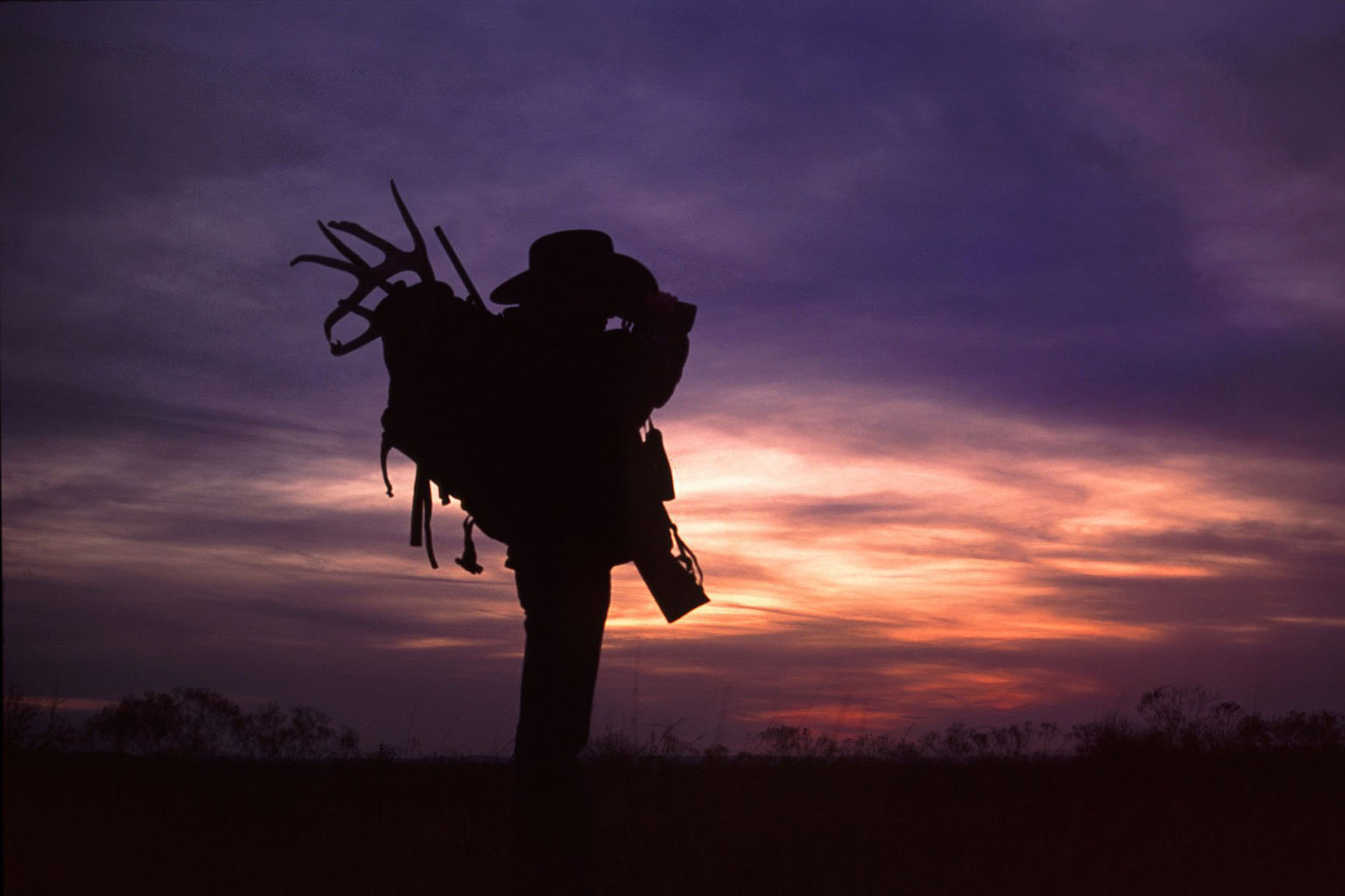
Late summer is a golden window for hunters who dream of tagging a mature buck in the early season. While many hunters wait until the first cool mornings to step into the woods, the most successful hunters are already working—quietly gathering intel long before the first shot is fired.
Late summer scouting isn’t just about spotting deer; it’s about understanding their seasonal patterns, identifying bedding and feeding areas, and preparing for the shift that comes with the first hint of fall. If you want a head start on locating a trophy buck, here are the late-summer scouting secrets that seasoned hunters rely on.
1. Focus on Food Sources First
In late summer, bucks are still in their relaxed, predictable patterns. They feed heavily to bulk up before the rut and cooler weather.
- Soybeans and Alfalfa: In agricultural areas, lush green fields are prime evening feeding locations. Watch for bucks stepping out during the last hour of daylight.
- Soft Mast: Apples, persimmons, and wild plums can pull deer out of cover as they ripen in August and September.
- Edge Browse: In areas without crops, focus on young forest edges where bucks feed on tender shoots, briars, and leafy forbs.
Pro Tip: Identify the “last bite before dark.” Early-season trophy bucks often stage 30–50 yards inside the cover before entering an open field.
2. Use Optics and Distance to Your Advantage
The biggest mistake in late-summer scouting is pressuring deer too early. Keep your presence light by observing from a distance.
- Long-Range Glassing: Set up on a high ridge, field edge, or hay bale with quality binoculars or a spotting scope.
- Evening Surveillance: Most mature bucks are most visible in the last 45 minutes of daylight—perfect for evening glassing.
- Avoid Walking Fields: Walking into their feeding areas leaves scent and risks bumping deer into a nocturnal pattern.
Silent Observation now pays off in consistent movement patterns later.
3. Strategic Trail Camera Placement
Trail cameras are your silent scouts in the late summer woods. Proper placement can reveal movement patterns without spooking deer.
- Field Edge Cameras: Place cameras 10–15 yards inside the timber line, aimed at entry points where bucks stage before entering fields.
- Mineral Licks and Water Sources: Late summer heat draws deer to water and minerals. A camera here can capture multiple mature bucks.
- Scrapes and Travel Corridors: Even though rut activity hasn’t started, bucks will often check community scrapes or use the same low-pressure travel corridors.
Pro Tip: Use scent-free gloves and minimal intrusion. Check cameras at midday or during rain to reduce impact.
4. Identify Bedding Areas Without Busting Them
Knowing where a mature buck beds is a huge advantage, but late summer requires a careful approach.
- Observe From Afar: Early morning glassing from a safe distance can reveal where deer enter cover to bed.
- Look for Thermal and Shade Cover: Bucks often bed on north-facing slopes, in creek bottoms, or in thick CRP and timber edges.
- Minimize Intrusion: Save your boots-on-the-ground scouting for the post-season or rainy days when your scent dissipates quickly.
Locating a bedding area is more about connecting the dots between feeding and travel patterns than marching into thick cover.
5. Track Movement Patterns to Predict Opening Day Behavior
The ultimate goal of late-summer scouting is to anticipate where a buck will be during legal shooting hours.
- Note Time Stamps on Camera Pics: Bucks showing up 30 minutes before dark are prime early-season opportunities.
- Follow Consistency: Mature bucks often stick to a summer routine until the first cold front or human pressure shifts them.
- Plan Your Entry and Exit Routes: Avoid crossing feeding or bedding areas; use wind and terrain to stay invisible.
This preparation allows you to hang stands or set ground blinds without alerting the deer—a key factor for opening-day success.
6. Prepare for the Seasonal Shift
Remember, summer patterns don’t last forever. By early fall:
- Food Sources Change: Acorns and hard mast pull bucks into timber.
- Velvet Shedding Increases Movement: Bucks may shift bedding as bachelor groups break up.
- Pressure Turns Deer Nocturnal: One bad intrusion can undo weeks of scouting.
Adapt your scouting notes into a hunting plan that evolves with the season.
Final Thoughts
Late-summer scouting is about patience, stealth, and precision. By focusing on food sources, using optics and cameras wisely, mapping bedding areas, and understanding movement patterns, you can pinpoint where a mature buck will likely be when opening day arrives.
The hunters who quietly put in the work now are the ones who turn the first days of the season into success stories. Scout smart, stay invisible, and you’ll enter fall with a plan that puts you one step ahead of the herd.
