
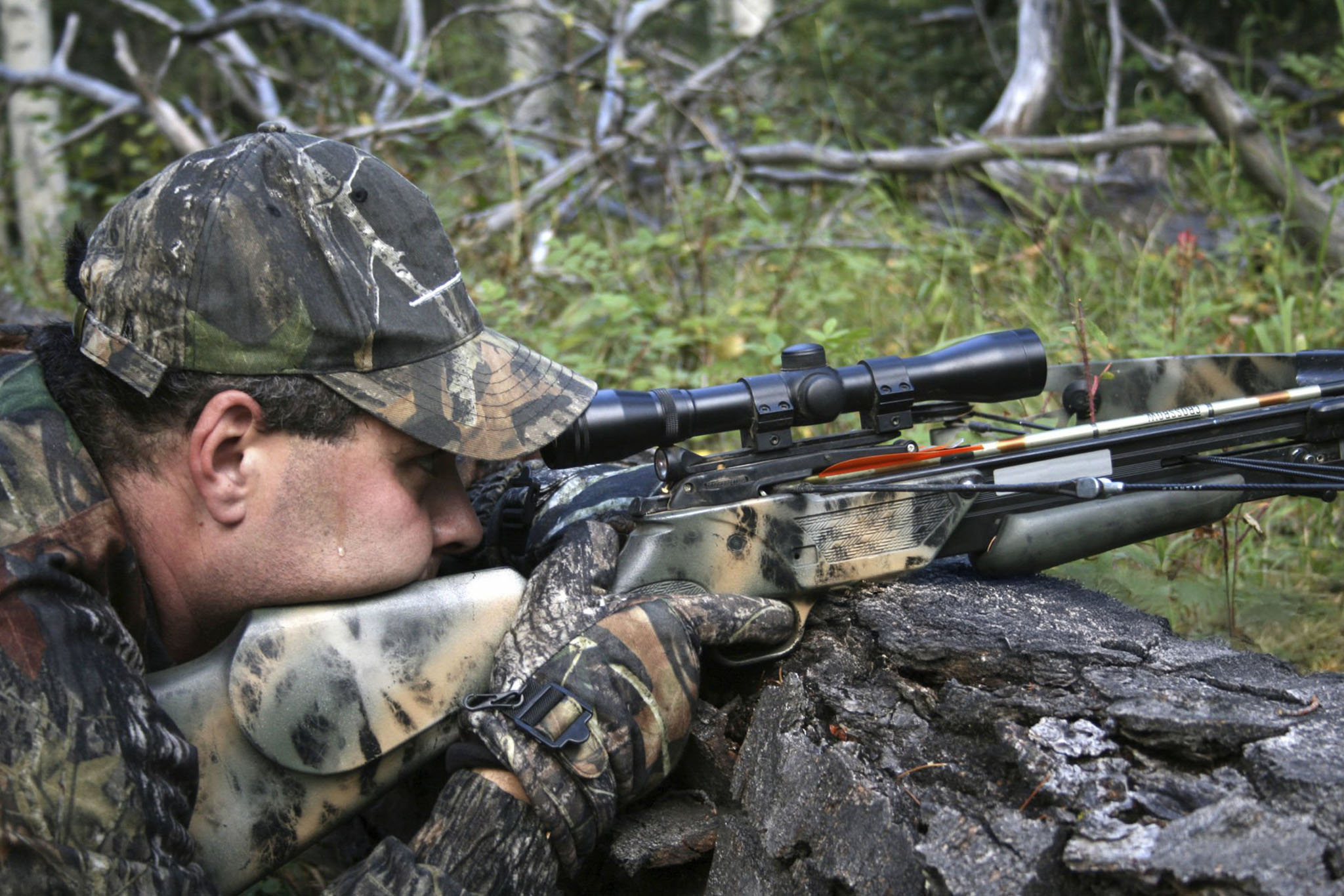
Great hunters aren’t made in the heat of the season—they’re built in the off-season. Once the last hunt wraps up, serious hunters know the months ahead are the perfect time to refine shooting technique, improve consistency, and prepare for next year’s shot opportunities.
Off-season drills are not just about keeping your trigger finger warm—they develop the muscle memory, focus, and confidence that translate into clean, ethical kills when it matters most. Whether you hunt with a rifle, bow, or shotgun, these practical exercises will help you stay sharp and deadly accurate all year long.
Why Off-Season Training Matters
Many hunters make the mistake of hanging up their weapon until the weeks before opening day. While that might be enough for casual shooters, consistent off-season training provides major advantages:
- Builds Muscle Memory: Repetition creates instinctive, automatic movements under pressure.
- Improves Confidence: Familiarity with your weapon reduces hesitation when the moment of truth comes.
- Reduces Early-Season Rust: Prevents common mistakes like trigger jerking, flinching, or poor form.
- Enhances Ethical Hunting: Accurate shooters are less likely to wound game.
The off-season is the time to refine fundamentals without the pressure of an imminent hunt.
1. Dry-Fire Drills for Perfect Form
Dry-firing—pulling the trigger on an unloaded weapon—is one of the simplest and most effective off-season drills.
- For Rifle and Shotgun Hunters: Practice mounting the gun smoothly, aligning the sights, and squeezing the trigger without disturbing your sight picture.
- For Archery Hunters: Draw your bow, anchor consistently, and release on a blank target to focus on form and follow-through.
Pro Tip: Use a snap cap for rifles and shotguns to protect firing pins during repeated dry-firing.
2. Precision Target Shooting
Off-season is your chance to slow down and work on pinpoint accuracy rather than speed or pressure.
- Rifles: Start with 100-yard groups and work on tightening your patterns before extending to longer distances.
- Bows: Focus on grouping arrows at 20 yards, then progressively move back to 30, 40, or 50 yards.
- Shotguns: Pattern your gun on paper to see how pellets spread with different chokes and loads.
Drill Idea: Record your groups in a shooting log to track improvement over the weeks and months.
3. Simulated Hunting Scenarios
Real-world accuracy isn’t built solely on the bench—hunters must replicate the conditions they’ll face in the field.
- Kneeling and Prone Shots: Practice stable shooting from kneeling, sitting, or prone positions common in hunting situations.
- Quick-Draw and Shoulder Mounts: Time yourself on how quickly you can shoulder your gun or draw your bow without sacrificing accuracy.
- Low-Light Practice: If legal in your area, train in dawn and dusk conditions with proper safety measures, since many hunting shots occur in low light.
Pro Tip: For bowhunters, practice from an elevated platform to mimic shooting from a treestand.
4. Breathing and Trigger Control
Consistency in your breathing and trigger pull separates average hunters from sharpshooters.
- Breath Control: Exhale slowly and break your shot at the natural respiratory pause to minimize body movement.
- Trigger Squeeze: Apply steady, even pressure instead of jerking the trigger, which causes missed shots.
Drill Idea: Combine breathing drills with dry-fire or live-fire sessions to train your body to stay calm under pressure.
5. Incorporate Fitness and Stability Work
Physical conditioning enhances shooting stability, especially during long hunts or spot-and-stalk pursuits.
- Core Strength: Planks, sit-ups, and resistance band rotations improve upper-body stability.
- Balance Training: Single-leg exercises or using a balance board simulates uneven terrain.
- Grip and Arm Endurance: Farmer carries, resistance bands, or light weight holds build the stamina needed to hold a rifle or drawn bow steady.
The more stable and strong you are physically, the more accurate your shots become.
6. Use Technology to Your Advantage
Modern tools make off-season training more productive:
- Laser Trainers: Simulate live shooting without ammunition.
- Archery Release Trainers: Let you practice your draw and release mechanics anywhere.
- Shot-Tracking Apps: Analyze accuracy trends and identify areas for improvement.
These tools help you sharpen your skills even when you can’t get to the range.
Final Thoughts
Off-season training is where good hunters become great hunters. By incorporating dry-fire drills, precision shooting, real-world simulations, and physical conditioning into your routine, you develop the discipline and accuracy needed for confident, ethical shots when hunting season returns.
Every arrow released or trigger squeezed in the off-season is an investment in your next successful hunt. The hunter who trains year-round enters the woods with quiet confidence—and often leaves with the story every hunter wants to tell.
