
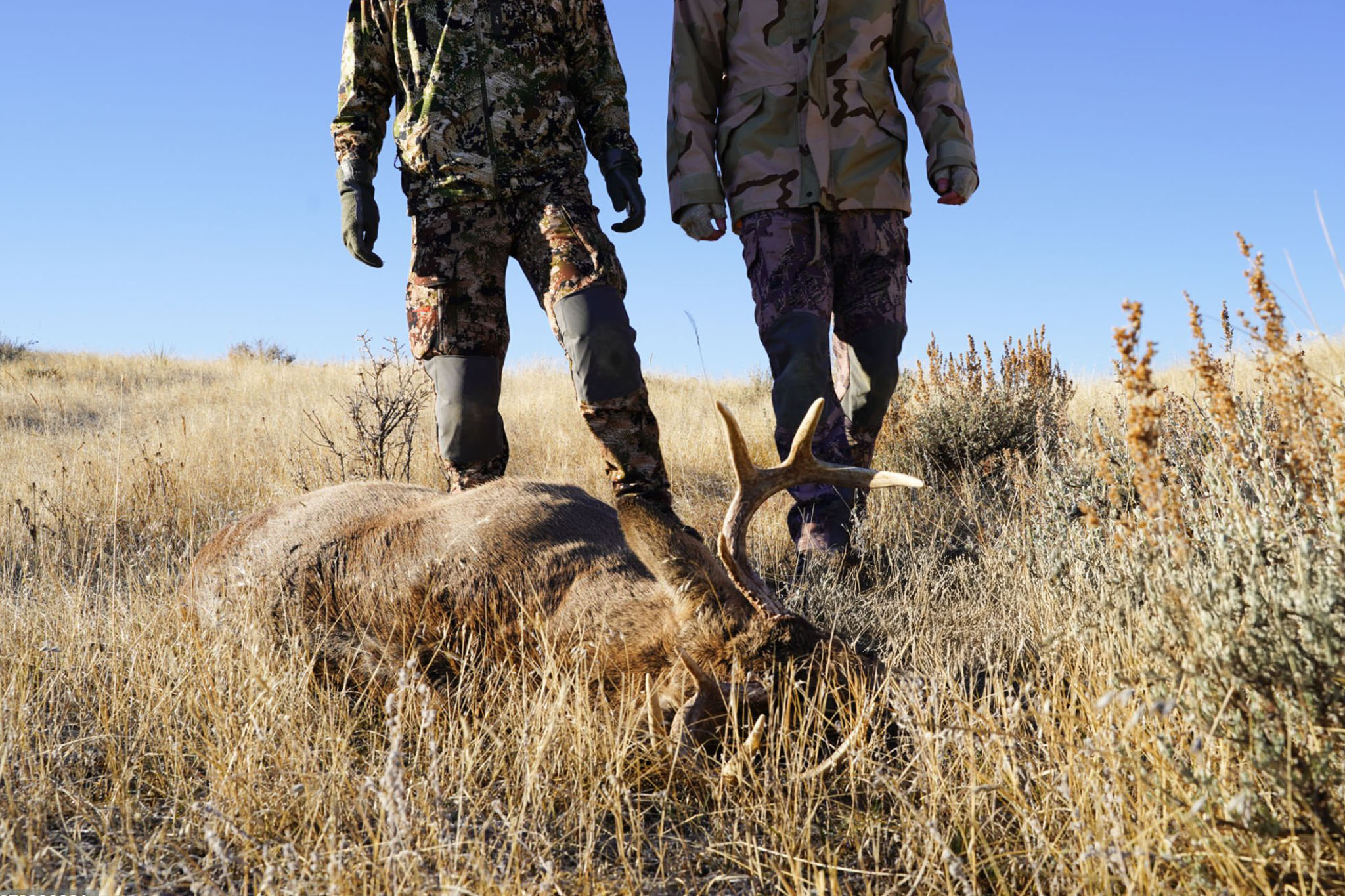
Early-season hunting is a test of versatility, patience, and grit. Unlike the peak rut or late-season cold-weather hunts, the early season throws hunters into a variety of challenging conditions—steamy marshes, mosquito-heavy swamps, and wide-open agricultural fields. Success requires adapting to different environments, reading game behavior in warm weather, and staying comfortable and concealed.
From waterfowl to whitetails, early-season hunts can push your skills to the limit. Here’s how to tackle the swamps and fields that define the start of hunting season.
1. Swamp Hunts: Mastering Wetland Challenges
For many hunters, early-season starts in the marsh. Ducks, geese, and sometimes even deer thrive in wetland environments, but hunting swamps and flooded timber comes with its own set of obstacles.
Key Challenges
- Unstable Terrain: Mud, knee-deep water, and slick logs can slow you down and exhaust you quickly.
- Bugs and Heat: Early fall often feels like late summer, with mosquitoes, gnats, and humidity adding to the challenge.
- Limited Visibility: Cattails, willows, and flooded timber can hide game and limit shot opportunities.
Tactics for Swamp Success
- Arrive Early and Stay Quiet: Waterfowl and swamp deer are sensitive to disturbance. Approach your hunting spot before first light to let the area settle.
- Use Waders and Waterproof Gear: Staying dry is critical. High-quality chest waders and waterproof hunting boots prevent cold, wet misery.
- Scout with Binoculars and Trail Cams: Even in wetland areas, glassing from levees or placing trail cameras on high ground can reveal patterns without disturbing game.
- Blend with the Environment: Swamp hunts demand excellent camouflage and natural concealment. Tuck into vegetation or use a portable blind to break up your silhouette.
2. Field Hunts: Patience and Precision
On the opposite end of the spectrum, early-season field hunts demand a completely different skill set. Wide-open agricultural fields, pastures, and cut crop lands offer visibility but little natural cover. This is the domain of doves, geese, and early-season whitetails.
Key Challenges
- Minimal Cover: Wide-open terrain means you must rely on blinds, decoys, or distant setups.
- Long-Range Observation: Game often appears far from your position, requiring optics and patience.
- Unpredictable Movement: Animals can shift feeding areas based on crop harvests, weather, and hunting pressure.
Tactics for Field Success
- Pattern Feeding Behavior: Early-season whitetails and waterfowl often follow strict routines to and from food sources. Scout at dawn and dusk to pinpoint travel routes.
- Use Layout Blinds and Natural Cover: If the field is bare, a low-profile blind or a patch of standing crops can conceal your movement.
- Bring Quality Optics: Spotting scopes or 10x binoculars help identify game at long distances without unnecessary movement.
- Prepare for Longer Shots: Open fields often demand precise shooting. Practice from prone or seated positions before the season begins.
3. Essential Skills for Early-Season Hunters
No matter where you hunt, early-season success relies on mastering key skills that let you adapt to varying environments.
Physical Endurance
Early-season hunting often means heat, humidity, and long hikes through water or fields. Conditioning and hydration are critical.
Scent and Noise Management
Game is on edge in the early season. In fields, your scent can carry for hundreds of yards; in swamps, sound travels across open water. Move slowly and stay scent-free.
Gear Preparedness
From chest waders to lightweight camo, gear can make or break an early-season hunt. Key items include:
- Breathable Hunting Clothes: Hot weather requires moisture-wicking fabrics.
- Waterproof Boots or Waders: Dry feet mean longer, more comfortable hunts.
- Bug Protection: A head net or insect repellent is essential in swamps.
- Quality Optics and Rangefinder: Early-season hunts often require spotting game from a distance.
4. Balancing Swamps and Fields for Maximum Opportunity
Many hunters focus on one terrain, but early-season versatility pays off. For example:
- Morning Swamp Hunt + Evening Field Hunt: Start your day with ducks or geese in the marsh, then transition to deer or doves in the evening.
- Multi-Species Flexibility: Scouting multiple environments gives you backup plans if conditions change or pressure rises.
- Adapting to Weather: Rain favors swamps; clear, dry days often favor fields. Stay flexible to maximize success.
Final Thoughts: Early-Season Rewards the Prepared
Early-season hunting is far from easy. Swamps test your patience and endurance, while fields demand precision and stealth. Hunters who adapt to both environments, scout diligently, and prepare gear for the elements stand the best chance of success.
When the first cool mornings arrive and the marsh mist lifts over a golden soybean field, you’ll know all the effort was worth it. Early-season hunts may test your skills—but they also create the stories and memories that define a great fall hunting season.
