
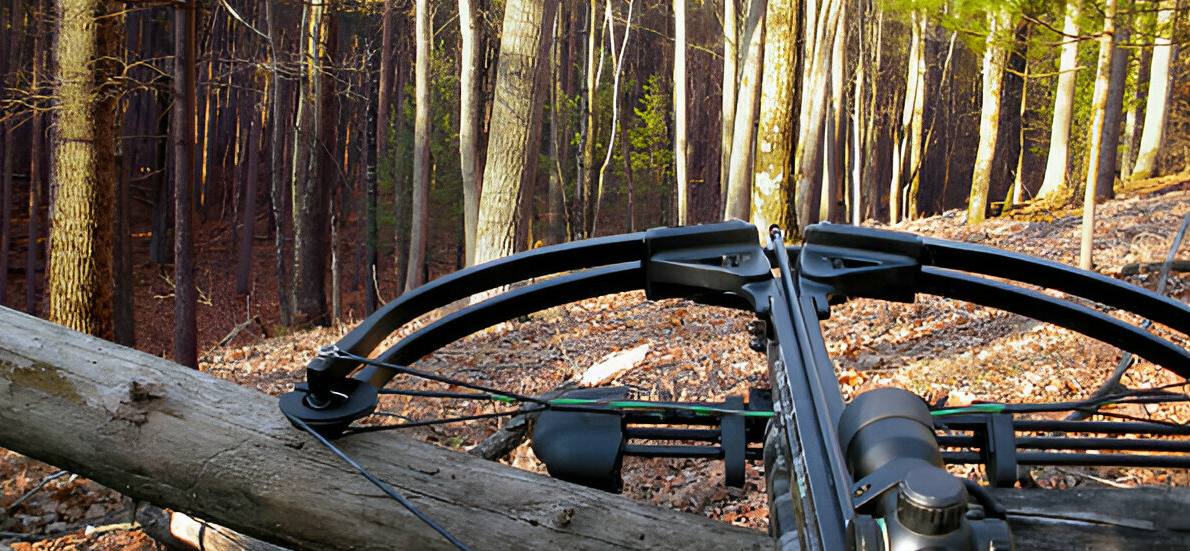
Fall hunting season is right around the corner, and the best hunters know that success doesn’t happen by accident—it’s built on preparation. The weeks leading up to opening day are critical for laying the foundation for a productive season. Whether you’re chasing whitetails in hardwoods, elk in the mountains, or waterfowl in the marsh, the formula for success comes down to three pillars: scouting, shooting practice, and staying ready.
In this guide, we’ll break down each of these steps to help you enter fall hunting season with confidence and a clear plan.
1. Scouting: Know the Land and the Game
Effective scouting is the backbone of any successful hunt. Before you ever climb into a stand or set up a blind, you need to understand how and where the game is moving.
Use Multiple Scouting Methods
- Glassing and Long-Range Observation: Binoculars and spotting scopes let you watch fields, ridges, or wetlands from a distance without disturbing game.
- Trail Cameras: Modern trail cams or cellular cameras give 24/7 insights into movement patterns, letting you spot target animals before season.
- Boots on the Ground: Walking the property carefully, looking for tracks, droppings, rubs, scrapes, or feeding sign, is still one of the most effective scouting methods.
Identify Key Travel Patterns
- Feeding to Bedding Routes: Deer, elk, and even turkeys often follow reliable paths between food and cover.
- Water Sources: Creeks, ponds, and swamp edges are magnets for both game and predators.
- Natural Funnels: Saddles, timber lines, and narrow draws force animals through predictable spots—perfect ambush locations.
The goal of late-summer and early-fall scouting isn’t just spotting game but building a plan for where and when to hunt based on real movement patterns.
2. Shooting: Sharpen Your Skills Before the Season
The best time to fix accuracy problems isn’t during the hunt—it’s right now. Whether you shoot rifle, shotgun, or bow, pre-season practice ensures that when the moment of truth comes, your shot is second nature.
Practice Like You Hunt
- Simulate Real Positions: Practice shooting from kneeling, sitting, or leaning against a tree, not just off a bench rest.
- Shoot at Hunting Ranges: If you’ll be taking 30-yard bow shots or 200-yard rifle shots in the field, practice at—and beyond—those ranges.
- Incorporate Time Pressure: Deer or ducks don’t wait. Practice drawing, aiming, and firing quickly and accurately.
Maintain and Check Your Gear
- Inspect Your Firearm or Bow: Check strings, bolts, scopes, and triggers. Clean and oil everything.
- Sight-In and Confirm Zero: Temperature, humidity, and travel can affect accuracy. Confirm your sights or scope are dialed in.
- Test Ammunition or Arrows: Different loads or broadheads may fly differently. Always test before season.
Hunters who invest time in realistic shooting practice dramatically increase their odds of making ethical, one-shot kills in the field.
3. Staying Ready: Physical Prep and Gear Readiness
Even the best scouting and shooting won’t pay off if you’re not physically and mentally ready for the hunt. Hunting can be demanding, from hiking into remote elk country to hauling gear into flooded timber for waterfowl.
Physical Preparation
- Conditioning Counts: Simple hikes, weighted pack walks, or cardio workouts make long hunts easier and safer.
- Strength Matters: Dragging a deer or packing out an elk requires leg and core strength. Pre-season workouts save energy later.
- Flexibility and Endurance: Climbing stands, wading through marshes, or crouching in blinds are easier with flexible muscles.
Gear Readiness
- Layered Clothing for Fall Weather: Mornings can be cold and afternoons warm. Prepare for fluctuating temps.
- Waterproof Boots and Gloves: Nothing ruins a hunt like wet, cold feet or hands. Invest in quality hunting boots or waders if you’ll be in swampy or wet terrain.
- Pack Essentials: Rangefinder, extra ammo, headlamp, first-aid kit, and snacks should always be ready to go.
Mental Preparation
- Patience and Observation: Early-season hunts require stillness and focus.
- Safety Awareness: Know your property lines, identify safe shooting lanes, and carry a charged phone or GPS device.
By staying physically and mentally prepared, you’ll be ready to capitalize on the opportunities your scouting and shooting practice create.
Final Thoughts: Preparation Turns into Opportunity
Fall hunting success is rarely about luck. Hunters who scout smart, practice hard, and stay prepared consistently fill their tags year after year.
By investing time before the season—mapping travel routes, dialing in your weapon, and ensuring you’re ready for long days outdoors—you turn potential encounters into successful harvests. When the leaves start to turn and that first buck or flock of geese appears within range, you won’t be hoping for luck—you’ll be ready.
