
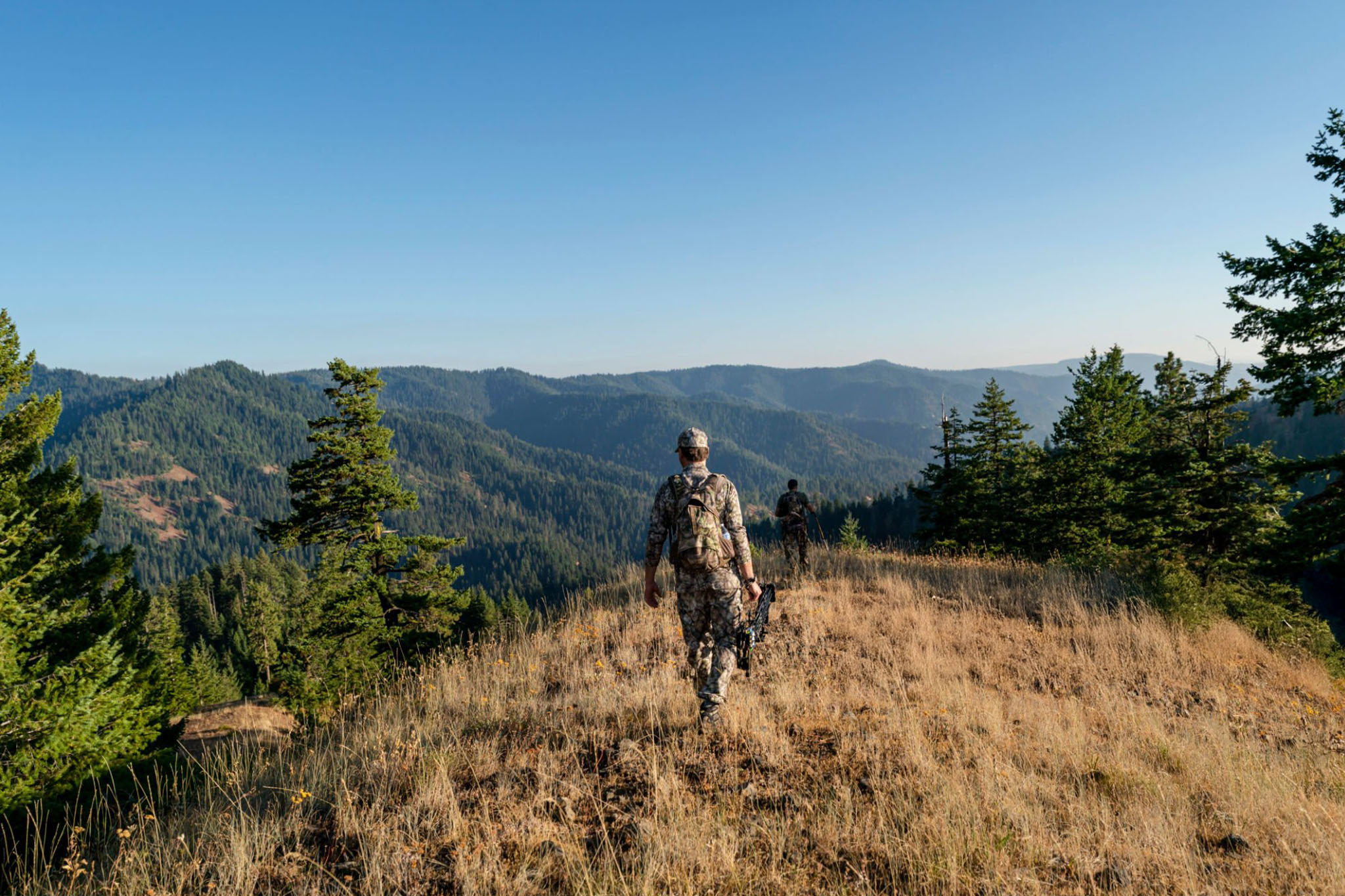
The pre-rut is one of the most exciting and strategic times for deer hunters. Bucks are beginning to shift from their laid-back summer routines into the restless stage that precedes full-blown rutting behavior. They’re checking scrapes, expanding their range, and looking for the first receptive does—but they’re still somewhat predictable if you play it smart.
To turn this window into a successful hunt, you need to understand the subtle changes in deer behavior and adjust your tactics accordingly. Below are seven expert tips to help you tag that trophy buck during the pre-rut this fall.
1. Locate Core Buck Areas Early
During the pre-rut, bucks are still somewhat tied to their core areas, often within a few hundred acres. They start expanding slightly but haven’t yet gone into the unpredictable, all-day roaming mode of the peak rut.
- Scout Bedding and Transition Zones: Bucks usually leave bedding areas in the evening to feed but take secure paths along cover.
- Glass From a Distance: Evening glassing sessions can help you identify where mature bucks are moving without alerting them.
- Use Historical Data: If you’ve logged trail cam activity from past seasons, check for consistent patterns—they often hold true during the pre-rut.
2. Key in on Fresh Scrapes and Rub Lines
The pre-rut is the time when bucks begin leaving clear sign of their presence. Scrapes and rubs are their way of claiming territory and checking for early does.
- Find Primary Scrape Lines: Look along field edges, logging roads, and near water sources. Bucks often visit these at night but cruise nearby during shooting hours.
- Hunt Downwind of Scrapes: Never sit right over the scrape—set up downwind on a trail or pinch point where the buck will travel.
- Rubs Reveal Direction: Rub lines can indicate travel patterns. Multiple fresh rubs leading from bedding to feeding areas are hotspots for pre-rut hunts.
3. Play the Wind Like a Pro
Pre-rut bucks are cautious and still using their noses constantly. The smallest scent mistake can ruin your hunt.
- Always Hunt the Wind: Choose stand locations where your wind is blowing away from trails and bedding areas.
- Use Thermals to Your Advantage: Cool mornings can pull your scent downhill; warm evenings can push scent upward. Adjust accordingly.
- Scent Control Is Key: Wash hunting clothes in scent-free detergent, store gear outside or in sealed bins, and use scent-free boots when approaching your stand.
4. Hunt Funnels and Pinch Points
As bucks begin roaming more, they often use terrain features that naturally guide their movement.
- Creek Crossings and Saddles: Bucks love using terrain that allows safe, covered travel.
- Field Edge Funnels: A thin strip of timber between two fields can be a pre-rut goldmine.
- Transition Lines: Look for the edge where thick cover meets open hardwoods—these edges act as natural highways for cautious bucks.
5. Use Calls and Scents Conservatively
During the pre-rut, bucks respond to curiosity more than aggression. Overdoing calls or scents can spook them.
- Soft Grunts Over Rattling: Short, subtle grunts can pull a buck within range without alarming him.
- Use Mock Scrapes Strategically: Fresh urine-based scents can make a mock scrape irresistible, especially if paired with a trail camera to monitor activity.
- Avoid Early Overcalling: Save aggressive rattling for peak rut; pre-rut bucks are cautious and might slip away quietly.
6. Be Ready for Midday Movement
While pre-rut activity peaks in early morning and late evening, don’t underestimate midday opportunities.
- Bucks Start Cruising Early: As daylight hours shorten, mature bucks begin checking known doe bedding areas midday.
- All-Day Sits Pay Off: If your schedule allows, spending more hours in the stand increases odds of crossing paths with a moving buck.
- Pack Smart Gear: Bring a comfortable seat, snacks, and layers to endure a long sit—mobility can cost you opportunities during pre-rut.
7. Stay Flexible and Adapt Quickly
The pre-rut is a short, transitional window. Bucks may shift patterns almost overnight as weather, crop harvests, or hunting pressure change their movements.
- Track Weather and Moon Phases: Cooler fronts and rising moon activity often increase daylight movement.
- Move When Sign Tells You: If a hot scrape line pops up or trail cameras show a daylight pattern, don’t hesitate to adjust your setup.
- Stay Low-Impact: If you need to shift stands, do it mid-day to reduce the risk of bumping deer.
Final Thoughts: Patience Meets Precision
The pre-rut isn’t as chaotic as the peak rut, but that’s exactly why it’s a sweet spot for smart hunters. Bucks are active enough to give you a chance but predictable enough to pattern if you do your homework.
By focusing on wind, terrain, fresh sign, and subtle tactics, you can stack the odds in your favor this fall. Make your first sit count, and you just might wrap your tag around a heavy-antlered buck before the rut even begins.
