
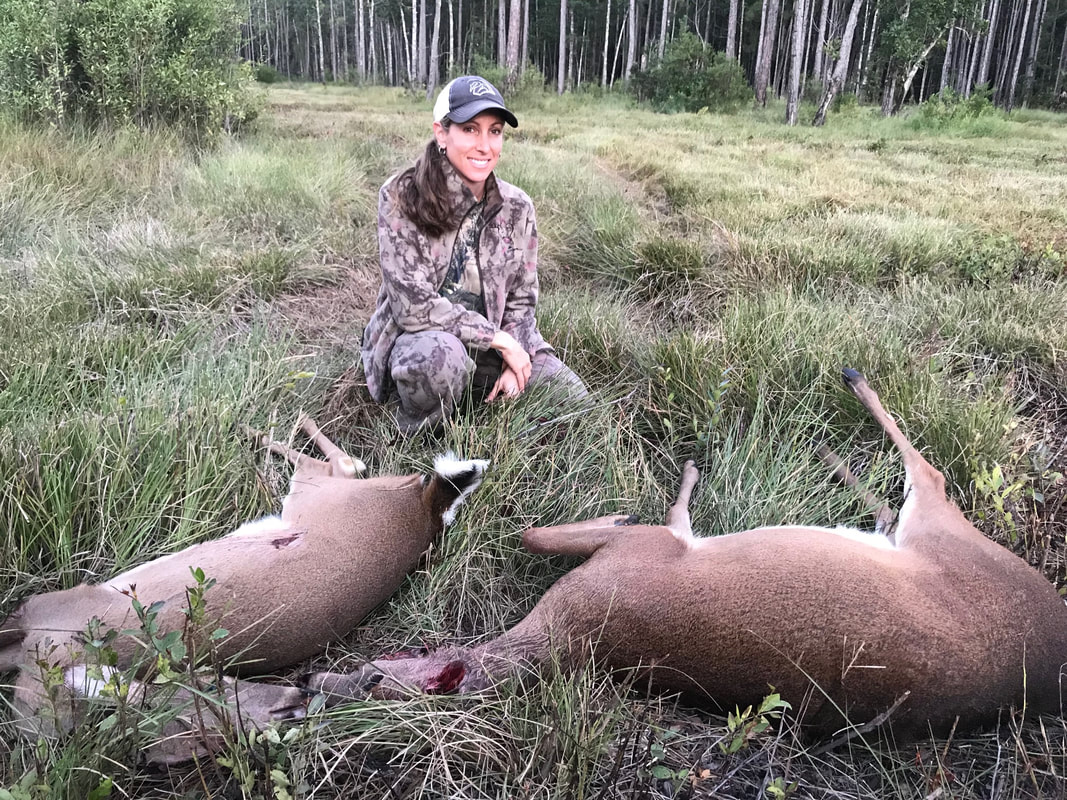
Late summer is a magical yet fleeting window in the whitetail hunter’s calendar. Bucks are still wearing velvet, their antlers reaching full potential, and their movement patterns are predictable but about to change. As September approaches and the velvet begins to shed, bachelor groups break apart, and the deer you’ve been watching may seem to vanish overnight.
If you want to tag a mature buck early this fall, now is the time to gather intel that will pay dividends once hunting season begins. Here’s how to make the most of your late summer scouting efforts.
1. Understand Late Summer Buck Behavior
Bucks in late summer are creatures of habit. They maintain a fairly tight home range, usually close to high-quality food and secure bedding cover. Unlike the chaos of the rut, their daily routine is predictable:
- Bed in cover during the heat of the day.
- Move to staging areas in the late afternoon.
- Feed in agricultural fields, food plots, or natural browse at night.
However, as velvet shedding approaches, these patterns will soon shift. Testosterone increases, bachelor groups split, and bucks start preparing for fall dominance. Scouting now is about capitalizing on the last predictable weeks before that transition.
2. Use Optics to Minimize Pressure
The key to late summer scouting is low intrusion. Spooking a mature buck now can push him into a nocturnal pattern that might last into hunting season.
Glass From Afar
- Best Times: Dawn and dusk are prime for spotting feeding and staging activity.
- Tools: High-quality binoculars or a spotting scope.
- Locations: Overlook fields, food plots, or clearings from a distant vantage point.
Pro Tip:
Bring a tripod for your optics. Steady glassing sessions let you pick apart the edges of fields and spot subtle movement before a buck steps out fully.
3. Deploy Trail Cameras Strategically
Trail cameras are your 24/7 scouting partner, but placement and timing are critical in late summer.
- Field Edges: Place cameras where bucks enter or exit bean fields, clover plots, or orchards.
- Mineral Sites or Water Sources: Late summer heat drives bucks to water and mineral licks.
- Mock Scrapes: Though scraping is minimal now, bucks will investigate scent and leave early sign.
Camera Tip:
Use cellular trail cameras if possible. They eliminate repeated trips to check SD cards, which keeps your presence minimal.
4. Locate Bedding-to-Feeding Corridors
Late summer scouting isn’t just about seeing bucks—it’s about understanding how they travel.
- Look for faint trails leading out of thick bedding cover toward fields.
- Pay attention to staging areas—small openings where bucks linger before hitting large food sources.
- Watch wind direction during observation to connect entry and exit routes.
Mapping these corridors now allows for low-impact stand placement in early fall.
5. Prepare Stands for Early Season Ambushes
Once you identify a buck’s late summer pattern, it’s time to set up quietly for opening week success.
- Hunt the Edges, Not the Core: Focus on field edges and staging areas rather than deep bedding zones.
- Use Entry and Exit Routes Carefully: Avoid walking through feeding areas; approach stands from the downwind side.
- Trim Shooting Lanes Early: Doing this in August ensures minimal disturbance once the season starts.
6. Don’t Overlook Water Sources
Late summer heat can make waterholes a magnet for bucks.
- Scout creeks, ponds, or man-made tanks for tracks and fresh sign.
- A stand near water with wind in your favor can produce a perfect early-season opportunity.
7. Know When to Back Off
While late summer scouting is invaluable, the goal is to gather intel without changing behavior.
- Avoid walking through bedding areas.
- Limit field visits to low-light, glassing sessions or camera maintenance once every 2–3 weeks.
- If you bump a mature buck repeatedly, he may shift to nocturnal patterns before the season even starts.
Final Thoughts
Late summer is a high-stakes, short-lived scouting period. By combining long-range observation, smart camera placement, and an understanding of bedding-to-feeding movement, you can pinpoint the exact spots where bucks will be vulnerable before the velvet comes off and patterns change.
Make your moves now, stay undetected, and your early-season stand could be the spot where your scouting work pays off in the form of a heavy-antlered buck stepping into bow range.
