
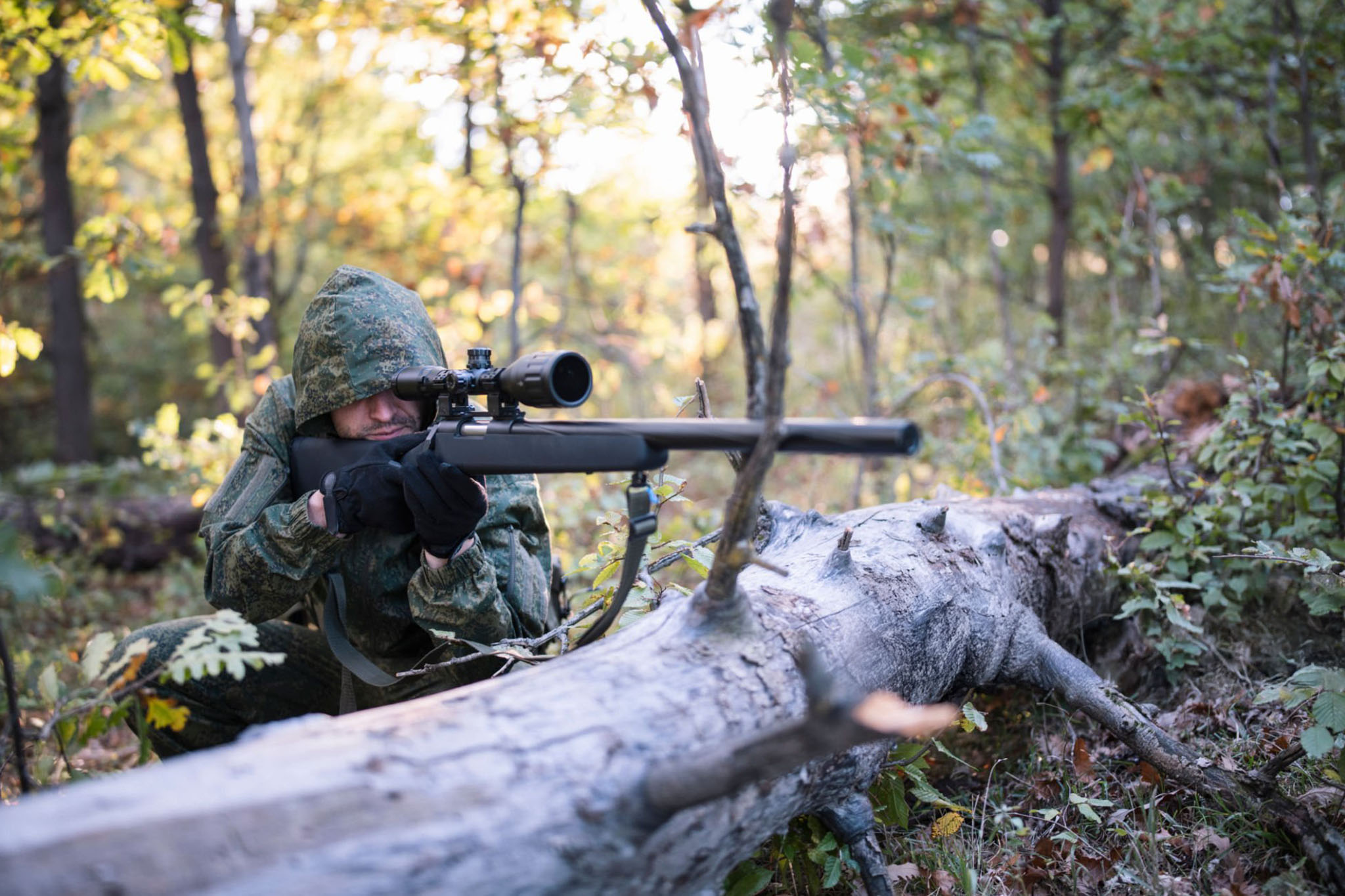
In a world of tree stands, ground blinds, and high-tech gear, still hunting remains one of the most traditional—and effective—methods for pursuing big game. Unlike spot-and-stalk or stand hunting, still hunting is about patience, stealth, and reading the woods as you move. Done right, it can bring you face-to-face with mature bucks, wary elk, or even black bears without them ever knowing you’re there.
If you’ve ever wanted to trade speed for precision and truly master the art of moving less to hunt smarter, this guide will give you the tools and mindset to succeed.
What Is Still Hunting?
Still hunting is not standing completely still. Instead, it’s a slow, methodical way of moving through the woods, taking a few steps at a time, and using your senses to detect game before it detects you.
The goal is to blend into the natural rhythm of the forest:
- Walk a few steps.
- Pause. Listen. Scan.
- Move again only when the woods feel “settled.”
In dense timber, swamp edges, or mixed hardwood ridges, this method allows hunters to intercept game naturally moving in feeding or bedding areas.
1. Slow Down—Then Slow Down Even More
The biggest mistake new still hunters make? Moving too fast.
Most hunters cover too much ground, leaving noise and scent behind them. Animals notice the difference between natural forest sounds and the steady crunch of human footsteps.
- Adopt the “10:1 Rule”: For every 10 seconds of movement, pause for at least 1 minute.
- Use landmarks: Pick a tree or rock 10–15 yards away and make that your next stop, scanning the woods before taking the next step.
- Listen more than you walk: You’re hunting with your ears as much as your eyes.
Pro Tip: In wet, quiet conditions, you can move more freely. On dry, crunchy leaves, think “one step, freeze” to avoid giving away your position.
2. Master Wind and Scent Control
Still hunting brings you into an animal’s world, and scent can ruin a hunt faster than movement.
- Always move with the wind in your favor. A crosswind or steady headwind is ideal.
- Monitor thermals: In the morning, rising thermals lift your scent; in the evening, cool air sinks scent downhill.
- Minimize human odor: Use scent-free detergents, avoid strong soaps, and store gear outside of the house if possible.
Key Takeaway: If the wind isn’t right, don’t force a still hunt. Choose a different path or save the area for another day.
3. Blend In Like the Forest Itself
Camouflage isn’t just about your clothing—it’s about how you interact with the landscape.
- Use natural cover: Trees, brush, and terrain features break up your outline.
- Avoid skylining: Walking along ridges or open edges makes you highly visible to game.
- Wear soft, quiet fabrics: Wool or fleece produces less noise than stiff synthetic gear.
Some veteran still hunters even add bits of local vegetation to their hat or backpack straps for extra breakup in thick cover.
4. Use Optics and Your Ears Before Your Feet
Patience is the still hunter’s best weapon. Before taking another step:
- Scan with binoculars: Focus on horizontal lines that don’t belong—like a deer’s back or a turkey’s tail fan.
- Look for movement, not the whole animal: An ear flick, a tail twitch, or the curve of an antler often reveals the game first.
- Listen for subtle cues: Breaking twigs, acorn crunching, or the faint “blow” of a spooked deer can give away positions.
Pro Tip: Train yourself to notice patterns that break the natural flow—your eyes should always be hunting for what doesn’t fit.
5. Time Your Hunt for Maximum Stealth
Certain times of day and year lend themselves to successful still hunting.
- Mornings after light rain or snow: Quiet forest floors and moisture-dampened leaves let you slip in silently.
- Midday bedding hours: Bucks and elk are often settled, making it easier to catch them unaware in thick cover.
- Early and late season: When hunting pressure is low or foliage is thick, still hunting can give you the edge.
Avoid high-wind days—swirling scent and constant noise make it hard to detect game or remain undetected.
6. Know When to Stop Hunting and Start Waiting
Sometimes, the smartest move in still hunting is to stop hunting entirely.
- If you spot fresh sign, tracks, or bedding areas, freeze and watch for 15–20 minutes before moving.
- Use your stopping points like mini-ambushes—wildlife will often reveal itself if you give it time.
- Treat each pause as a micro-hunt rather than just a break.
7. Gear That Enhances Still Hunting Success
You don’t need a heavy loadout, but strategic gear can make still hunting more productive:
- Lightweight daypack for snacks, water, and layers.
- Quiet boots or moccasin-style footwear to minimize footfall noise.
- Binoculars and rangefinder for spotting and measuring distances without moving.
- Compact seat or cushion for impromptu ground setups.
Keeping your gear streamlined and silent is key—you’re the hunter, not a marching parade.
Final Thoughts
Mastering still hunting isn’t about covering miles or chasing game; it’s about blending into the rhythm of the woods. Move less, observe more, and let the forest reveal its secrets. By slowing down, using the wind, and treating every step as a calculated decision, you’ll turn the wilderness into your hunting ally.
When done right, still hunting transforms a simple walk in the woods into a thrilling chess match with nature—one where patience and precision always beat speed.
