
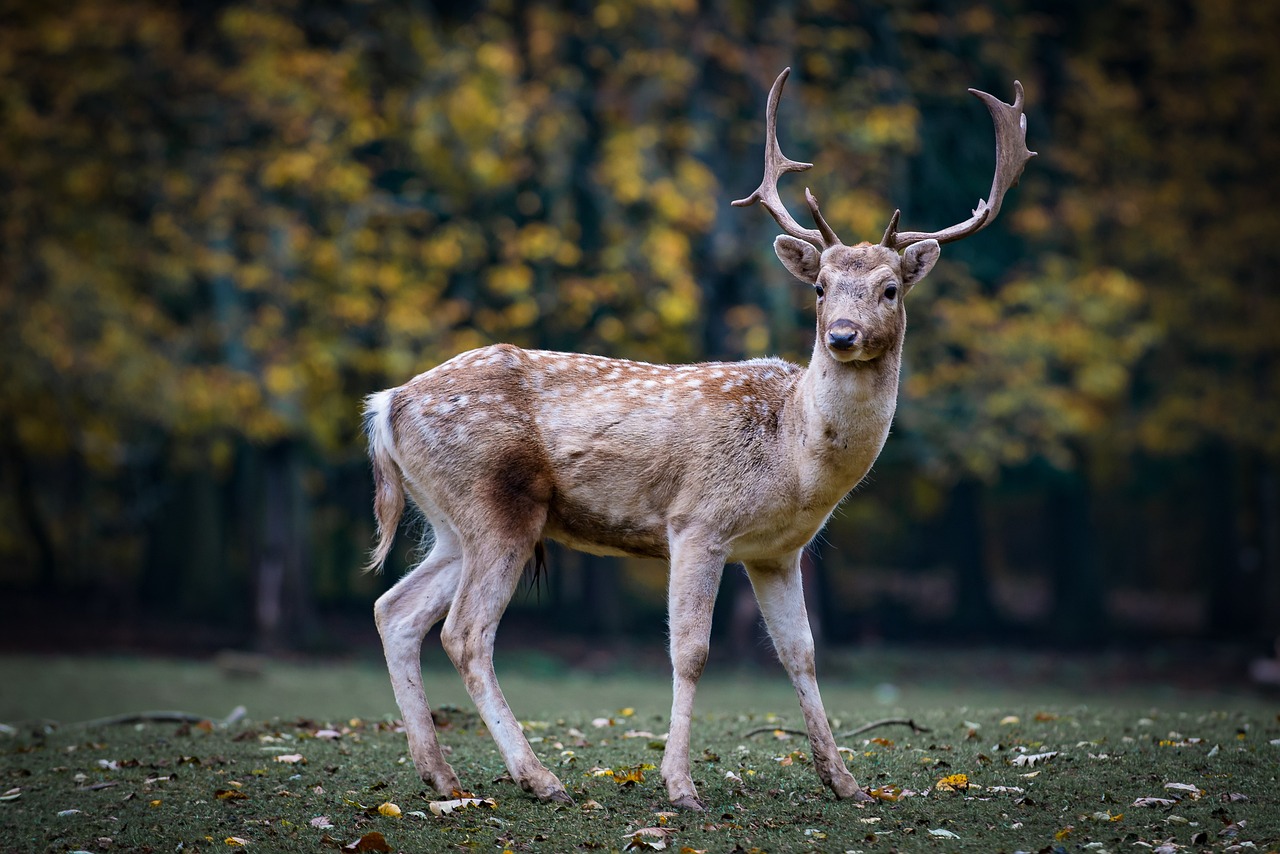
When the leaves turn and the woods come alive with the chaos of the rut, it’s go-time for serious deer hunters. The fall rut—arguably the most exciting part of whitetail season—offers a rare opportunity to put mature bucks on the ground. But while bucks may be on the move, they’re not dropping their guard entirely. That means you need a plan, not just hope.
Whether you’re hunting public land, private timber, or farmland edges, these tactical strategies will help you get into bow or gun range of rut-crazed giants.
1. Hunt All-Day—Yes, All Day
During peak rut, bucks may cruise at any time of the day looking for receptive does. If you’re still packing it in by 10 a.m., you’re leaving mature buck sightings on the table. Midday movement (11 a.m. to 2 p.m.) can be red-hot, especially after a cold front.
Pro Tip: Pack a thermos of coffee, lunch, and layers so you can comfortably stay on stand from dark to dark. The hunter who sticks it out often tags out.
2. Focus on Downwind Sides of Doe Bedding Areas
Bucks know where does bed. During the rut, they’ll scent-check these spots from the downwind side. If you’re hunting near thick cover or known bedding, set up 30–60 yards downwind of it, ideally with good concealment and a quiet entry route.
Why it works: Mature bucks tend to cruise just outside the cover—still cautious, but love-drunk enough to make mistakes. This is where your opportunity lies.
3. Use Grunt Tubes and Snort-Wheezes Strategically
Calling can absolutely pull a rutting buck in—but timing and realism matter. During the seeking and chasing phases, a series of tending grunts followed by a snort-wheeze can simulate a buck harassing a hot doe. That gets the attention of territorial rivals.
Do this:
- Call when you’ve got decent cover.
- Wait for a natural lull in the woods—dead calm, just before dark, or after a distant deer sighting.
- Be ready. Bucks can come in silently or crash in like a freight train.
4. Hunt Funnels and Terrain Pinch Points
As bucks cover ground, they naturally take the path of least resistance. Saddles, creek crossings, fence gaps, and inside corners are natural funnels. During the rut, these travel routes get heavy traffic from both bucks and does.
Best approach:
- Scout ahead of time using topo maps or apps like OnX or HuntStand.
- Hang a stand on the downwind side of the funnel, and be in place well before first light.
- Avoid overhunting—use these spots when the conditions (wind, timing) are right.
5. Don’t Chase the Action—Play the Long Game
It’s tempting to bounce from spot to spot trying to catch a hot doe or a glimpse of chasing activity. But often, that just spreads your scent and pressure. The better move? Find a high-odds spot and trust it.
Set up near known bedding or travel corridors, and be patient. Let the rut do the work for you. Bucks will eventually swing through, and if you’ve scouted well, you’ll be waiting when they do.
6. Scent Control Still Matters
Yes, bucks are distracted, but they’re not dumb. They’ll still wind you and bolt if you’re sloppy with scent. During the rut, your scent cone might be the only thing giving you away.
Do this:
- Shower with scent-free soap.
- Use ozone generators or activated carbon gear bags if available.
- Spray down, but also pay attention to your breath, boots, and backpack—common scent bombs.
7. Use Decoys with Caution—and Realism
A full-body buck or doe decoy can be deadly in the open, especially on field edges. But the setup has to make sense. Use a doe decoy with a small buck nearby to trigger jealousy. Or use a lone intruder buck with a snort-wheeze call to bait aggression.
Placement tip: Put the decoy 20–30 yards out, quartering toward you. Bucks will often circle to approach head-on, offering a broadside shot.
8. Mind the Moon and Weather Patterns
Rut activity doesn’t just depend on the calendar. Cold snaps, barometric pressure drops, and moon position all affect deer movement. Focus your hunting when:
- Temps dip 10+ degrees below average.
- Winds calm after a front.
- The moon is overhead or underfoot during dawn/dusk.
This might mean calling in sick on a Tuesday and skipping that slow Saturday hunt.
9. Use Trail Cameras as Intel, Not Entertainment
Don’t just check trail cams and get excited. Use them to learn patterns. During the rut, bucks may only hit a camera spot once every few days while on the move. But if you see a cruiser at 10 a.m. two days in a row, that’s a pattern worth hunting.
Pro move:
Run cams on scrapes and funnels. Use cellular cams if legal to get real-time data without disturbing the area.
10. Grind It Out
Some days, you won’t see a thing. Others, you’ll witness chaos in the woods like never before. The rut is unpredictable, but it rewards grit and consistency. The hunter who sits longer, scouts smarter, and plays the wind better is the one punching tags.
Final Thoughts
The fall rut is magic. It’s the time when mature bucks throw caution to the wind—but only briefly. Your job is to be in the right place, at the right time, with the right strategy to capitalize on that moment. Be smart, be patient, and most importantly, be out there.
Because the best way to tag a giant is to hunt like you believe he’s already on his way.
