
Whether you’re a seasoned woodsman or just getting your boots dirty for the first time, whitetail hunting remains one of the most challenging and rewarding pursuits in North American hunting. With deer populations shifting, hunting pressure increasing, and gear constantly evolving, it pays to revisit the fundamentals—and pick up a few new tactics along the way.
Here are 10 time-tested tips that will give you a clear edge this season.
1. Hunt Midweek for Less Pressure
Weekend warriors often pack the woods, especially during rifle season. Try slipping into your stand on a Tuesday or Wednesday morning. Deer quickly adjust to pressure, and by midweek, their patterns often stabilize again—making them more killable if you’re there when others aren’t.
2. Skip the Corn—Plant a Killer Plot Instead
Bait piles may bring does, but mature bucks are wary. Instead of dumping feed, consider planting a fall food plot mix with cereal rye, brassicas, and clover. These mimic natural browse and keep deer feeding comfortably during daylight.
3. Ground Scent Matters More Than You Think
You can have the best stand location in the world, but if you track your scent in on the wrong wind or walk through bedding cover, you’re toast. Spray your boots with scent eliminator, wear rubber soles, and use entry routes with wind in your favor—every time.
4. Hang Trail Cams Off the Beaten Path
Most hunters slap trail cams on obvious game trails. Big mistake. Mature bucks often skirt heavy traffic and use secondary trails. Try hanging cams 30-50 yards off the main line. You’ll catch ghosts most guys never see.
5. Hunt Cold Fronts, Not the Calendar
You don’t need a magic date circled. What you need is a temperature drop of 10 degrees or more, with high pressure and a north or northwest wind. These weather events trigger deer to move early and often. Plan your vacation around fronts, not the opener.
6. Mix Up Your Calling
Grunts, bleats, and rattling all have their place—but don’t overdo it. The best hunters call subtly and strategically. Use short, low grunts to mimic a cruising buck, or throw in a single doe bleat near peak rut. Save aggressive rattling for windy days when you can mask movement.
7. Hunt the Edges of Bedding Cover in the Afternoon
Mature bucks often rise 30-45 minutes before dark and stage just inside thick bedding. Set up 75-100 yards downwind of known bedding cover, especially on ridgelines or creek-bottom pinch points. Be quiet. Be scent-free. Be patient.
8. Don’t Overhunt a Stand
This is where many hunters blow it. If you hunt the same stand three evenings in a row, it’s probably cooked. Rotate spots, especially in early season. Mature deer pattern us faster than we pattern them. Give stands time to rest.
9. Use a Mock Scrape Year-Round
Mock scrapes aren’t just for the rut. Set one up near a camera in late summer and keep it fresh with buck or doe scent. Deer are naturally curious, and dominant bucks often revisit scrapes from July through December. They’re goldmines for intel.
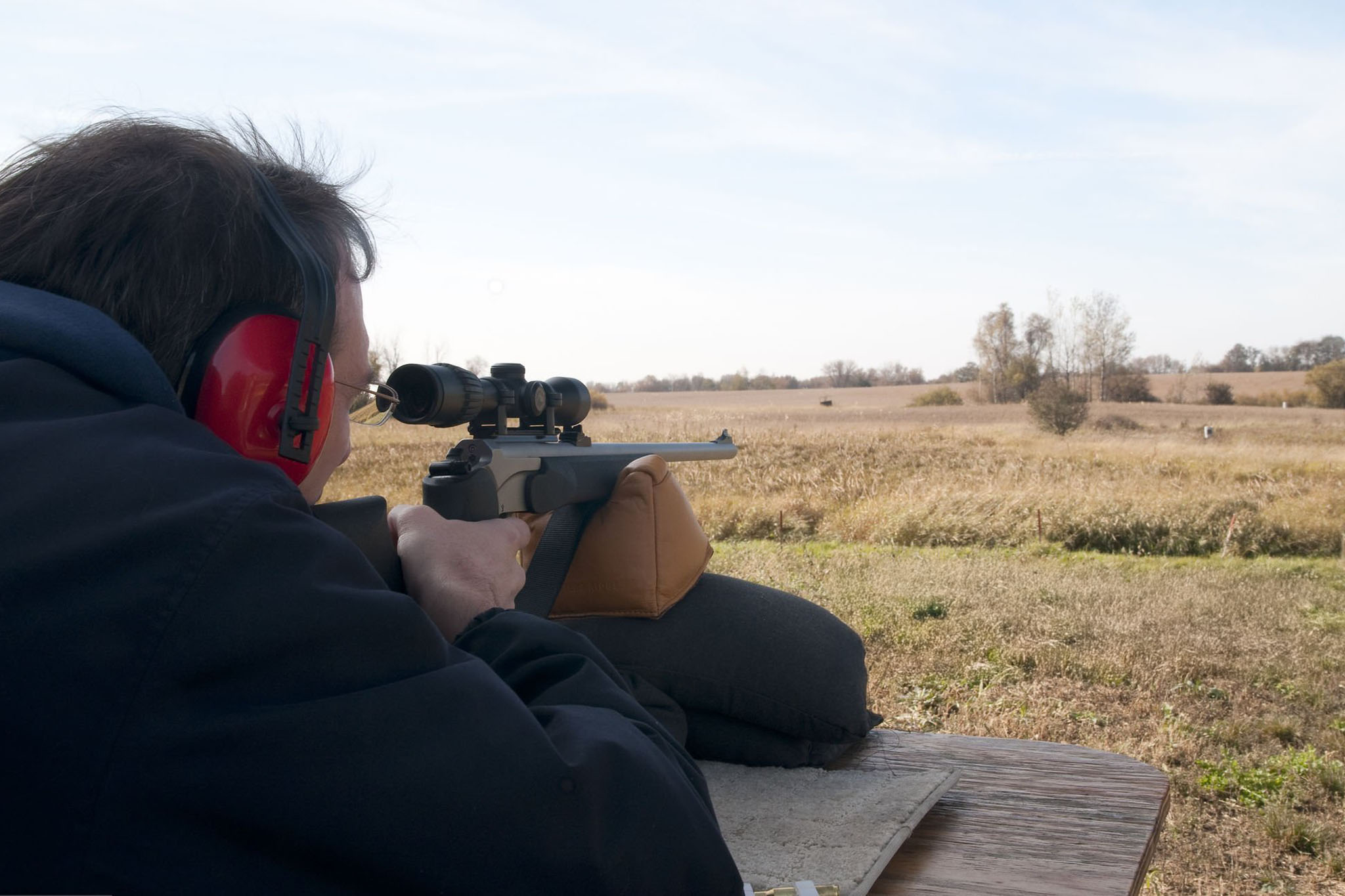
10. Practice Shooting From Real Hunting Positions
The range is clean, flat, and comfy—but the woods are not. Practice from treestands, on one knee, or seated with your back against a tree. Simulate stress by holding your bow or rifle at full draw/ready for 30 seconds before firing. You’ll thank yourself when the real shot comes.
Final Thoughts
Deer hunting is part woodsmanship, part patience, and part adaptability. These 10 proven strategies are rooted in real-world experience and built to work whether you’re hunting farmland in the Midwest or timbered ridges in the Appalachians.
Don’t just show up this season—hunt smarter, hunt sharper, and stack the odds in your favor.
