
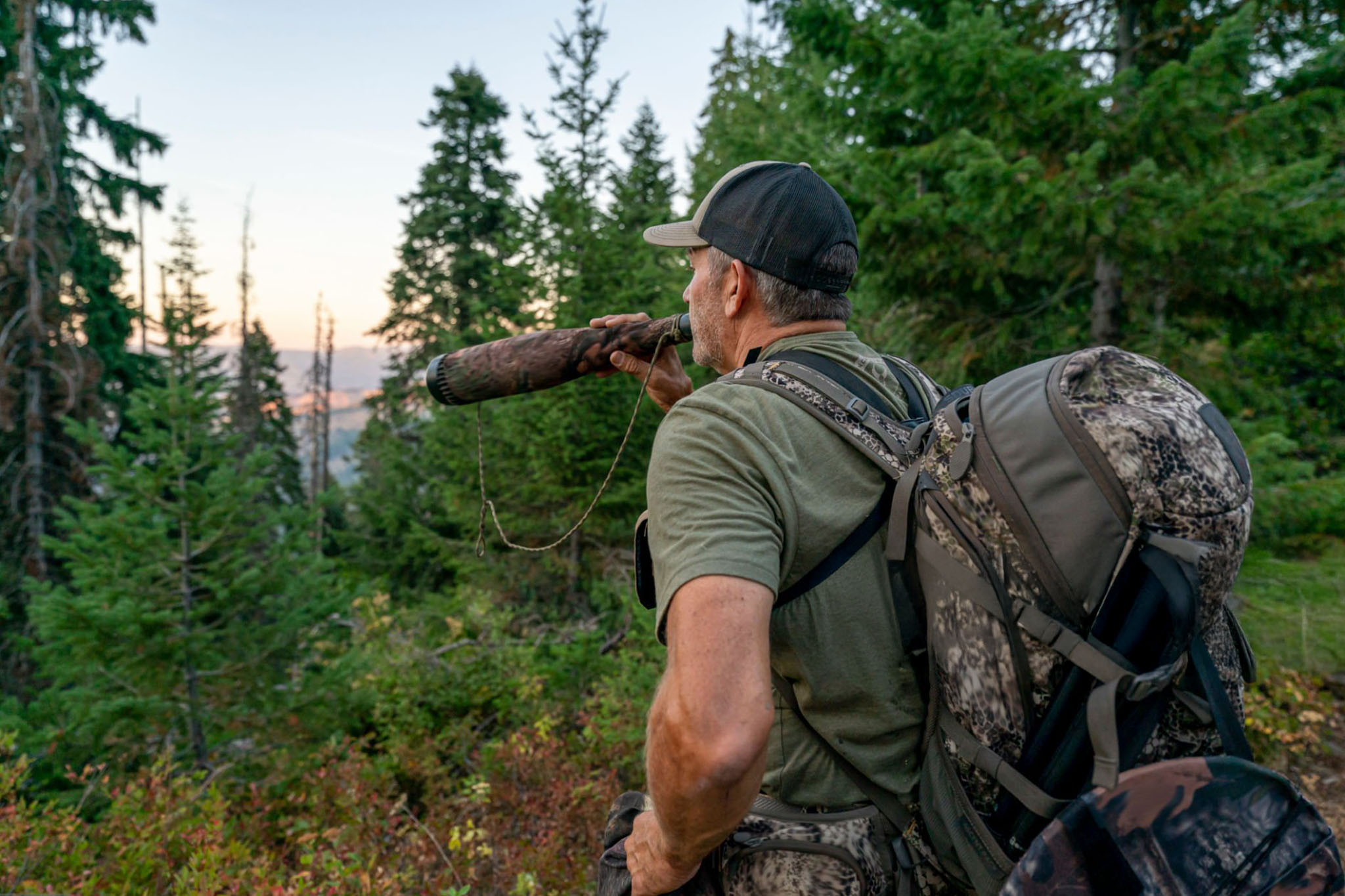
Unlock mature buck movement with strategy, patience, and precision.
If you want to consistently put mature whitetails in your sights this fall, you can’t rely on luck or just being in the woods. You need a solid plan—and that starts with patterning. Big bucks, especially those four years and older, are creatures of habit until hunting pressure changes their routines. Understanding those routines is the key to tagging out early or putting a trophy on the wall.
This article breaks down the essential tactics and tools you need to pattern big bucks like a seasoned pro—before the rut turns their world (and yours) upside down.
🦌 What Does It Mean to “Pattern” a Buck?
In simple terms, patterning is identifying the daily habits and routes of a mature buck—where he beds, feeds, travels, and drinks—before he becomes unpredictable during the rut. Bucks are most patternable in the late summer to early fall, especially during the pre-rut period when they still follow routine movements.
📍 Step 1: Dial In Your Trail Camera Strategy
Nothing beats boots-on-the-ground intel, but modern trail cameras—especially cellular models—are game changers. They provide real-time info without disturbing the area.
Tips to run cameras effectively:
- Place early near food sources: In late August through September, bucks are on feeding patterns. Soybean fields, acorns, and early mast crops are hotspots.
- Shift to staging areas mid-September: Bucks often loiter just inside the woods before entering open fields. Focus on trails from bedding to those edge zones.
- Use time stamps: Study when that buck appears. Is he hitting your cam every evening at 7:15 p.m.? That’s actionable data.
Pro tip: Use a spreadsheet or app to track photos and identify trends across multiple cameras.
🛤️ Step 2: Map Travel Corridors and Funnels
Mature bucks are efficient movers. They favor routes that offer cover, security, and quick escape options. These typically include:
- Ridge lines
- Creek beds
- Inside corners of fields
- Brushy fence lines
- Saddle points between elevations
Scout these areas on foot (carefully and with the wind in your favor) or by using digital tools like onX Hunt or HuntStand.
🌬️ Step 3: Hunt the Wind, Not the Deer
You might know where that bruiser buck is bedding and feeding, but it won’t matter if he catches your scent on the way.
Patterning success depends on wind strategy.
- Use thermals to your advantage: In hill country, thermals rise in the morning and fall in the evening. Hunt high in the morning, lower in the evening.
- Set stands based on prevailing winds: Have multiple access routes and setups based on wind direction.
- Always test the wind on location. Even if the forecast says northwest, terrain and vegetation can change wind behavior on the ground.
🏹 Step 4: Understand Bed-to-Feed Timing
The most predictable time to kill a mature buck is on his bed-to-feed route during the early season.
Tips:
- Bucks bed closer to food in early fall.
- Time your hunts around cold fronts—when temps drop 8–15 degrees, buck movement increases.
- Focus on evening hunts near staging areas or the edge of feed fields. Avoid morning hunts unless you’re dialed in on a specific bedding location.
Observation sits on the edge of a field or timber can give you real-time data on how bucks enter, travel, and exit areas—without blowing up the spot.
🧠 Step 5: Think Like a Buck
A mature buck’s primary concern is survival. To successfully pattern one, stop thinking like a hunter and start thinking like your quarry.
Ask yourself:
- Where would I bed to see danger and feel safe?
- How would I approach that food source with the wind in my face?
- What path offers the least human intrusion and most cover?
Big bucks don’t always walk the main trails—they’ll use the edges of sign, the “off-ramp” trails, or skirt the downwind side of scrapes and does.
🕵️ Step 6: Avoid Pressure at All Costs
Nothing blows up a pattern faster than intrusive scouting, overhunting a stand, or checking cameras too often.
Be disciplined:
- Only hunt high-odds days with the right wind.
- Pull camera cards sparingly—or switch to cell cams.
- Don’t go stomping through bedding areas without a reason. Leave sanctuaries untouched until it’s time to strike.
📅 Bonus: When Patterns Break—Adapt
As fall progresses, patterns shift.
- By mid to late October, bucks begin to expand their range.
- Scraping behavior ramps up—track where active scrapes are showing up, especially community scrapes.
- Once the rut hits, throw the patterns out. Then it’s about travel corridors, doe bedding areas, and all-day sits.
Final Thoughts
Patterning a big buck isn’t about chasing every piece of sign—it’s about piecing together a puzzle. With good data, a sharp understanding of terrain and wind, and minimal pressure, you can stack the odds in your favor.
Success doesn’t happen by accident. It happens when preparation meets opportunity—and that starts well before the leaves begin to fall.
Now’s the time to get out, scout smart, run your trail cams, and pattern that buck before he goes nocturnal. Come October, you’ll be glad you did.
Happy hunting—and good luck this fall!
