
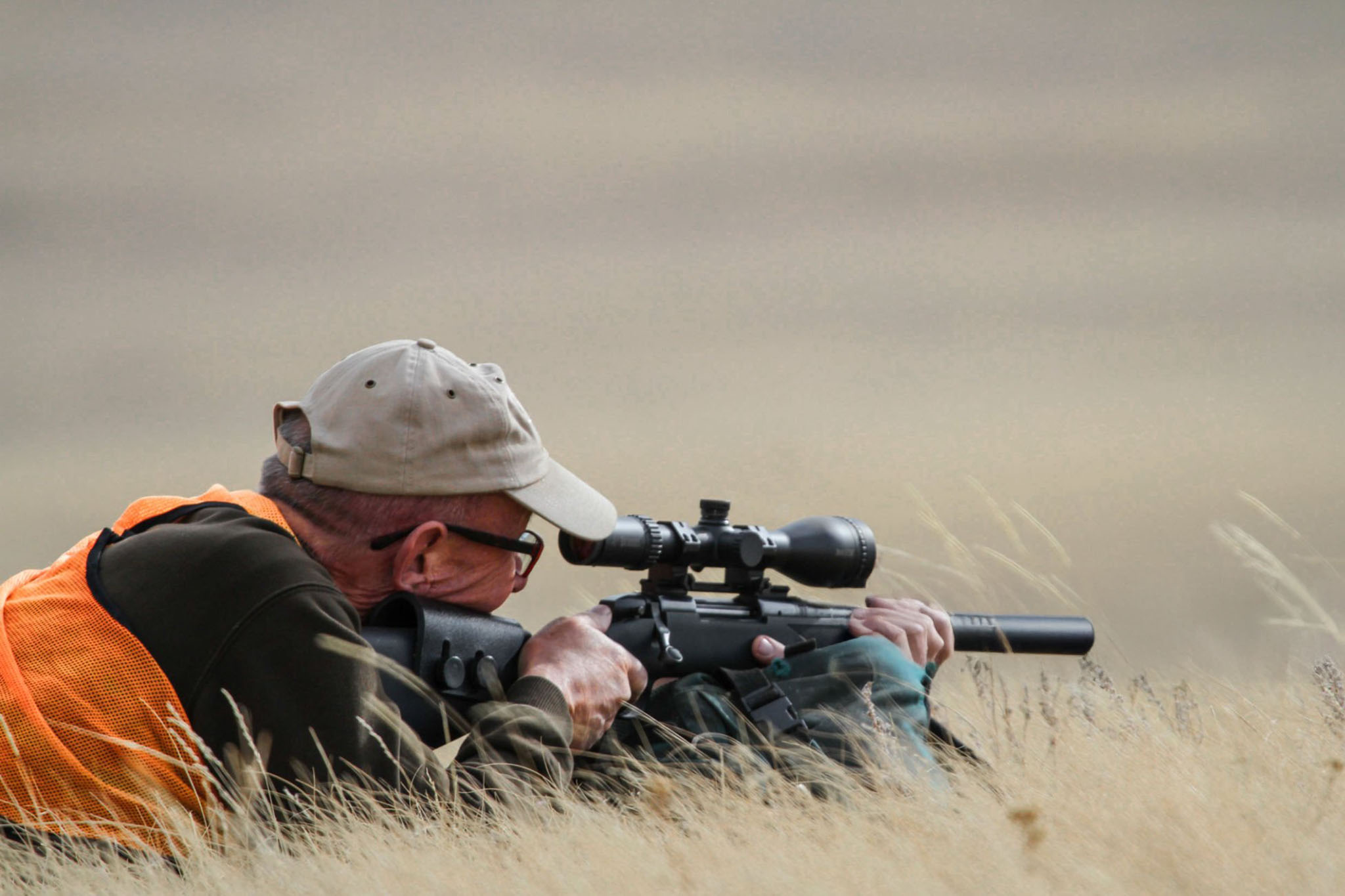
If you’ve ever had a buck wind you and vanish before you even raise your rifle, you know just how critical scent control is. Deer and other game animals have an incredible sense of smell—often their #1 defense against predators, including hunters. But here’s the good news: you don’t need to spend hundreds of dollars on commercial scent control products. With a little know-how and some simple DIY tricks, you can effectively manage your scent and stay under the radar.
Here’s how to cut your scent profile without cutting into your hunting budget.
1. Start with Your Laundry – The Cheap Way
Commercial scent-free detergents are great, but they’re not your only option. You can make your own scent-killing laundry soap at home:
DIY scent-free detergent recipe:
- 1 cup baking soda
- 1 cup borax
- 1 cup washing soda (NOT regular baking soda – this is different)
- Mix and store in a sealed container. Use 2–3 tablespoons per load.
Pro Tip: Add a splash of white vinegar to the rinse cycle—it softens clothes, helps kill bacteria, and neutralizes odors.
Also, dry your hunting clothes outside if possible. Avoid using your indoor dryer—it’s a scent magnet, especially if others in your home use dryer sheets or fragranced detergents.
2. Homemade Scent Killer Spray
Store-bought scent sprays work, but they run out fast and add up in cost. Here’s an easy, effective DIY scent killer spray:
DIY scent killer spray recipe:
- 16 oz. distilled water
- 2 tablespoons hydrogen peroxide (3%)
- 1 tablespoon baking soda
- A couple drops of unscented soap (like Castile)
Mix everything in a spray bottle and shake well before each use. Spray liberally on your boots, outerwear, gear, and even your tree stand.
Important: Let it sit for 24–48 hours before use so the baking soda dissolves completely. Otherwise, it may clog your spray nozzle.
3. Charcoal and Baking Soda for Gear Storage
After washing and spraying your gear, how you store it matters just as much. Don’t throw your camo back in the closet next to your cologne and work boots. Instead:
- Store your gear in a large plastic tote or scent-proof bag.
- Add a few open boxes of baking soda or a couple charcoal briquettes (the kind without lighter fluid) to absorb odors.
- You can also throw in pine needles, dirt, or leaves from your hunting area to help your clothes “blend in.”
4. Use Nature as Camouflage
Smell like where you hunt. This trick has been passed down by old-school hunters for a reason—it works.
- Rub your boots and clothes with local vegetation like pine needles, cedar branches, or fresh leaves.
- Walk through muddy areas on the way in—it dulls synthetic odors.
- Don’t overdo it though—you’re blending in, not making salad dressing.
This technique doesn’t replace scent control—it complements it.
5. Watch What You Eat and Drink
It may sound extreme, but what you eat can affect your scent. Spicy foods, garlic, coffee, and alcohol can alter your natural body odor. Consider avoiding them 24–48 hours before your hunt.
And smoking? A total no-go. Tobacco smell can cling to your clothes and breath for hours. If you must smoke, do it well away from your hunting gear and outside your scent-controlled zone.
6. Control Scent from Head to Toe
- Showers: Use scent-free soap or baking soda as a body wash before every hunt. Don’t forget to scrub your armpits, feet, and behind your ears—places that trap odor.
- Hair: Wash with unscented shampoo. If you have long hair or a beard, tie it up or cover it with a scent-free gaiter or mask.
- Breath: Believe it or not, your breath can give you away. Chew odorless gum or brush with baking soda toothpaste before heading out.
7. Boot Care Matters
Your boots touch every surface and can carry gas, oil, and household smells. Clean them with scent-free soap or spray, and don’t wear them anywhere but the woods.
Store them separately from your other gear, ideally in a scent-free tote with dirt, leaves, or baking soda packets.
8. Stay Scent-Free in the Field
Once you’re in the field:
- Don’t touch everything. Trees, branches, even gear—your skin oils can leave scent trails.
- Reapply your homemade spray every few hours.
- Hunt with the wind in your face whenever possible. Even the best scent control won’t help much if you’re upwind of your quarry.
Final Thoughts
Scent control isn’t just about fancy sprays or high-end gear—it’s about being intentional with every step you take. From laundry day to treestand sits, controlling your scent with simple, cost-effective DIY tricks can seriously boost your success rate in the woods.
You don’t need a big budget—just a little effort, consistency, and some common sense. Remember: If they smell you, they won’t see you.
Happy hunting—and stay scent-free out there.
