
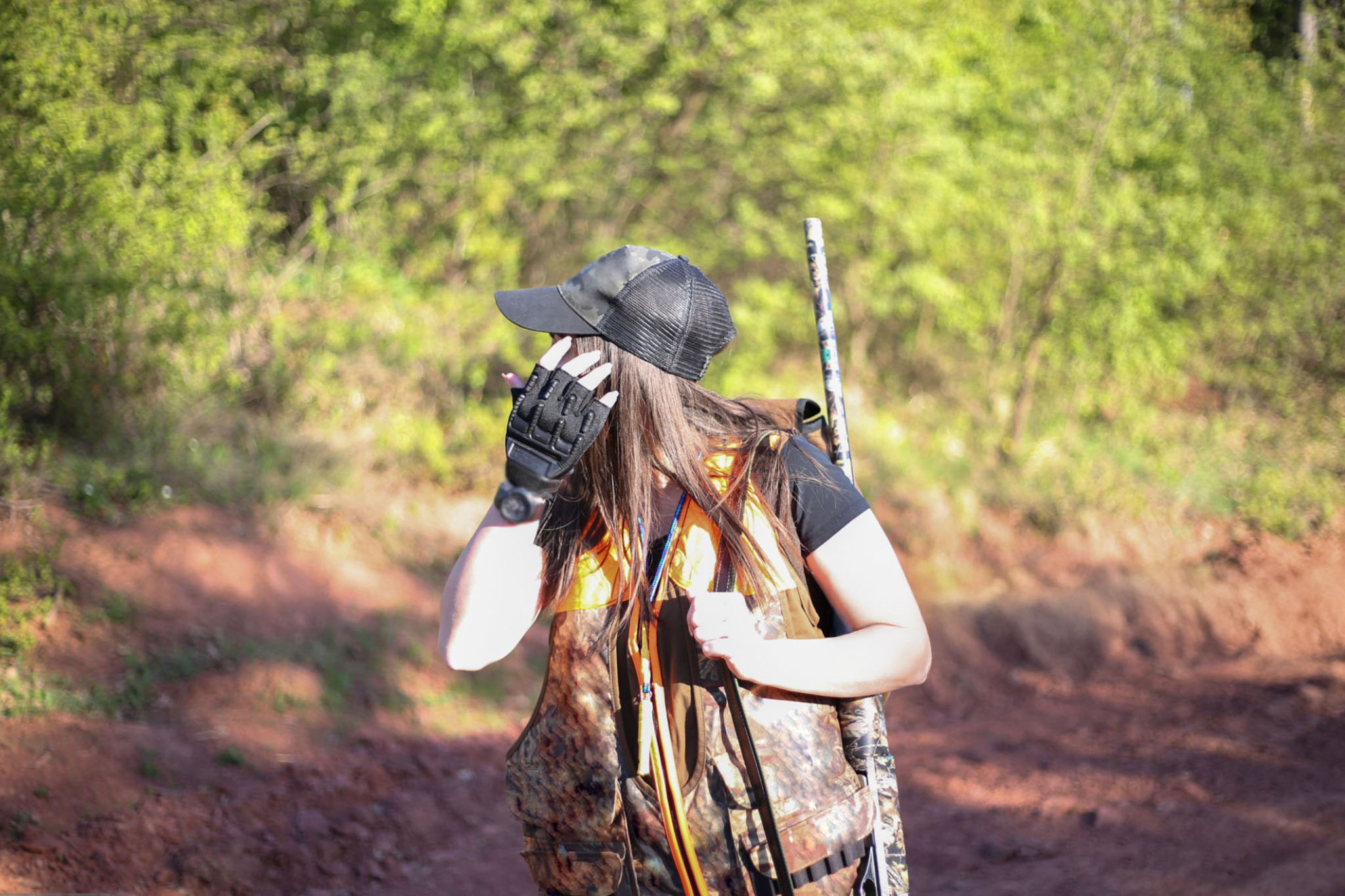
Spot-and-stalk hunting is the ultimate test of a hunter’s skill, patience, and understanding of the land. Unlike stand hunting or blind setups, this dynamic approach puts you in constant motion—scanning, tracking, adapting—until you’re within range for a clean, ethical shot. But when you introduce varying terrain—dense forests, steep mountains, wide-open plains—the game gets more complex and more rewarding.
In this guide, we break down the core techniques, gear, and terrain-specific strategies that’ll help you become a better spot-and-stalk hunter no matter where your boots hit the ground.
1. Understand What Spot-and-Stalk Really Means
At its core, spot-and-stalk hunting is all about locating game visually (spotting) and then silently and carefully closing the distance (stalking). Success depends on reading the land, staying hidden, and predicting animal behavior.
Unlike passive hunting styles, spot-and-stalk is active, physical, and mentally demanding. But when done right, it delivers the kind of adrenaline rush you can’t get from sitting in a stand.
2. Know Your Terrain Types and Tactics
A. Mountainous Terrain
- Challenges: Elevation, shifting thermals, noisy rock slides, and limited cover.
- Tips:
- Use ridgelines and high vantage points to glass early in the morning and late in the day.
- Watch wind thermals closely—they tend to rise in the morning and fall in the evening.
- Stalk from above when possible. Most animals don’t expect danger from above.
- Be prepared for steep, rugged climbs—train your legs and lungs.
B. Rolling Hills and Farmland
- Challenges: Mixed cover, human scent zones, agricultural noise.
- Tips:
- Use hay bales, hedgerows, and undulating hills as natural cover.
- Watch animal movement between bedding and feeding zones, especially at first and last light.
- Keep your profile low and move slowly between crop rows or drainage ditches.
C. Dense Forest and Timberland
- Challenges: Limited visibility, noise from breaking twigs, and swirling winds.
- Tips:
- Use slow, deliberate steps—pause frequently to listen and scan.
- Rely more on sound and sign than on distant spotting.
- Keep wind in your favor and plan your entry and exit routes in advance.
D. Desert and Open Country
- Challenges: Minimal cover, long sight lines, heat shimmer, and dry, noisy ground.
- Tips:
- Glass from a distance using quality optics; spotting is more important than stalking here.
- Use terrain depressions—arroyos, dry creek beds—for stealthy approach.
- Wear neutral-colored clothing that matches the landscape.
3. Master the Art of Glassing
Optics are your best friend in spot-and-stalk hunting. Whether you’re glassing across canyons or scanning ridgelines, patience and technique matter.
- Use a tripod-mounted spotting scope for long sessions.
- Grid the area with your binoculars—start at the bottom left and move right and up in a slow, sweeping pattern.
- Look for movement, not just shapes. A flick of an ear or a twitch of a tail can give an animal away.
4. Mind the Wind—Always
Wind direction is your silent alarm system. Animals live and die by their noses, especially whitetail deer, elk, and antelope.
- Use wind checkers constantly (talc powder, milkweed, or electronic devices).
- If the wind shifts against you during a stalk, don’t push it—circle around or wait for the thermals to change.
- Stay below your quarry when possible; rising thermals can carry your scent up quickly.
5. Gear Up Smart for the Terrain
Successful stalks rely on quiet, performance-based gear that blends in and moves with you.
- Boots: Choose terrain-specific footwear. Use soft-soled or stalking boots in dry environments and ankle-supporting boots in rocky country.
- Clothing: Opt for layering systems that allow for temperature adjustment while maintaining silence and scent control.
- Backpack: Use a compact pack that doesn’t jingle, rub, or snag. Hydration packs and rangefinder holders are solid add-ons.
- Optics: A solid binocular harness, quality spotting scope, and compact rangefinder are essentials.
6. Use Topo Maps and Digital Tools
Knowing the land is half the battle.
- Use mapping apps like onX Hunt, HuntStand, or Gaia GPS to mark bedding zones, game trails, water sources, and glassing points.
- Download offline maps before heading out.
- Pay attention to contour lines—valleys, saddles, and benches often serve as ideal stalking corridors.
7. Time Your Stalk Right
Once you’ve spotted your target, don’t just charge in.
- Observe behavior first. Are they bedded down? Feeding? Moving with the wind?
- Plot your route carefully using available cover, wind direction, and terrain dips.
- Wait for the right moment—often when the animal’s head is down or turned away—to make your move.
Patience kills more animals than speed ever could.
8. Quiet Feet and Silent Moves
Sound can ruin a stalk faster than anything else.
- Walk heel-to-toe and roll your foot gently.
- Use natural materials like pine needles or moss to soften your steps.
- Crawl if needed—sometimes it’s belly-crawl or bust.
- Pause often. Sometimes the best move is standing still for 5–10 minutes to observe, breathe, and let your target relax.
9. Close the Distance—But Don’t Rush the Shot
Getting within range is only part of the challenge. You still need a clear shot, the right angle, and confidence in your aim.
- Know your effective shooting range cold—whether with a rifle or bow.
- Don’t force a shot through brush or tight windows.
- Wait for a broadside or quartering-away shot whenever possible.
If the moment doesn’t feel right—back off and wait for another opportunity. Ethical hunting is responsible hunting.
10. Learn from Every Stalk
Not every stalk will end in a harvest—and that’s okay. Each attempt teaches something.
- Log what went right and what went wrong: wind errors, timing, gear issues, animal behavior.
- Revisit the same area to see if your quarry returns.
- Use your failures to sharpen future stalks. That’s how real hunters grow.
Final Thoughts
Spot-and-stalk hunting is an art form that combines fieldcraft, fitness, and patience. Mastering it in varying terrain takes time—but it’s worth every early morning, every sore leg, and every busted stalk.
Whether you’re chasing mule deer across the Rockies, slipping through corn rows after whitetails, or belly-crawling through sage for pronghorn—stay focused, stay quiet, and trust the process.
You’re not just hunting game. You’re hunting mastery.
