
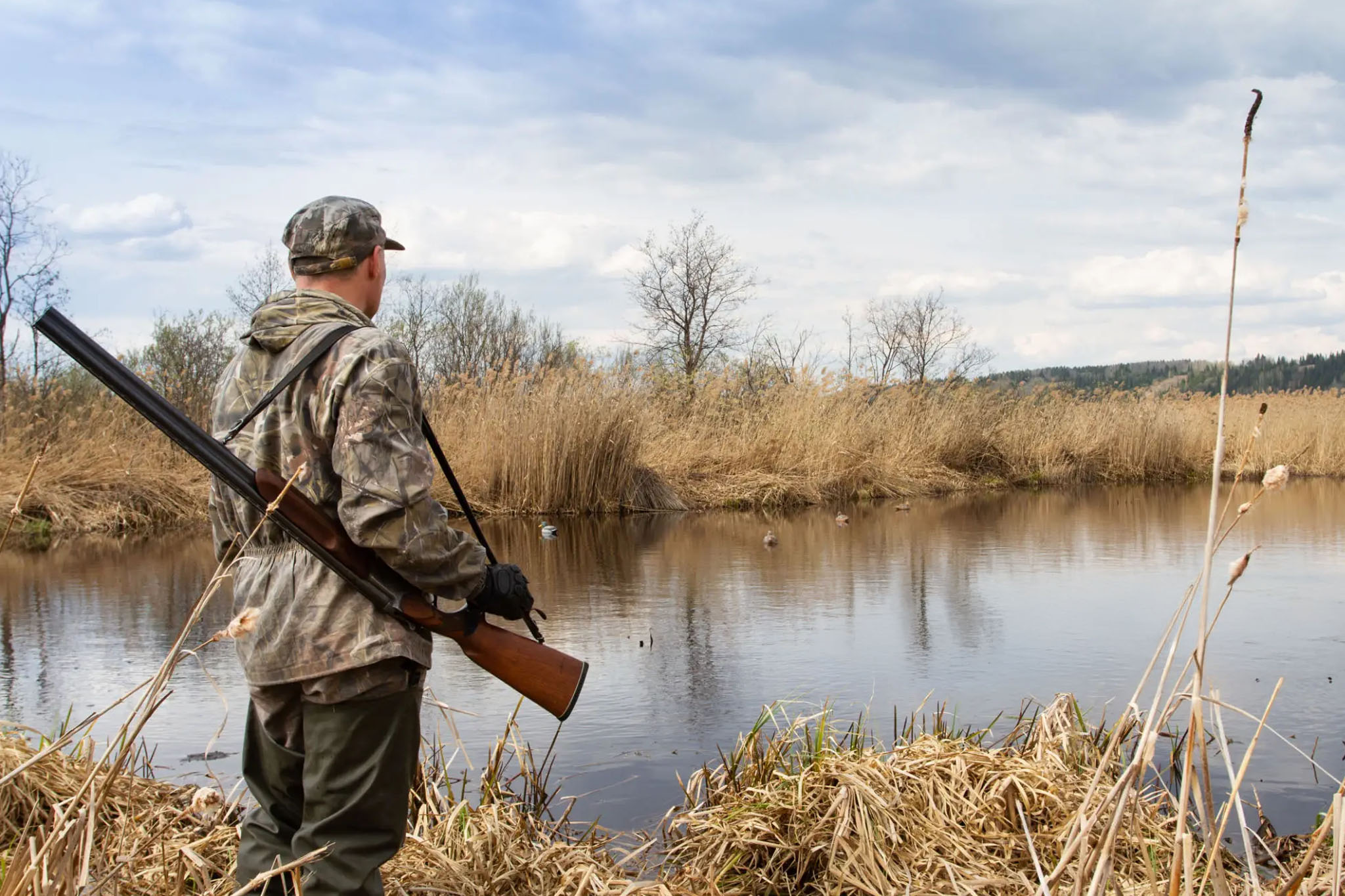
The countdown to opening day is on, and seasoned hunters know success doesn’t start when you climb into the stand—it begins long before the season kicks off. Pre-season prep isn’t just about getting your gear out of storage; it’s about building a plan, sharpening your skills, and setting the stage for a clean, ethical harvest. If you’re looking to make this your best season yet, here’s how to hunt smarter, not harder.
Why Pre-Season Preparation Matters
Think of pre-season prep as stacking the odds in your favor. Mature whitetails, elk, and other game animals aren’t creatures of chance—they live by patterns and survival instincts. The hunter who does the homework now will be the one tagging out early while others are still scrambling.
- Reduce in-season mistakes: Prepping early means fewer last-minute gear failures and scouting surprises.
- Pattern game animals: Learning their habits now gives you an edge when the woods are full of pressure.
- Maximize limited time: Most hunters can’t spend every day in the field. Smart preparation makes every sit count.
1. Dial In Your Gear Early
Nothing kills a hunt faster than gear failure. Check, clean, and test everything you plan to use well before the season opener.
🎯 Bowhunters:
- Wax your string, check cams and cables for wear, and practice at various ranges and angles.
- Don’t forget real-world scenarios—shoot from elevated stands or while kneeling.
🔫 Gun hunters:
- Clean your rifle thoroughly and double-check your scope’s zero.
- Practice with the ammo you’ll hunt with, not just cheap range rounds.
🧰 Other essentials:
- Inspect stands and ladders for rust or loose bolts.
- Replace frayed safety harness straps.
- Check trail cameras, batteries, and SD cards.
2. Scout Smarter, Not Harder
Modern hunters have more tools than ever for efficient scouting. Combine boots-on-the-ground work with tech to get the best results.
📍 Use mapping apps: Drop pins for potential stand sites, food sources, and bedding areas. Pay attention to topography and prevailing winds.
📸 Deploy trail cameras:
- Set them on field edges, waterholes, and well-used trails.
- Go for low-impact setups—cellular cams are ideal to avoid frequent visits.
👣 Identify summer patterns: Bucks are still in bachelor groups and often hit predictable food sources like soybeans, clover, and alfalfa fields in daylight.
Pro tip: Focus on access routes to avoid tipping them off before the season starts.
3. Fine-Tune Shooting and Scent Control
Your weapon and scent discipline are the two most controllable factors once you’re in the field.
🎯 Shooting practice:
- Don’t just practice in perfect conditions. Train in the heat, with light wind, and wearing your hunting clothes.
- For archers, practice from tree stand height and from awkward positions.
🌿 Scent strategy:
- Wash hunting clothes in scent-free detergent and store them in sealed totes with fresh earth wafers or ozone units.
- Plan wind-based entry and exit routes for your stands now, not on opening morning.
4. Prep Stand Sites and Access Routes
Hanging stands and clearing shooting lanes now avoids disturbing deer later when they’re most skittish.
🪵 Key tips:
- Trim brush with a focus on silent access—leave no branches to grab clothing or make noise.
- Create multiple stand options for varying wind directions.
- Avoid over-clearing; mature bucks notice “new” open areas in the woods.
5. Monitor Food Sources and Natural Transitions
As late summer transitions into early fall, deer shift from green agricultural fields to mast crops like acorns and persimmons.
🥬 Summer food: Beans, clover, alfalfa.
🌰 Early fall food: White oak acorns, soft mast, cut corn.
Adjust your scouting focus to anticipate these shifts so you’re not caught off guard.
6. Get in Hunting Shape
It’s easy to overlook physical conditioning, but being fit helps you stay quiet, haul gear, and handle long sits comfortably.
🏃♂️ Workouts for hunters:
- Hiking with a loaded pack.
- Core and balance training for awkward shooting angles.
- Grip strength for climbing stands and dragging deer.
7. Build a Hunt Plan
Finally, create a written or digital plan covering:
✅ Stand sites for each wind direction.
✅ Backup options if deer patterns shift.
✅ A checklist of gear to load the night before.
Having a plan keeps you calm and efficient when the adrenaline hits.
Final Thoughts
“Work smarter, not harder” isn’t just a catchy phrase—it’s the foundation of consistent hunting success. By taking the time now to tune gear, scout effectively, and plan your approach, you’re setting yourself up for confidence and results when opening day arrives.
Do your work in the summer heat, and you’ll be the one tagging out while others are still fumbling in the woods.
