
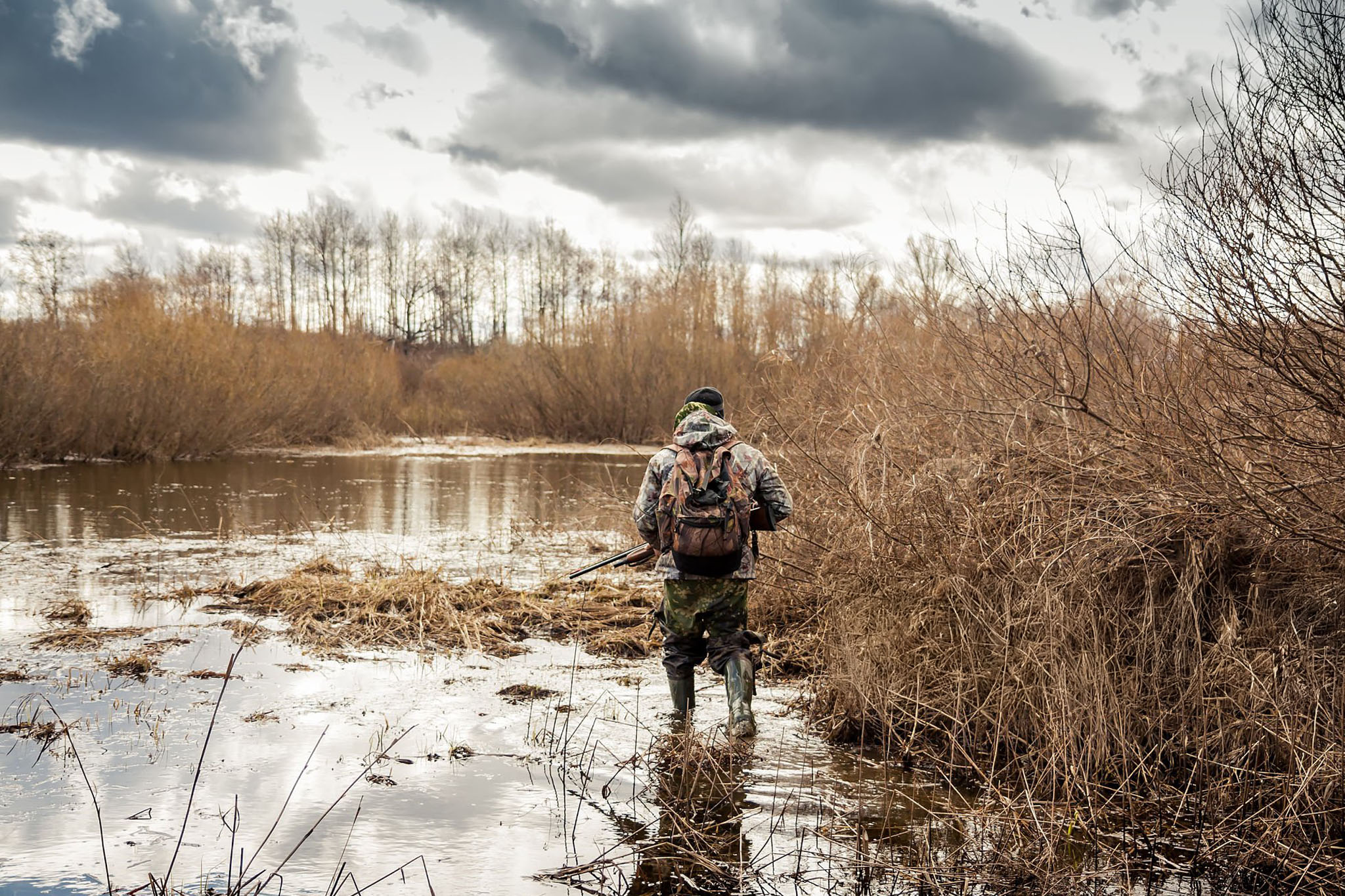
Early season deer hunting is all about understanding patterns—and during late summer and early fall, nothing draws a buck in like a well-placed waterhole or a thriving food plot. If you want to make your property irresistible to whitetails and set up for success before the rut kicks in, now is the time to plan, build, and optimize.
This guide will break down why these resources are so critical, how to implement them effectively, and how to hunt over them without spooking your quarry.
Why Water and Food Are King in Early Season
1. Heat and Hydration Drive Movement
In the early season, warm temperatures and dry conditions often push deer to seek reliable water sources. Bucks in velvet and does with fawns prioritize hydration during hot afternoons and early evenings.
- Key Tip: Deer will often hit waterholes just before heading to evening feeding areas. Place cameras nearby to identify daylight activity patterns.
2. Food Plots Provide Predictability
Summer and early fall diets are focused on high-protein greens and soft mast. Well-maintained food plots become predictable feeding sites that encourage daylight movement.
- Clover, chicory, and brassicas are excellent choices for early-season nutrition.
- Soft mast trees (like persimmons or crabapples) are natural magnets when fruiting.
Designing the Perfect Waterhole
Choose the Right Location
- Position waterholes close to bedding areas but not directly in them. This encourages deer to visit during legal shooting hours.
- Place water sources on travel routes between bedding and feeding areas for maximum traffic.
Construction Tips
- Use a durable tub, kiddie pool, or liner in a shallow dug-out depression.
- Keep water fresh and clean—stagnant water won’t attract deer. Solar pumps or rain catch systems can help maintain quality.
- Surround waterholes with native grasses or light cover to make deer feel secure.
Creating Killer Food Plots
Location Is Everything
- Place plots near cover to allow deer easy access without exposing themselves in open fields.
- Small, secluded “kill plots” are ideal for bowhunters targeting cautious early-season bucks.
Plant Smart
- For early-season draw, plant clover and chicory.
- As fall approaches, transition into cereal grains like oats or winter wheat to keep plots attractive.
- Monitor soil health and moisture. Fertilize and lime as needed to optimize growth.
Hunting Strategies for Maximum Success
1. Scent Control is Critical
Both waterholes and food plots are high-traffic areas. Enter and exit carefully, always playing the wind to avoid educating deer.
2. Hunt the Edges
Don’t sit right on top of the resource unless conditions are perfect. Set stands downwind along travel corridors leading to water or food.
3. Strike Early
Early-season bucks are more likely to move in daylight. Take advantage before shifting patterns and hunting pressure push them nocturnal.
Trail Camera Tactics
Use cameras to pinpoint timing and direction of movement:
- Set them at waterholes for midday activity.
- Place cameras along entry trails to food plots to monitor evening arrivals.
Cellular trail cams are a game-changer for staying informed without adding pressure to the area.
Final Thoughts: Stack the Odds in Your Favor
Waterholes and food plots aren’t just land improvements—they’re game-changers for early-season hunting. Done right, they create irresistible hubs for deer activity and allow you to pattern even the wariest bucks before the rut chaos begins.
Combine these attractants with smart stand placement, meticulous scent control, and patient observation, and you’ll set the stage for an opening day you’ll never forget.
