
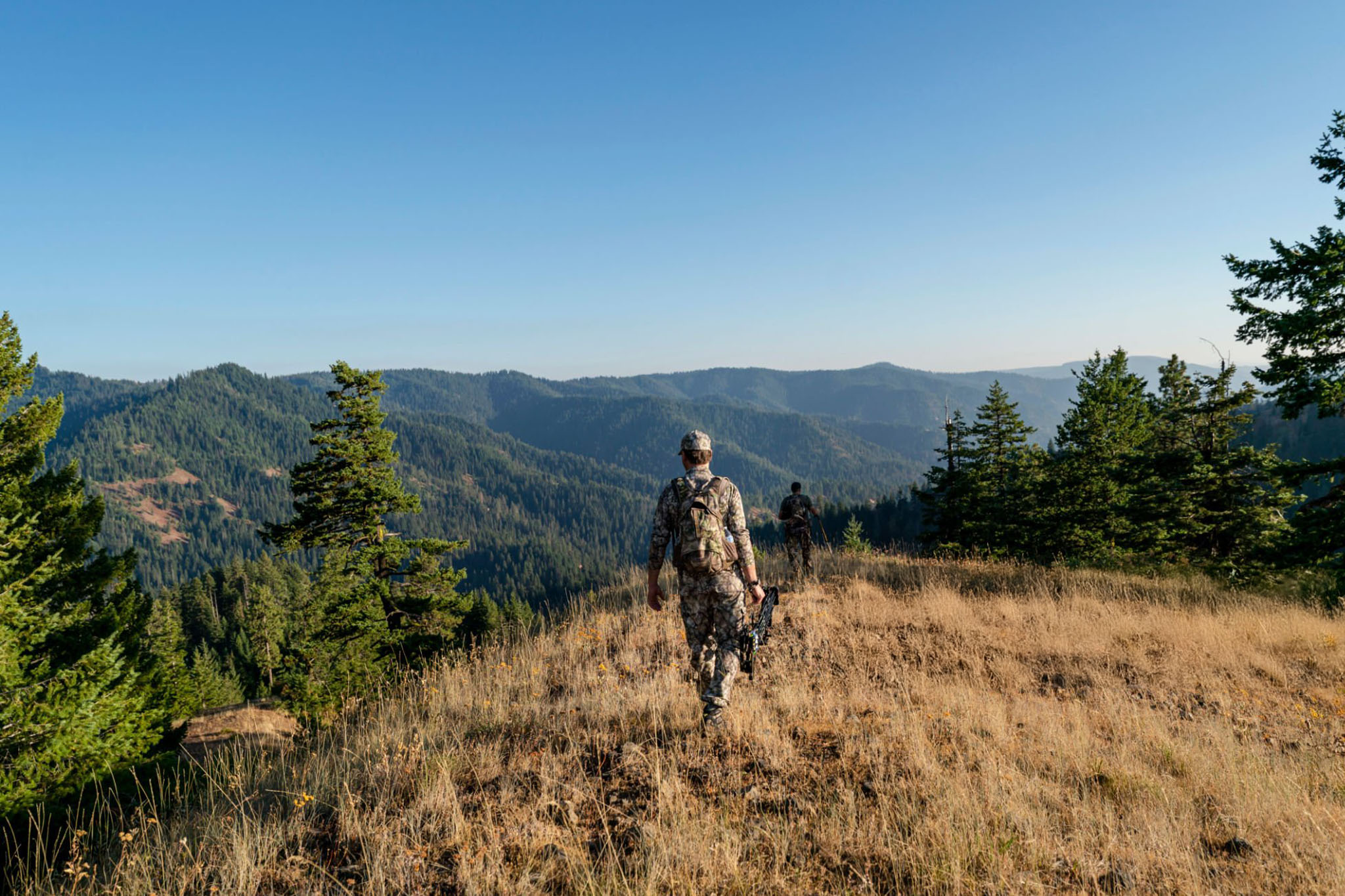
Summer scouting is one of the most overlooked tools in a hunter’s arsenal. While most hunters wait for cooler temperatures to start their preseason prep, those who get out now—under the blazing sun—gain insights that can make all the difference come fall. Learning to read deer sign during the summer helps you anticipate patterns, adjust your strategy, and ultimately put yourself in the right place at the right time when the season opens.
Here’s how to make the most of your hot-weather scouting trips and decode the clues that whitetails leave behind.
🌿 Why Summer Scouting Matters
Deer are creatures of habit in the summer. Bachelor groups of bucks form predictable routines as they feed heavily on lush crops, browse, and mineral sites. This time of year, their movement is often more relaxed and visible compared to the pressured days of fall.
By identifying trails, feeding areas, and bedding sites now, you can build a mental map of their home range and set yourself up for an early-season encounter.
But summer scouting isn’t just about spotting antlers—it’s about reading the subtle signs they leave in their environment.
🦌 Key Deer Sign to Watch for in Summer
1. Tracks
- Look for fresh tracks in soft mud, along creek banks, or in shaded areas where deer often water.
- Pay attention to track size. Larger prints (around 3-4 inches long) may indicate a mature buck.
- Examine the direction of travel and the spacing between tracks to gauge their pace—longer strides can mean a buck on the move between bedding and feeding.
2. Trails
- Well-worn paths through fields, woods, or edges of food plots show established travel routes.
- Primary trails are easy to spot and used by multiple deer, while secondary trails may be fainter but could lead to bedding areas where bucks seek seclusion.
- Take note of any crossroads or trail intersections—these are great locations for future stand placement.
3. Feeding Sign
- In agricultural areas, look for nibbled soybeans, clover, and corn edges. Deer often feed in the cool of early morning and late evening.
- In the woods, identify browsed tips on saplings, briars, and forbs. Deer often clip these cleanly at a 45-degree angle.
- Check for tracks and droppings in these feeding areas to confirm recent activity.
4. Bedding Areas
- During hot summer days, deer seek shade in north-facing slopes, creek bottoms, and thick cover.
- Look for flattened grass or leaves, small clusters of droppings, and even shed summer hair as deer transition into their fall coats.
- Keep your distance to avoid bumping deer out of their summer sanctuary.
5. Rub and Scrape Activity (Limited)
- Mature bucks may start “velvet rubbing” on small saplings in late summer as their antlers harden. These early rubs aren’t as aggressive as those in the rut but can still hint at buck presence.
☀️ Scouting Tips for Hot-Weather Hunts
🗺️ Scout Smart with Maps
- Use satellite imagery and topographic maps to identify food sources, water holes, and bedding cover before heading out.
- Apps like OnX or HuntStand can help you mark sign and save GPS coordinates for future reference.
🥾 Go Early or Late
- Beat the heat by scouting in the early morning or late evening. Not only is it cooler, but you’re more likely to catch deer moving to or from feeding areas.
🌬️ Mind the Wind
- Even in summer, deer use their nose first. Approach likely bedding areas with the wind in your favor to avoid spooking them.
📸 Deploy Trail Cameras
- Place cameras on active trails, near mineral licks, or water sources to monitor movement patterns without excessive intrusion.
🦌 What Summer Patterns Reveal About Fall
Keep in mind, summer patterns will shift as bucks lose their velvet and transition to fall food sources. However, understanding their core area and preferred travel routes gives you an edge as they begin adjusting to pre-rut behavior.
Summer scouting is less about pinpointing where to sit on opening day and more about gathering intel to anticipate these changes.
🔥 Final Thoughts
Scouting in the summer heat isn’t for everyone—but for hunters willing to put in the work now, the payoff can be huge. By reading tracks, trails, and subtle signs in the woods, you’re laying the groundwork for success before the competition even steps foot in the field.
This season, grab your boots, binoculars, and a bottle of water. The deer are out there, leaving a story for you to read—you just have to go find it.
