
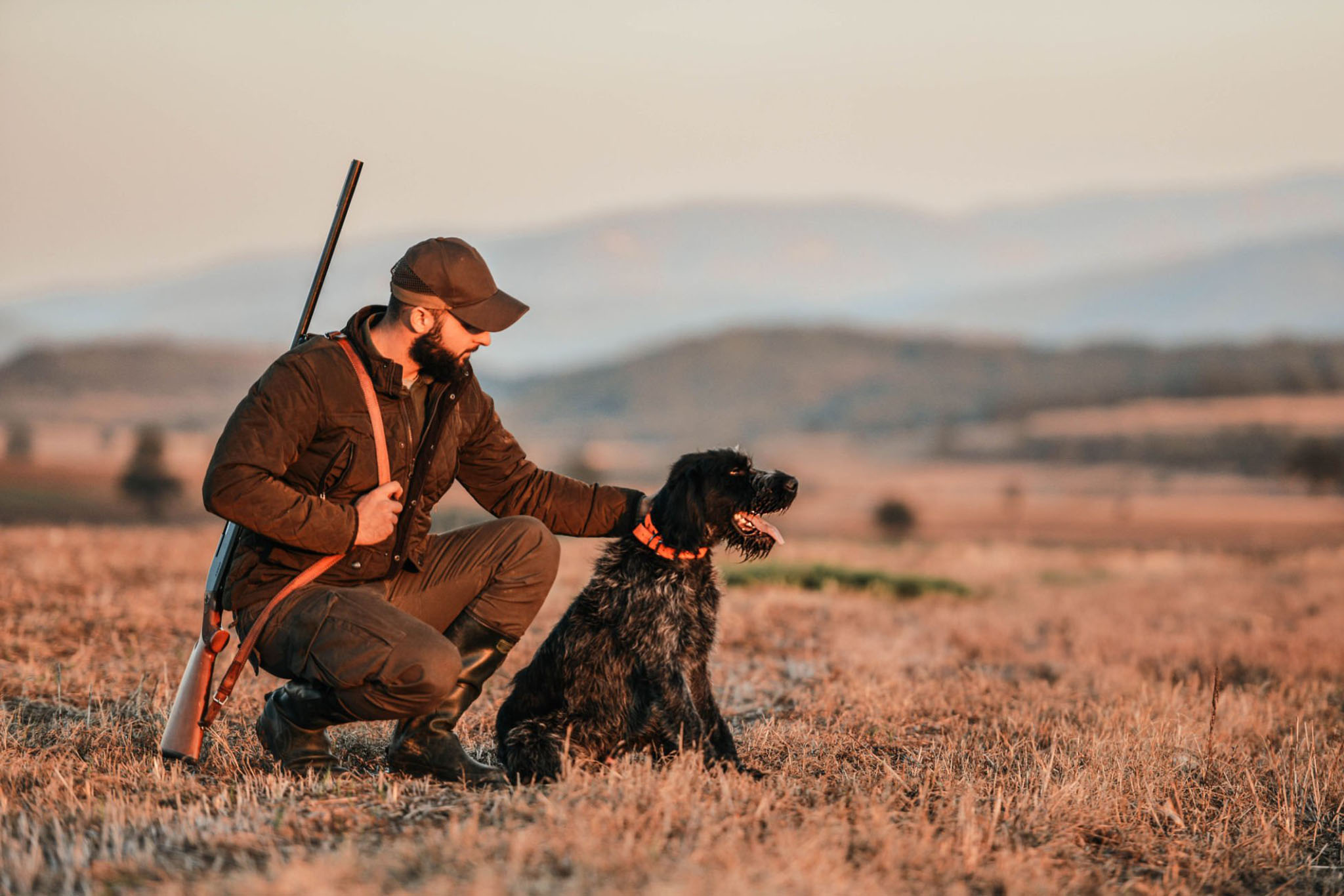
For most deer hunters, the early season is both exciting and challenging. Warm temperatures, shifting deer patterns, and cautious bucks make every decision critical—especially when it comes to deciding when to hunt. Should you set the alarm early and head to the woods before dawn, or wait for an evening sit as deer head to feed?
The answer isn’t one-size-fits-all. Let’s break down the pros, cons, and strategies of morning and evening hunts during early season so you can decide where to invest your time for the best odds of success.
🌄 Morning Sits: Worth Waking Up For?
Hunting mornings in the early season can be tricky. Deer are often returning to bedding areas before shooting light, and the warm temperatures can limit movement after sunrise. But with the right conditions and setup, a morning hunt can still pay off.
✅ Advantages of Morning Hunts
- First Light Activity: Bucks returning to bedding areas from night feeding can offer opportunities at first light.
- Cooler Temps: Early mornings tend to be cooler, which may encourage movement after a hot night.
- Undisturbed Woods: You’re the first one in, and deer haven’t been bumped yet by other hunters.
❌ Challenges of Morning Hunts
- Tough Access: Entering the woods without alerting deer that are already up and moving can be nearly impossible.
- Limited Shooting Windows: Deer may bed down quickly after sunrise, cutting the hunt short.
- Scent Risk: Thermals can carry your scent into bedding areas as the sun rises and air warms.
🎯 Morning Hunt Tips
- Focus on transition zones between feeding and bedding areas.
- Hunt mornings only if you have clean access routes that avoid spooking deer.
- Use hang-and-hunt setups if you suspect bedding areas are close to access points.
🌅 Evening Sits: Early Season’s Best Bet
For most hunters, evening hunts are the bread and butter of the early season. Deer are leaving their beds and heading to food sources in daylight, often providing predictable movement patterns.
✅ Advantages of Evening Hunts
- Predictable Feeding Patterns: Bucks are still on summer habits, moving toward food sources before dark.
- Longer Activity Windows: Deer often stage near fields or food plots well before sunset.
- Lower Intrusion: You’re not walking through bedding areas in the dark, reducing the risk of bumping deer.
❌ Challenges of Evening Hunts
- Thermals Dropping: As the sun sets, cooling air can carry your scent down into fields or deer trails.
- Exit Strategy: Leaving your stand after dark risks spooking deer still feeding nearby.
- Increased Pressure: Evening sits are popular with other hunters, especially near easy-access food plots.
🎯 Evening Hunt Tips
- Set up downwind of staging areas where bucks linger before entering fields.
- Hunt the first few evenings of the season—deer are less wary and haven’t felt pressure yet.
- Plan your exit carefully to avoid educating deer on your presence.
🕵️♂️ Key Factors to Consider
When deciding between morning and evening hunts, weigh these factors:
📆 1. Time of Season
- Early September: Evening hunts are more productive while bucks are in summer feeding patterns.
- Late September/Early October: Morning hunts become more viable as bucks shift toward pre-rut activity.
🌡️ 2. Weather Conditions
- Hunt mornings after cold fronts—deer may move later into the morning.
- Avoid hot, still evenings; look for days with light winds and dropping temps for evening sits.
🌬️ 3. Wind and Thermals
- In the morning, thermals rise and can blow scent toward bedding areas.
- In the evening, thermals sink and can carry scent toward fields. Plan setups accordingly.
📍 4. Stand Location
- Morning hunts require setups close to bedding areas, which are risky without perfect access.
- Evening hunts work best near food sources and travel corridors.
🏆 Verdict: Morning or Evening?
For most hunters in early season, evening hunts are the safer and more productive choice. Bucks are more likely to move in daylight, and setups are easier to access without blowing out bedding areas.
Morning hunts can still work if you have bulletproof entry routes and target bucks moving from food to bed after sunrise. But they require more discipline and ideal conditions.
📖 Final Thoughts: Hunt Smart, Not Just Hard
Whether you prefer mornings or evenings, early season success comes down to careful planning, scent control, and hunting only under the right conditions. By understanding the strengths and weaknesses of each time of day, you can maximize your time in the woods and stack the odds in your favor.
This fall, don’t waste sits guessing—scout smart, hunt smart, and make every trip count.
