
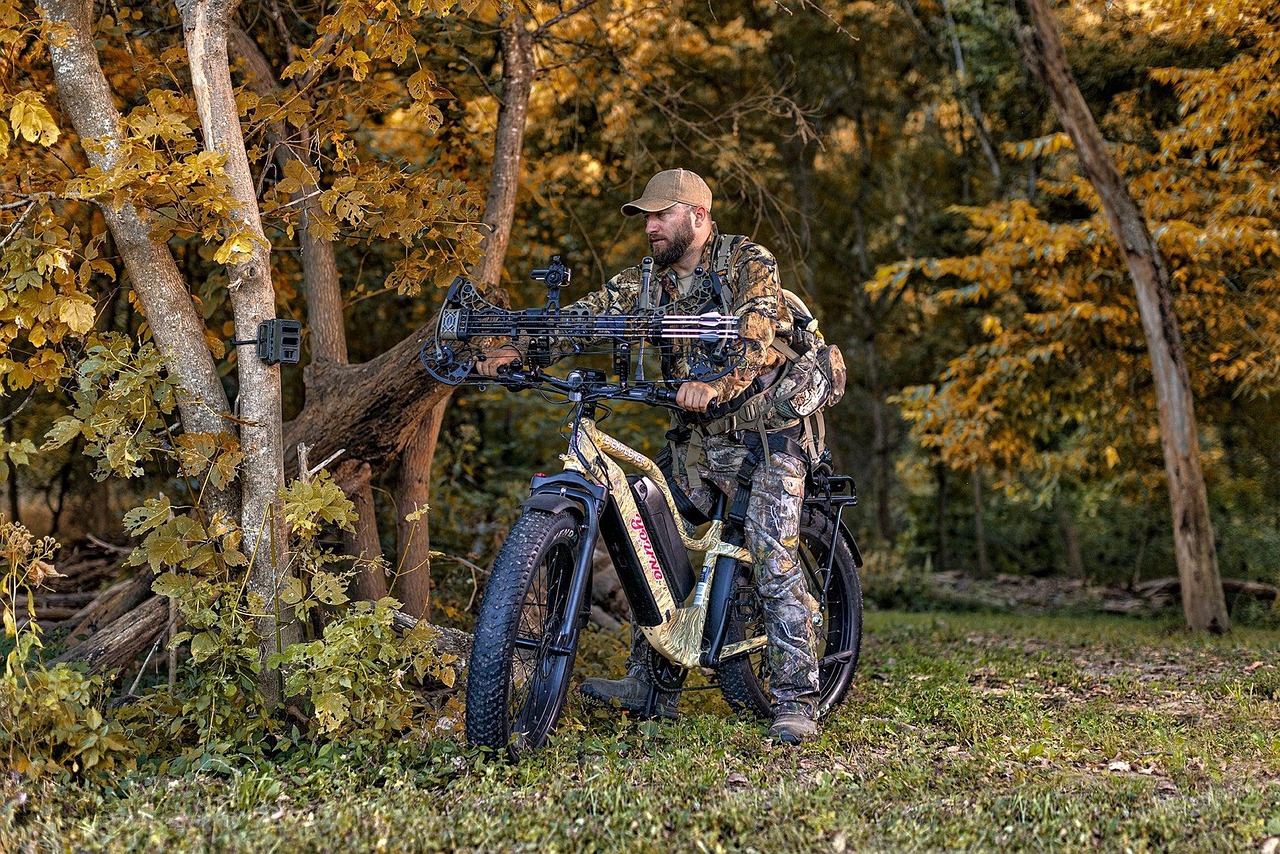
Summer might not be hunting season, but that doesn’t mean it’s time to hang up your boots. In fact, smart hunters know that success in the fall often starts in the heat of July. Summer scouting gives you the edge to understand game behavior, identify fresh sign, and prepare stand sites long before the rut gets wild or the woods get crowded.
Whether you’re chasing whitetails, elk, or even prepping for small game, here’s how to make your summer scouting count—and why your off-season hustle is what separates a good hunt from a great one.
1. Know What You’re Looking For (and When to Look)
Summer scouting isn’t about charging into the woods blindly. You need a plan.
Focus on:
- Bedding-to-feeding patterns: Deer and elk are habitual this time of year. They often bed near thick cover and move to food plots, bean fields, or mast-producing areas at dawn and dusk.
- Fresh tracks and trails: Look for well-worn paths along creek edges, ridge saddles, and field edges.
- Early rubs and scrapes: Bucks start working on velvet and mock scrapes earlier than most think—especially in July.
Best Times to Scout:
- Early morning or just before sunset (when temps are lower and deer are active).
- Avoid midday unless you’re using trail cams or glassing from a distance.
2. Use Glass, Not Boots—At Least at First
Tramping through bedding cover in July is a quick way to burn out a property before the season even starts. Instead, let your optics do the work.
- Set up a vantage point overlooking food sources or transitions.
- Use binoculars or a spotting scope to track movement patterns.
- Take detailed notes: Time, direction of travel, group size, and buck-to-doe ratios.
Glassing fields in late summer gives you the best shot at identifying mature bucks in bachelor groups before they go nocturnal.
3. Deploy Trail Cams Wisely
Trail cameras are your best friend this time of year—if you place them right.
Key Tips:
- Focus on mineral licks, travel corridors, and watering holes.
- Use cellular cams to reduce intrusion (if legal in your state).
- Hang them at chest height and angle slightly down to capture better images and avoid sun glare.
- Swap SD cards midday when animal activity is low, and be scent-conscious.
Don’t just rely on pictures—study patterns, not just presence. It’s not enough to know a buck is there. You want to know where he’s going, when, and why.
4. Map Out Stand & Blind Locations Now
The bugs may be bad and the sweat may pour, but summer is the best time to prep your hunting sites.
- Hang stands or clear ground blind areas while foliage is thick—just like it will be on opening day.
- Trim shooting lanes early to avoid spooking deer later.
- Flag entry and exit trails with natural markers or biodegradable tape.
By doing this now, you avoid unnecessary pressure come fall—and give deer time to re-acclimate to minor changes in their environment.
5. Scouting = Patterning, Not Pressuring
Remember, you’re collecting intel—not pushing game.
- Keep your scouting trips low-impact and infrequent.
- Don’t touch or walk into bedding areas unless absolutely necessary.
- Rotate trail camera locations instead of checking the same spots every few days.
The goal is to become invisible yet informed—to let the woods go on naturally while you observe from the sidelines.
6. Scout the Food, Not Just the Deer
You’re not just scouting animals. You’re also scouting what they eat.
- Take note of acorn production, browse quality, and crop health in nearby ag fields.
- Soft mast like wild plums, persimmons, and berries can become mid-season hotspots—mark them now.
- If you’re on public land, see where natural food sources intersect with limited pressure zones.
Understanding where and when food is available helps you predict seasonal movement shifts well in advance.
7. Journal Everything—Seriously
Don’t trust your memory. Create a scouting log or map-based journal that tracks:
- Trail cam data
- Glassing observations
- Notable game sign
- Weather patterns
- Moon phases and deer activity
By the time fall rolls around, you’ll have a roadmap to success, not just a few blurry trail cam pics and half-remembered hunches.
Final Thoughts: Earn Your Fall Now
While everyone else is floating at the lake or binging Netflix in the A/C, you’re out there building your fall story now. Scouting in the summer might not be as flashy as a crisp November morning in a treestand—but it’s just as important.
So lace up your boots, grab the optics, spray down for ticks, and get after it.
Because the hunters who hustle in July are the ones who fill tags in October.
