
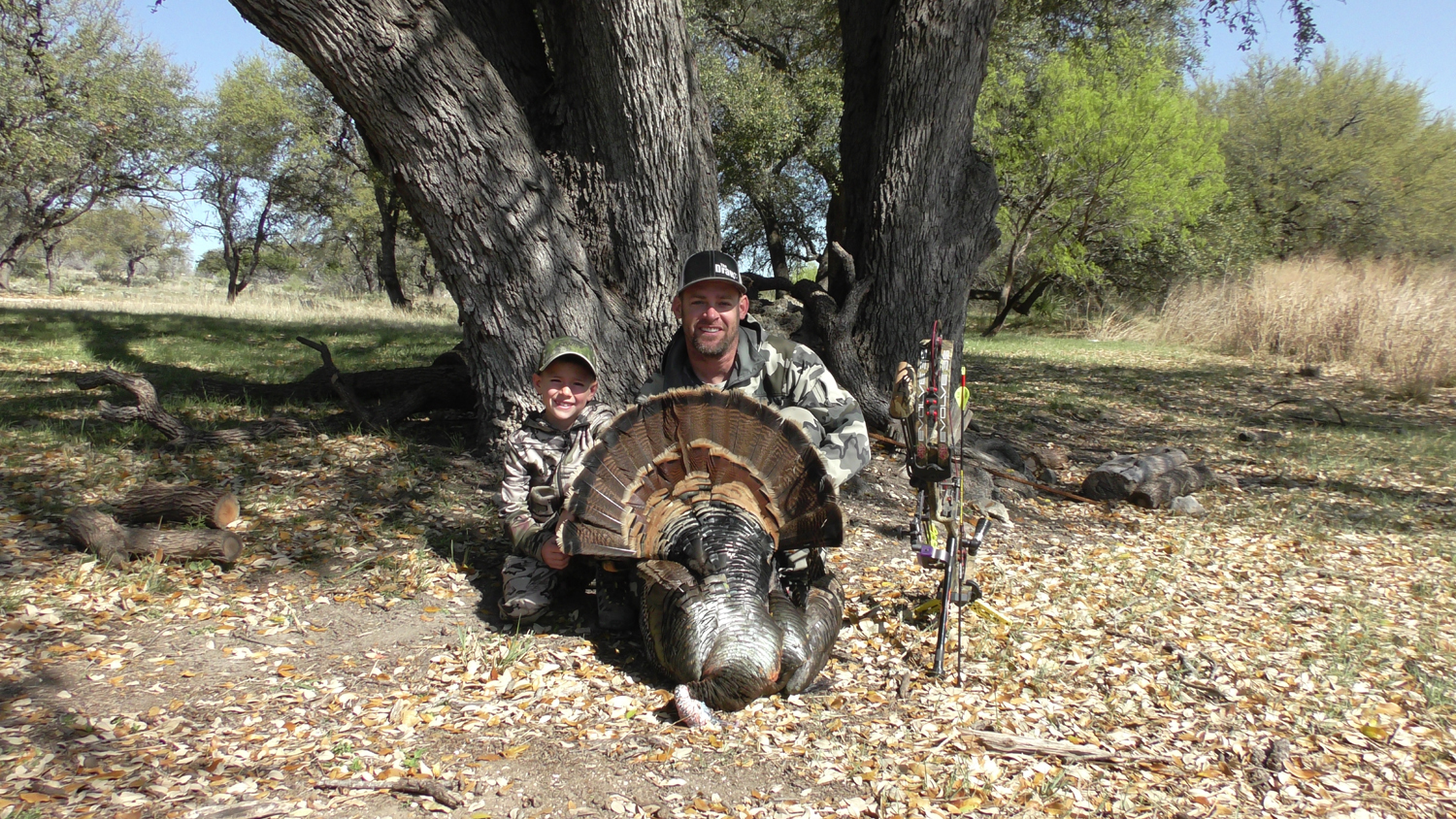
As turkey season winds down, the game changes. The gobblers that remain are educated, pressured, and often silent. Late-season turkey hunting is a challenge, but it’s also an opportunity to test your skills and adapt to smarter, more cautious birds. If you’re looking to tag a tom in the final weeks, you’ll need a different approach than you used at the start of the season. Here’s how to outsmart a wary gobbler when the season is nearing its end.
1. Understand Late-Season Turkey Behavior
By the time the late season arrives, turkeys have been called to, stalked, and hunted relentlessly. As a result, their behavior changes:
- Less Gobbling: After weeks of hunting pressure, toms become quieter, making it harder to locate them. They still strut and display, but they’re often reluctant to respond to calls.
- Hens Are Nesting: Earlier in the season, gobblers are surrounded by hens. By late season, most hens are nesting, leaving toms alone and more willing to seek company—but also more cautious.
- More Nocturnal Movement: Some birds may become more active early in the morning or late in the evening to avoid hunters.
Knowing these behavioral shifts is key to adjusting your strategy.
2. Adjust Your Calling Strategy
Overcalling in the late season can work against you. Gobblers have heard every type of call and have likely been spooked by hunters using them. Instead, use these tactics:
- Tone It Down: Soft yelps, clucks, and purrs can be more effective than aggressive calling. Use a slate or mouth call to sound more natural.
- Play Hard to Get: Sometimes, calling once and then going silent can make a gobbler curious. If he thinks a hen is losing interest, he may come looking.
- Use a Different Call: If you’ve been using a box call all season, switch to a diaphragm or slate call to sound different from what turkeys have been hearing.
If a gobbler responds but hangs up out of range, resist the urge to call more—he may eventually close the distance if he doesn’t sense danger.
3. Find the Right Setup
In the late season, location is everything. Toms are less likely to come charging in, so positioning yourself correctly increases your odds.
- Hunt Near Nesting Areas: Hens often nest in thick cover near open fields. Gobblers will cruise these areas looking for late breeders.
- Set Up Along Travel Routes: By late season, toms follow predictable patterns. Scouting where they move throughout the day can put you in the perfect ambush spot.
- Use Natural Cover: Wary gobblers scan for movement. Set up against a large tree or use natural vegetation for concealment.
If a gobbler is being especially stubborn, moving to a different setup and calling from another location can make him believe a hen is actually on the move.
4. Use Decoys Wisely
Early in the season, aggressive toms rush toward jake or strutter decoys. By late season, decoy use requires a more subtle approach.
- Avoid Aggressive Setups: A dominant tom decoy can scare off cautious birds. A lone hen decoy or a feeding hen is a better choice.
- Use a Laydown Hen: This signals a breeding posture, which can be effective in drawing in lonely gobblers.
- Try No Decoy at All: If gobblers have been pressured, they may avoid decoys altogether. Calling without a visual cue can force a tom to come closer to investigate.
Decoys should be placed in open areas where an approaching gobbler can see them from a distance. If he spots them too late, he might get suspicious and hang up.
5. Hunt Midday and Afternoon
While many hunters focus on early mornings, gobblers often become more active later in the day, especially as hens leave them to nest.
- Mid-Morning Solo Toms: By 10 AM, many gobblers are alone and more willing to respond to calls.
- Afternoon Ambush: If hunting regulations allow, setting up near a feeding area in the afternoon can catch a gobbler heading to roost.
Since these birds are more pressured, be patient—sit tight and let the toms come to you.
6. Stealth and Patience Win the Game
Late-season hunting is a game of patience. Here’s how to avoid making costly mistakes:
- Move Less, Sit More: In the early season, aggressive run-and-gun tactics work well. Late season, staying put in a good setup often pays off more.
- Be Extra Stealthy: Turkeys have been hunted for weeks. Slow, quiet movements and minimal calling are crucial to staying undetected.
- Let the Gobbler Make the Mistake: Instead of forcing an encounter, let the tom commit to approaching you. This increases your chance of a clean shot.
Final Thoughts
Late-season turkey hunting is tough, but it’s also rewarding. Wary gobblers require a mix of patience, strategy, and adaptability. By adjusting your calling, setting up in the right locations, using decoys smartly, and hunting during overlooked times of the day, you can increase your chances of success.
Stay persistent, stay stealthy, and when the moment finally comes, make that last shot count! Happy hunting!
